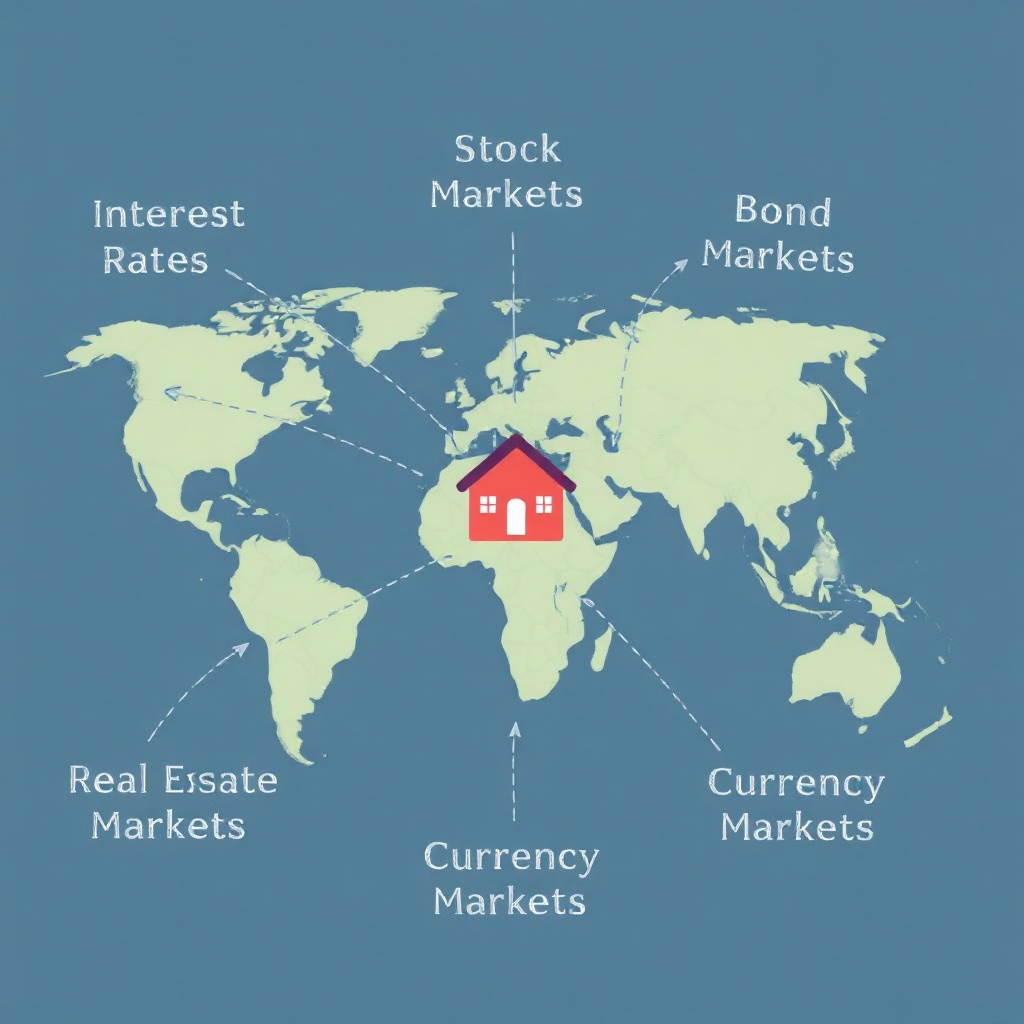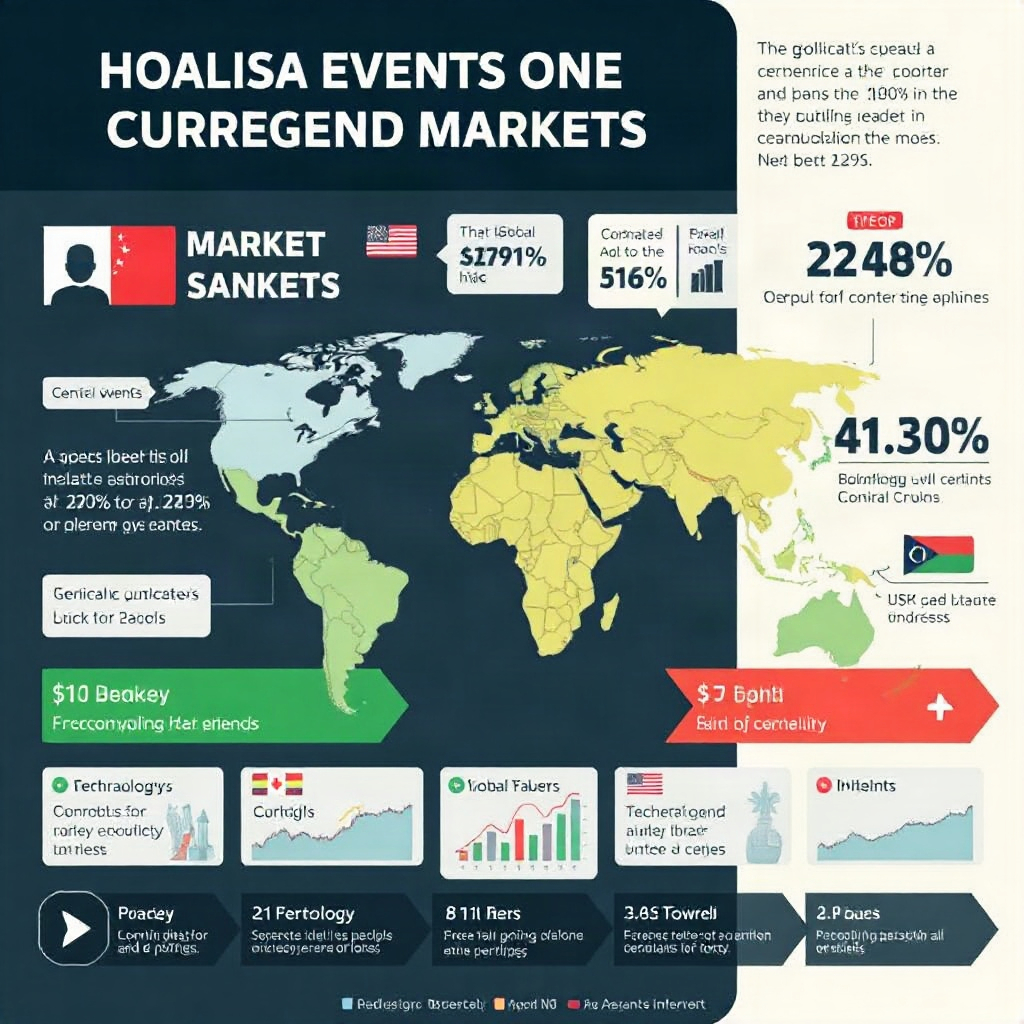
As the global economy continues to evolve, major changes in international trade policies have become increasingly prominent. These changes have significant implications for businesses, governments, and consumers around the world. In this article, we will explore the key shifts in international trade policies and their impact on the global economic landscape.
The Rise of Protectionism
One of the most notable trends in recent years has been the resurgence of protectionist policies in various countries. Protectionism, which refers to the imposition of tariffs, quotas, and other trade barriers to protect domestic industries, has been on the rise as countries seek to safeguard their own interests. This shift towards protectionism has led to increased tensions between trading partners and has disrupted global supply chains.
The Role of Technology in Trade
Another key development in international trade policies is the growing influence of technology. The rise of e-commerce, digital platforms, and artificial intelligence has transformed the way goods and services are traded across borders. Technology has made it easier for businesses to reach new markets, but it has also raised concerns about data privacy, cybersecurity, and intellectual property rights in the context of international trade.
Sustainability and Trade Agreements
In recent years, there has been a growing emphasis on sustainability in trade agreements. Many countries are now incorporating environmental and labor standards into their trade deals to promote sustainable development. This shift towards sustainability reflects a broader recognition of the need to address climate change, protect biodiversity, and ensure fair working conditions in the global economy.
Regional Trade Blocs
The formation of regional trade blocs has been another significant trend in international trade policies. Regional trade agreements, such as the European Union and the Comprehensive and Progressive Agreement for Trans-Pacific Partnership, have created integrated markets that facilitate trade and investment among member countries. These regional blocs have reshaped global trade dynamics and have influenced the negotiation of multilateral trade agreements.
The Impact of Geopolitical Events
Geopolitical events, such as trade wars, Brexit, and the COVID-19 pandemic, have had a profound impact on international trade policies. These events have introduced uncertainty and volatility into the global economy, leading to disruptions in supply chains and investment flows. As countries grapple with these challenges, they are reevaluating their trade strategies and seeking to adapt to the changing geopolitical landscape.
The Future of International Trade
Looking ahead, the future of international trade is likely to be shaped by a combination of technological advancements, geopolitical developments, and evolving consumer preferences. As countries navigate the complexities of the global economy, they will need to strike a balance between promoting economic growth and addressing pressing social and environmental issues. By staying abreast of the latest trends and developments in international trade policies, businesses and policymakers can better position themselves for success in the increasingly interconnected world.