As the demographics of a country undergo significant shifts, the size and skills of its workforce are also inevitably affected. This article will delve into the various ways in which demographic change impacts the composition of the workforce and the skills that are in demand in the labor market.
The Impact of Aging Population
One of the key factors influencing the size and skills of the workforce is the aging population. As the population ages, there is a decrease in the number of working-age individuals, leading to a potential shortage of skilled workers in certain industries. This demographic shift necessitates a focus on upskilling and reskilling programs to ensure that the workforce remains competitive and adaptable to changing market demands.
The Role of Immigration
Immigration plays a crucial role in shaping the size and skills of the workforce. In countries with declining birth rates and aging populations, immigrants often fill essential gaps in the labor market. However, it is essential to consider the integration of immigrants into the workforce, including language training, cultural sensitivity, and recognition of foreign qualifications to fully harness their skills and potential.
Technological Advancements and Automation
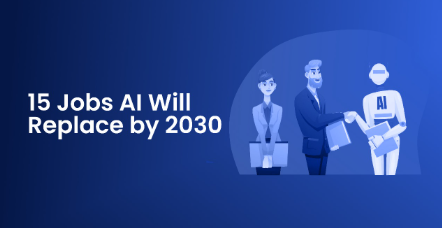
Advancements in technology and the rise of automation have reshaped the skills required in the workforce. As certain tasks become automated, there is a growing demand for workers with advanced technological skills, such as coding, data analysis, and artificial intelligence. It is essential for individuals to continuously adapt and acquire new skills to remain relevant in an increasingly automated world.
Gender Dynamics in the Workforce
Gender dynamics also play a significant role in shaping the size and skills of the workforce. Historically, certain industries have been dominated by one gender, leading to imbalances in the workforce. Initiatives promoting gender diversity and inclusion are essential to ensure a more balanced and skilled workforce that leverages the talents and perspectives of all individuals.
Education and Training Programs
The availability of quality education and training programs is crucial in developing a skilled workforce. Investment in education, vocational training, and lifelong learning opportunities is essential to equip individuals with the skills needed to succeed in a rapidly changing labor market. Governments, businesses, and educational institutions must collaborate to ensure that educational programs are aligned with industry needs.
Conclusion
In conclusion, demographic change has a profound impact on the size and skills of the workforce. By addressing the challenges and opportunities presented by demographic shifts, countries can build a more resilient and adaptable workforce that is prepared for the demands of a dynamic global economy. It is essential to prioritize investments in education, training, and upskilling initiatives to ensure that individuals are equipped with the skills needed to thrive in an ever-evolving labor market.