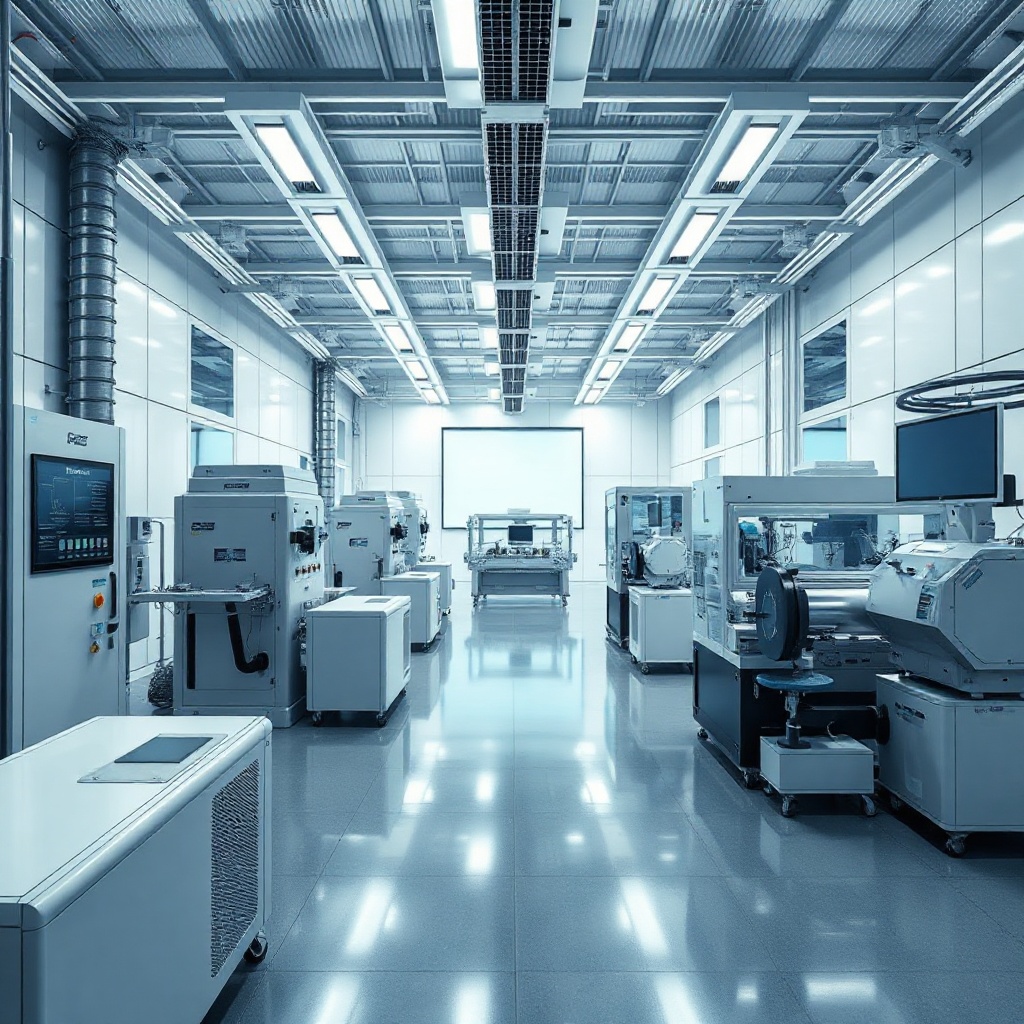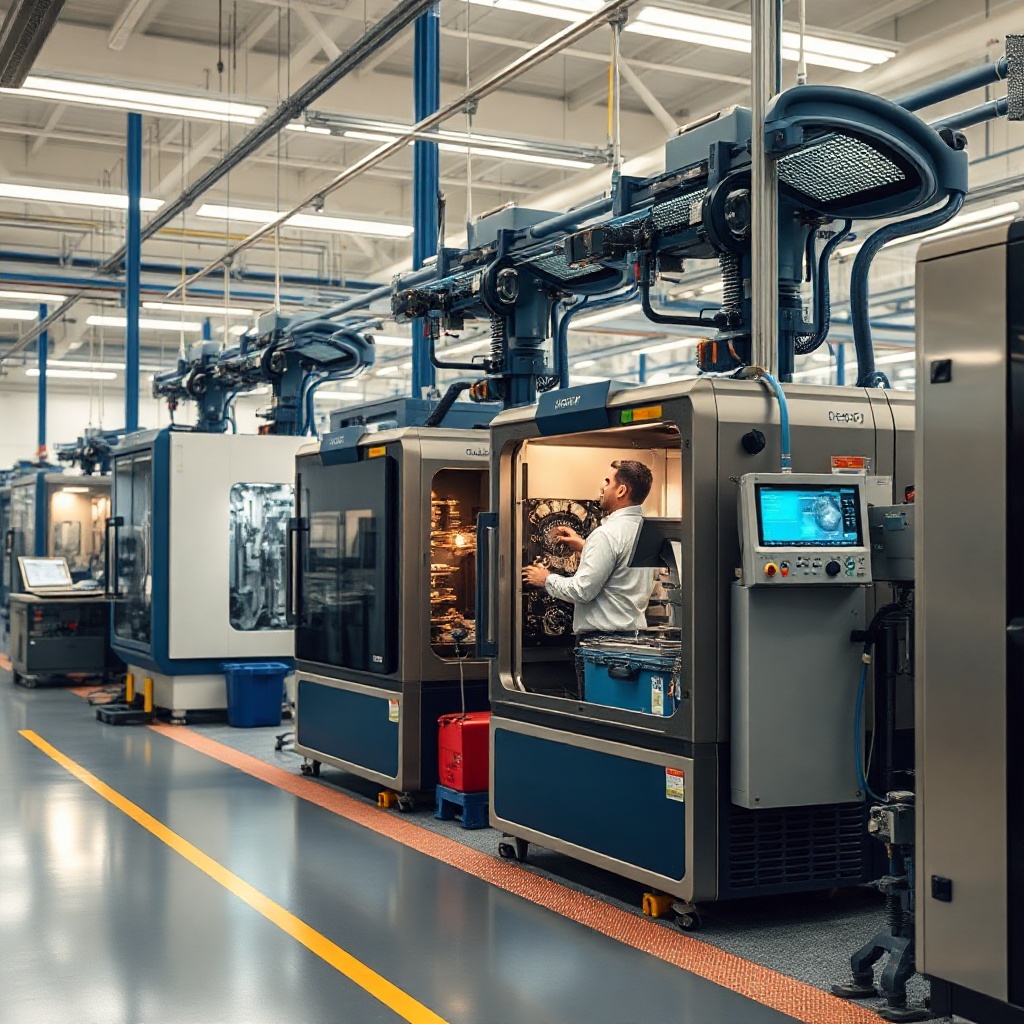
The semiconductor industry plays a crucial role in today’s global markets, with chip manufacturing being at the forefront of technological advancements. As demand for electronic devices continues to rise, the importance of chip manufacturing becomes more evident than ever. In this article, we will explore why chip manufacturing matters to global markets and how it impacts various industries worldwide.
The Evolution of Chip Manufacturing
Chip manufacturing has come a long way since its inception, with continuous advancements in technology driving innovation in this field. From the early days of vacuum tubes to the modern era of integrated circuits, the evolution of chip manufacturing has been nothing short of remarkable. Understanding this evolution is essential to grasp the significance of chip manufacturing in today’s global economy.
Key Players in the Semiconductor Industry
The semiconductor industry is dominated by a few key players who hold significant market share and influence over technological developments. Companies like Intel, Samsung, and TSMC are at the forefront of chip manufacturing, constantly pushing the boundaries of innovation. By understanding the role of these key players, we can gain insights into the dynamics of the semiconductor industry and its impact on global markets.
Impact on Consumer Electronics
Consumer electronics rely heavily on chip manufacturing, with virtually all electronic devices containing some form of semiconductor technology. From smartphones to laptops, smart home devices to automotive systems, chips play a vital role in powering these devices. The constant demand for smaller, faster, and more efficient chips drives innovation in the consumer electronics sector, shaping the market landscape.
Influence on Automotive Industry
The automotive industry is undergoing a transformation, with chip manufacturing playing a pivotal role in the development of next-generation vehicles. Advanced driver-assistance systems, autonomous driving technologies, and in-car entertainment systems all rely on semiconductor technology. The integration of chips into vehicles is reshaping the automotive industry and driving innovation in transportation.
Implications for Healthcare Sector
In the healthcare sector, chip manufacturing is revolutionizing medical devices, diagnostics, and treatment methods. From wearable health monitors to diagnostic imaging equipment, semiconductor technology is enabling advancements in healthcare delivery. The development of personalized medicine and precision healthcare is made possible through the integration of chips into medical devices, showcasing the impact of chip manufacturing on the healthcare sector.
Global Supply Chain Challenges
The global semiconductor supply chain faces challenges such as supply shortages, geopolitical tensions, and technological complexities. The interconnected nature of the semiconductor industry means that disruptions in one part of the supply chain can have widespread effects on global markets. Understanding these challenges is crucial for stakeholders in the semiconductor industry to navigate the complex landscape of chip manufacturing.
Future Trends and Innovations
Looking ahead, the future of chip manufacturing holds exciting possibilities with emerging technologies like artificial intelligence, 5G connectivity, and quantum computing driving innovation in the industry. The development of more efficient, powerful, and sustainable chips will shape the future of global markets and pave the way for new technological advancements. Keeping a pulse on these future trends and innovations is essential for staying ahead in the ever-evolving semiconductor industry.