In today’s fast-paced business world, having a clear and concise mission statement is essential for guiding your organization towards success. However, simply having a mission statement is not enough. To truly drive your business forward, you need to turn that mission statement into strategic priorities that will shape your daily operations and decision-making processes. In this blog post, we will explore seven key steps to help you effectively translate your mission statement into actionable strategic priorities.
Defining Your Mission Statement
The first step in turning your mission statement into strategic priorities is to clearly define what your mission statement means to your organization. This involves breaking down the statement into its core components and identifying the key values and objectives that it represents. By gaining a deep understanding of your mission statement, you can begin to align your strategic priorities with its overarching goals.
Conducting a SWOT Analysis
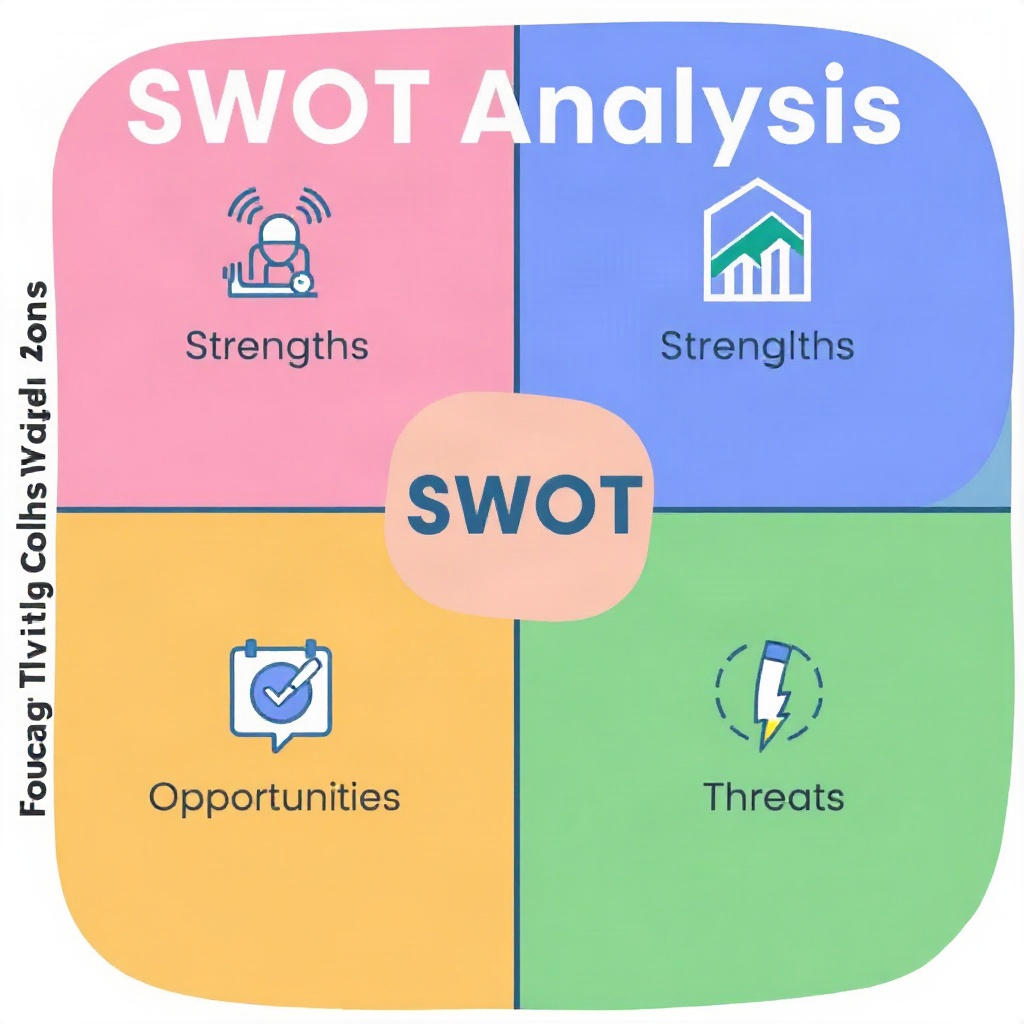
Once you have a solid grasp of your mission statement, the next step is to conduct a SWOT analysis to identify your organization’s strengths, weaknesses, opportunities, and threats. This analysis will help you pinpoint areas where your strategic priorities need to focus in order to capitalize on your strengths and opportunities while mitigating your weaknesses and threats.
Prioritizing Your Strategic Goals
With a clear understanding of your mission statement and the results of your SWOT analysis, it’s time to prioritize your strategic goals. This involves identifying the most critical objectives that will drive your organization towards fulfilling its mission and achieving long-term success. By prioritizing your goals, you can ensure that your strategic priorities are aligned with your overarching mission.
Developing Key Performance Indicators KPIs
To monitor the progress of your strategic priorities, it’s essential to develop key performance indicators (KPIs) that will help you track the success of your initiatives. These KPIs should be directly linked to your strategic goals and provide measurable data that indicates whether or not you are on track to achieving your mission. By establishing clear KPIs, you can stay accountable to your strategic priorities.
Assigning Responsibilities and Deadlines
In order to effectively implement your strategic priorities, it’s crucial to assign responsibilities and deadlines to ensure that progress is made in a timely manner. By clearly defining who is responsible for each initiative and setting deadlines for completion, you can create accountability within your organization and drive momentum towards achieving your mission.
Communicating Your Strategic Priorities
Effective communication is key to ensuring that your strategic priorities are understood and embraced by all members of your organization. By clearly articulating your priorities, sharing progress updates, and soliciting feedback from stakeholders, you can foster a culture of alignment and collaboration that supports the achievement of your mission.
Monitoring and Adjusting Your Strategic Plan
Finally, it’s important to regularly monitor and adjust your strategic plan to ensure that it remains aligned with your mission and adapts to changing market conditions. By reviewing your progress, identifying areas for improvement, and making necessary adjustments, you can stay agile and responsive to the evolving needs of your organization.