A market correction is a term often heard in financial circles, but what exactly does it mean? In this article, we will explore the concept of a market correction and discuss how it differs from a bear market.
What Is a Market Correction
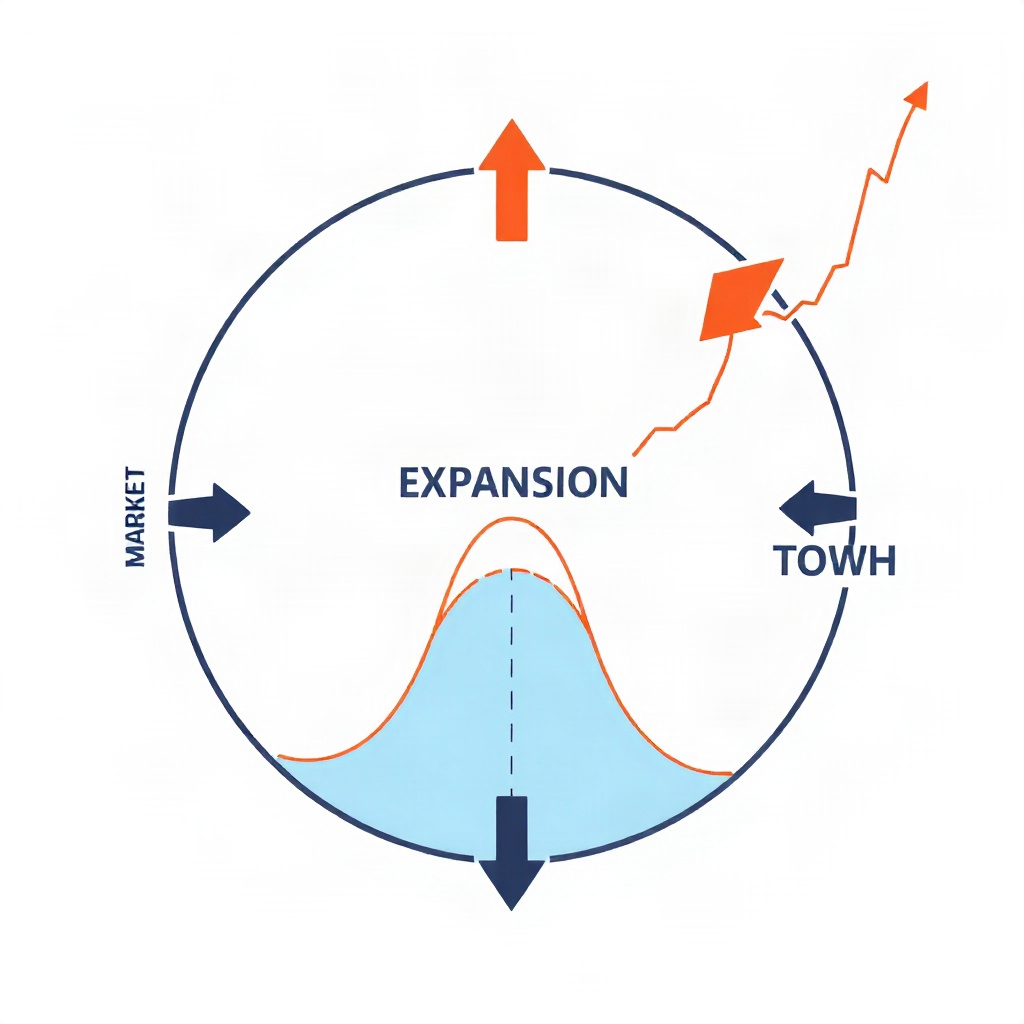
A market correction refers to a temporary decline in the value of a stock, bond, commodity, or index. It is a normal part of the market cycle and is usually characterized by a drop of 10% or more from recent highs. Market corrections can be triggered by a variety of factors, such as economic indicators, geopolitical events, or investor sentiment.
During a market correction, investors may panic and sell off their investments, leading to further declines in prices. However, it’s important to note that market corrections are usually short-lived and can present buying opportunities for savvy investors.
How It Differs From a Bear Market
While a market correction is a temporary decline in the market, a bear market is a more prolonged period of falling prices. A bear market is typically defined as a drop of 20% or more from recent highs and can last for several months or even years.
Unlike a market correction, a bear market is usually accompanied by a general sense of pessimism and a lack of confidence in the market. Investors may become more risk-averse and move their investments into safer assets, such as bonds or cash.
The Causes of Market Corrections
Market corrections can be caused by a variety of factors, both internal and external. Internal factors may include changes in company earnings, industry trends, or market sentiment. External factors, on the other hand, may include geopolitical events, economic indicators, or changes in government policy.
It’s important for investors to understand the underlying causes of a market correction in order to make informed decisions about their investments. By staying informed and keeping a close eye on market trends, investors can navigate market corrections more effectively.
How to Navigate a Market Correction
Navigating a market correction can be challenging, but there are a few strategies that investors can use to weather the storm. One approach is to stay diversified and spread investments across different asset classes and industries. This can help reduce risk and protect against losses in a downturn.
Another strategy is to stay disciplined and avoid making impulsive decisions based on short-term market fluctuations. By sticking to a long-term investment plan and focusing on fundamental analysis, investors can ride out market corrections and emerge stronger on the other side.
The Psychology of a Market Correction
The psychology of a market correction is fascinating and can offer valuable insights into investor behavior. During a correction, fear and uncertainty often drive market movements, leading to heightened volatility and increased trading activity.
Investors may experience a range of emotions during a market correction, from fear and anxiety to greed and overconfidence. Understanding these psychological factors can help investors make more rational decisions and avoid falling victim to common behavioral biases.
Conclusion
In conclusion, a market correction is a normal part of the market cycle and can present buying opportunities for investors. By understanding the causes of market corrections, staying diversified, and remaining disciplined, investors can navigate market downturns with confidence.