In the realm of military strategy, the concepts of Land Power and Sea Power have long been debated and analyzed. Both concepts play a crucial role in shaping the outcome of conflicts and wars throughout history. Understanding the differences and implications of each concept is essential for military planners and policymakers. In this article, we will delve into the nuances of Land Power vs. Sea Power and explore what each concept explains.
Land Power A Strategic Overview
Land Power refers to the military capabilities and resources that a country possesses for operations on land. It involves the use of ground forces, such as infantry, armor, and artillery, to secure and control territory. Land Power is crucial for defending borders, conducting offensive operations, and projecting power inland. Countries with strong Land Power can effectively deter potential threats and maintain sovereignty over their territory.
Sea Power A Strategic Perspective
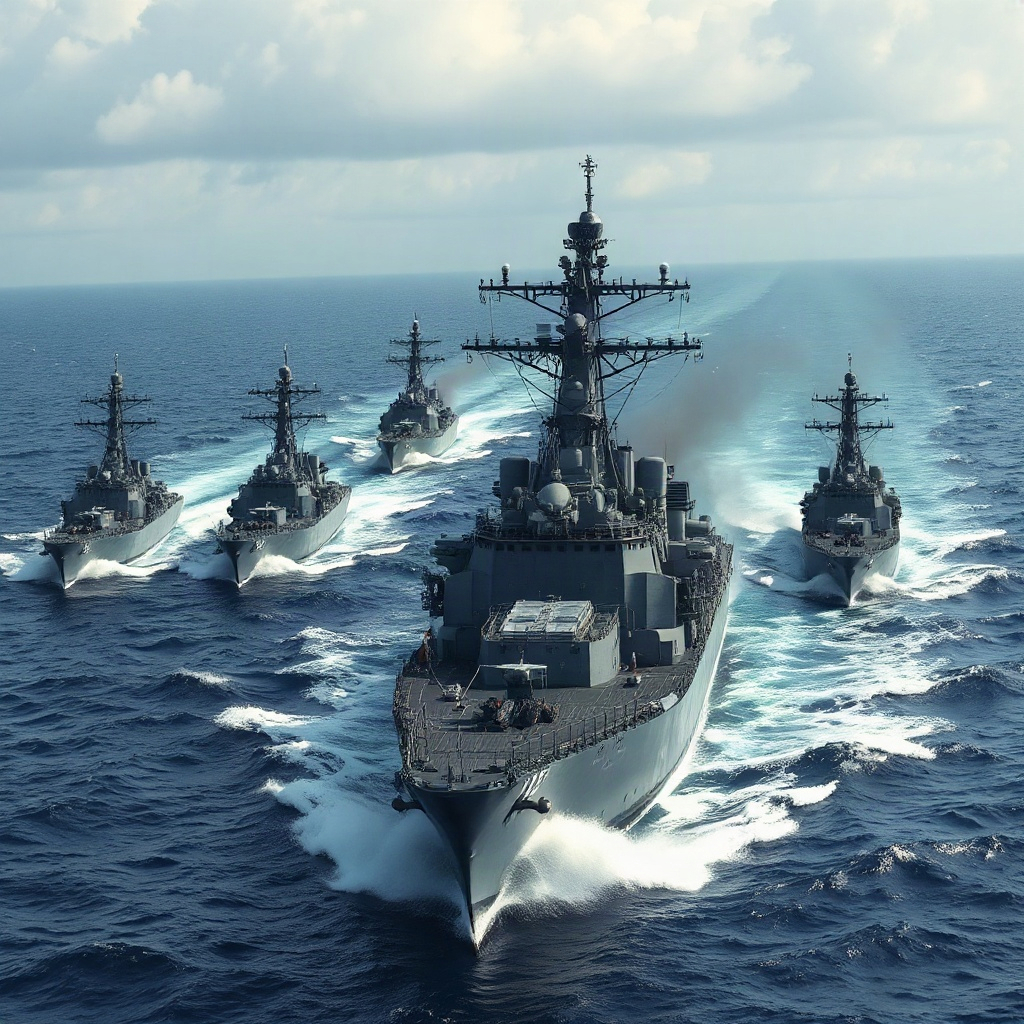
Sea Power, on the other hand, focuses on naval capabilities and the ability to control the seas. Navies play a vital role in protecting maritime trade routes, securing sea lanes, and projecting power across oceans. Sea Power enables countries to influence global affairs, conduct expeditionary operations, and respond to threats in distant waters. A strong navy is essential for maintaining maritime security and safeguarding national interests.
The Interplay between Land Power and Sea Power
While Land Power and Sea Power are distinct concepts, they are interconnected and complementary in military strategy. A country’s ability to project power effectively often relies on a balance between its land and sea forces. For example, a strong navy can support ground operations by providing logistical support, conducting amphibious assaults, and controlling coastal areas. Conversely, a powerful army can protect naval bases, secure strategic land routes, and enhance maritime security.
Modern Challenges and Adaptations
In today’s complex security environment, the dynamics of Land Power and Sea Power are evolving rapidly. Technological advancements, asymmetric threats, and hybrid warfare tactics are reshaping the traditional notions of military power. Countries are investing in cyber capabilities, space assets, and unmanned systems to enhance their overall combat effectiveness. The integration of land, sea, air, and space forces is becoming increasingly important for achieving strategic objectives in modern conflicts.
Future Trends and Implications
As we look to the future, the competition between Land Power and Sea Power will continue to shape global security dynamics. The rise of great power competition, regional conflicts, and non-state actors pose significant challenges for military planners. Maintaining a balanced force posture, investing in innovative technologies, and adapting to emerging threats will be critical for ensuring national security. The ability to leverage both land and sea capabilities effectively will be essential for addressing the diverse security challenges of the 21st century.
Conclusion Balancing Land Power and Sea Power
In conclusion, the concepts of Land Power and Sea Power offer valuable insights into the strategic dimensions of military power. Understanding the roles, capabilities, and limitations of land and sea forces is essential for devising effective defense strategies and achieving national security objectives. By balancing and integrating land and sea capabilities, countries can enhance their overall military effectiveness and safeguard their interests in an increasingly complex and unpredictable world.