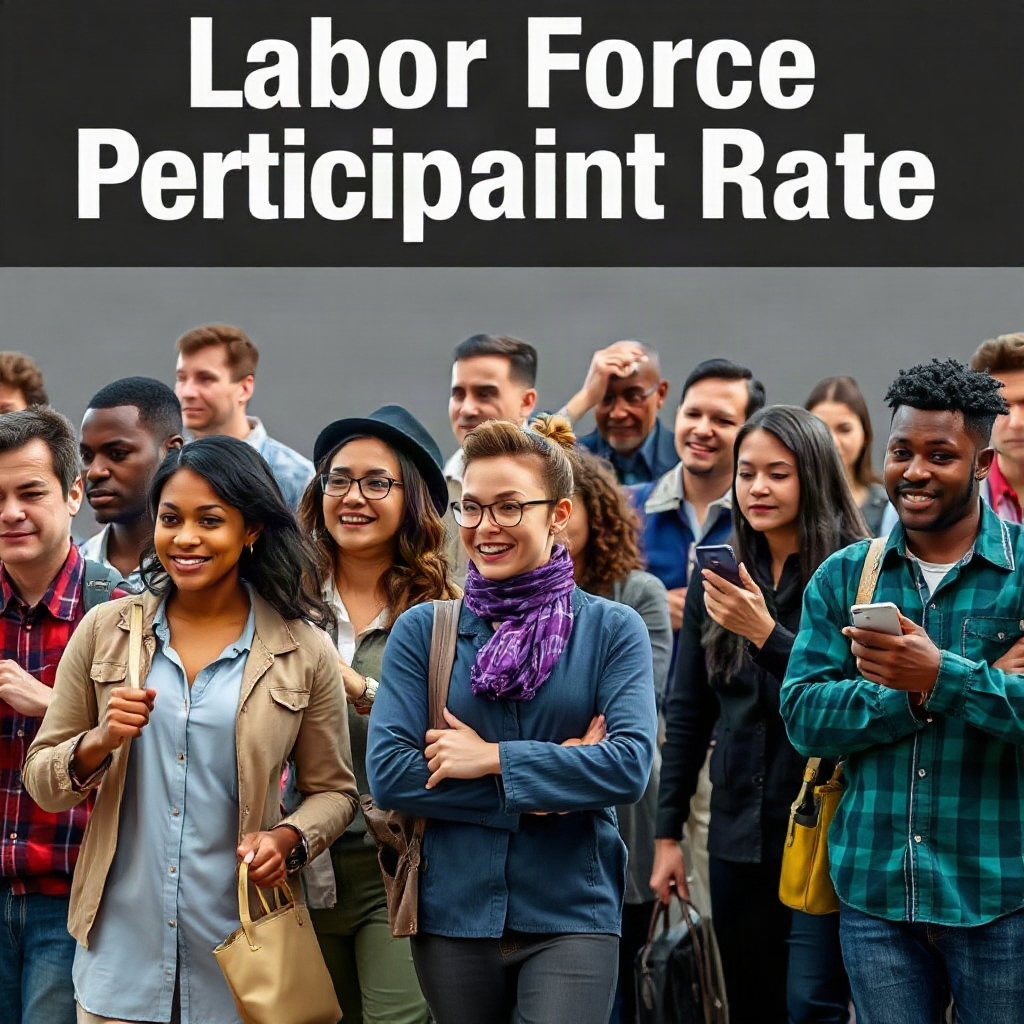
The Labor Force Participation Rate is a crucial economic indicator that often goes overlooked in favor of the more commonly cited Unemployment Rate. While the Unemployment Rate provides insight into the percentage of unemployed individuals actively seeking work within the labor force, the Labor Force Participation Rate offers a broader view of the overall health of the labor market.
Understanding the Labor Force Participation Rate
The Labor Force Participation Rate represents the percentage of working-age individuals who are either employed or actively seeking employment. It includes both employed individuals and those classified as unemployed but actively looking for work. This metric is essential for assessing the true extent of labor market engagement beyond just the number of unemployed individuals.
Factors Influencing Labor Force Participation
Several factors can influence the Labor Force Participation Rate, including demographic trends, economic conditions, education levels, and cultural norms. Changes in any of these factors can impact the overall participation rate, providing valuable insights into the dynamics of the labor market.
Implications of a Low Labor Force Participation Rate
A low Labor Force Participation Rate can indicate underlying issues within the labor market, such as discouraged workers dropping out of the workforce or structural barriers preventing certain groups from participating fully. Understanding the reasons behind a low participation rate is crucial for policymakers and businesses seeking to address these challenges effectively.
Comparing the Labor Force Participation Rate and Unemployment Rate
While the Unemployment Rate is an important metric for assessing the immediate availability of labor, it does not provide a complete picture of labor market dynamics. By comparing the Labor Force Participation Rate and the Unemployment Rate, analysts can gain a more comprehensive understanding of the overall health and vitality of the labor market.
Policy Implications and Recommendations
Policymakers can use insights from the Labor Force Participation Rate to design targeted interventions aimed at increasing labor market participation among specific groups or addressing structural barriers to employment. By focusing on increasing participation rather than just reducing unemployment, policymakers can create more inclusive and sustainable labor markets.
The Future of Labor Force Participation
As the labor market continues to evolve with technological advancements and demographic shifts, monitoring the Labor Force Participation Rate will become increasingly important. By understanding the nuances of labor force engagement beyond just unemployment figures, policymakers and businesses can make informed decisions that promote economic growth and stability.