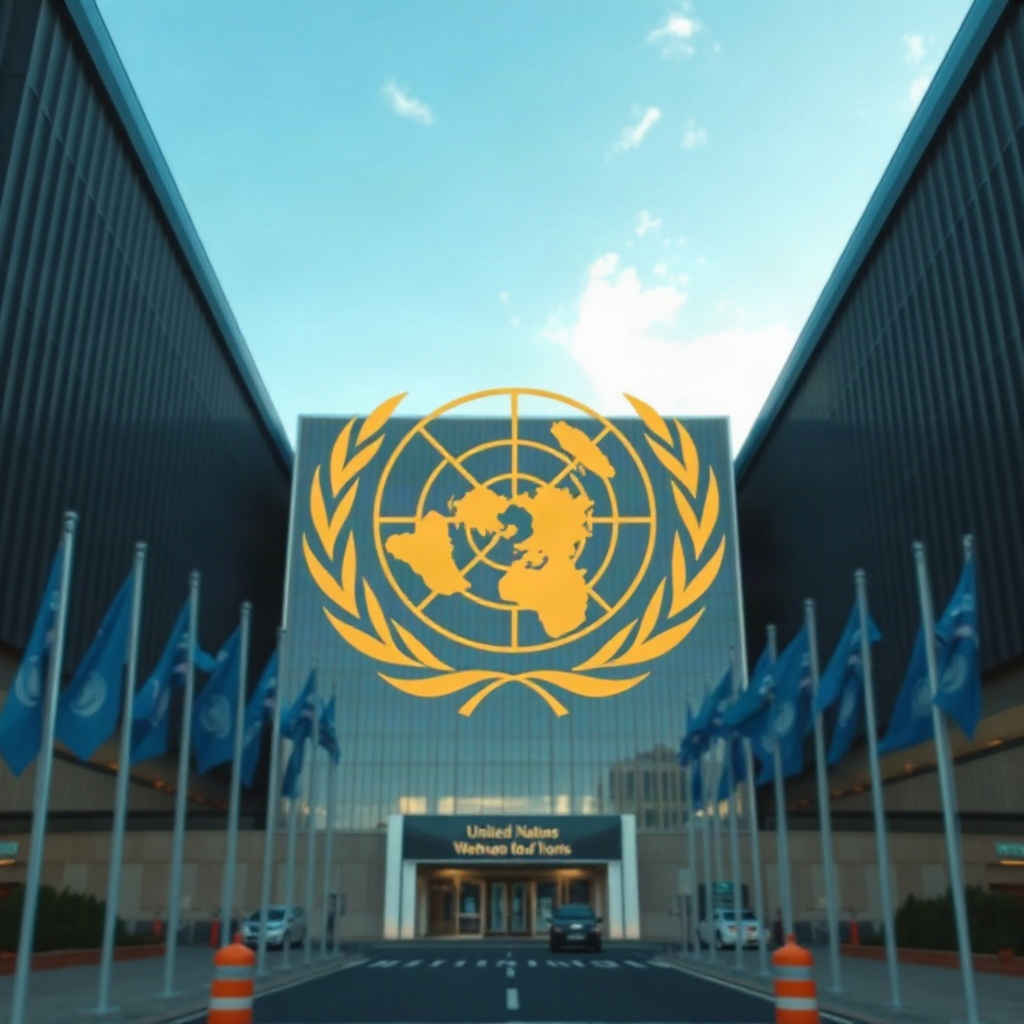
The United Nations (UN) plays a crucial role in shaping global affairs and promoting international cooperation. As an intergovernmental organization established in 1945, the UN has been instrumental in addressing pressing issues such as peace and security, human rights, and sustainable development. In this article, we will explore the various ways in which the UN impacts global affairs and the significance of its role on the world stage.
The History and Purpose of the United Nations
The United Nations was founded in the aftermath of World War II with the primary goal of maintaining international peace and security. Through its charter, the UN seeks to promote cooperation among nations, protect human rights, and advance social progress. Over the years, the UN has expanded its focus to include a wide range of issues, from environmental sustainability to global health.
The Structure of the United Nations
The UN is composed of several main bodies, including the General Assembly, the Security Council, the Economic and Social Council, the Secretariat, and specialized agencies such as the World Health Organization and UNESCO. Each of these bodies has specific functions and responsibilities aimed at achieving the goals of the organization.
The Role of the Security Council
One of the most prominent roles of the United Nations is played by the Security Council, which is responsible for maintaining international peace and security. The Security Council has the authority to impose sanctions, authorize military intervention, and establish peacekeeping missions in conflict-affected regions. However, the Security Council’s effectiveness has been a subject of debate, particularly due to the veto power held by its permanent members.
Human Rights and the United Nations
The promotion and protection of human rights are central to the mission of the United Nations. The UN has adopted several key documents, such as the Universal Declaration of Human Rights, to set international standards for human rights protection. Through its various agencies and mechanisms, the UN works to address violations of human rights and promote a culture of respect for human dignity.
Sustainable Development Goals and the UN Agenda
In 2015, the UN adopted the 2030 Agenda for Sustainable Development, which includes 17 Sustainable Development Goals (SDGs) aimed at eradicating poverty, promoting environmental sustainability, and ensuring inclusive development for all. The UN plays a key role in monitoring progress towards these goals and mobilizing resources to support sustainable development efforts globally.
Challenges and Opportunities for the United Nations
Despite its significant achievements, the United Nations faces several challenges in fulfilling its mandate, including resource constraints, geopolitical tensions, and the rise of nationalism. However, the UN also presents opportunities for collaboration and collective action on pressing global issues, from climate change to humanitarian crises.
In conclusion, the United Nations remains a vital actor in global affairs, working towards a more peaceful, just, and sustainable world. By upholding its principles of cooperation and multilateralism, the UN continues to play a crucial role in addressing the complex challenges facing the international community.