In an increasingly interconnected world, the terms “foreign policy” and “geopolitics” are often used interchangeably, yet they embody distinct concepts that are pivotal to understanding international relations. Foreign policy refers specifically to a country’s strategies in dealing with other nations, encompassing a range of diplomatic, military, and economic actions. In contrast, geopolitics examines the influence of geographical factors on international politics, emphasizing how location, resources, and spatial relationships shape power dynamics. This article aims to delineate the differences between these two critical concepts, exploring their respective roles, interconnections, and implications for global affairs.
Understanding Foreign Policy Definitions and Objectives
Foreign policy is fundamentally a strategic framework through which a nation engages with other states and non-state actors. It encompasses the goals a country aims to achieve in the international arena, such as promoting national security, fostering economic growth, and advancing diplomatic relationships. The formulation of foreign policy is influenced by a myriad of factors, including historical context, domestic political considerations, and the broader international landscape. Countries typically develop their foreign policies through a combination of diplomatic negotiations, military alliances, and trade agreements, which reflect their national interests and priorities. The objectives of foreign policy can vary significantly from one country to another, depending on their geopolitical context and domestic priorities. For example, a nation facing security threats may prioritize military alliances and defense spending, while another nation may focus more on economic cooperation and soft power initiatives.
The Concept of Geopolitics A Broader Perspective
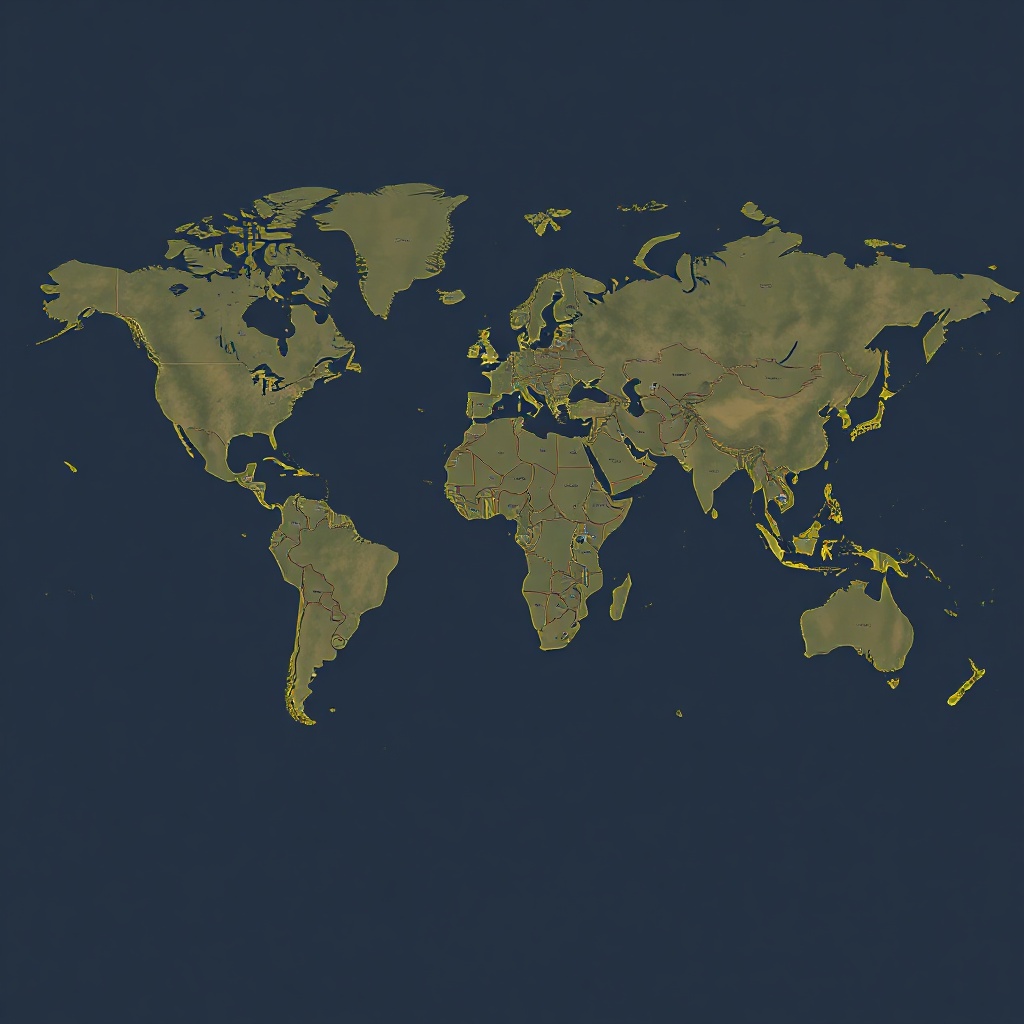
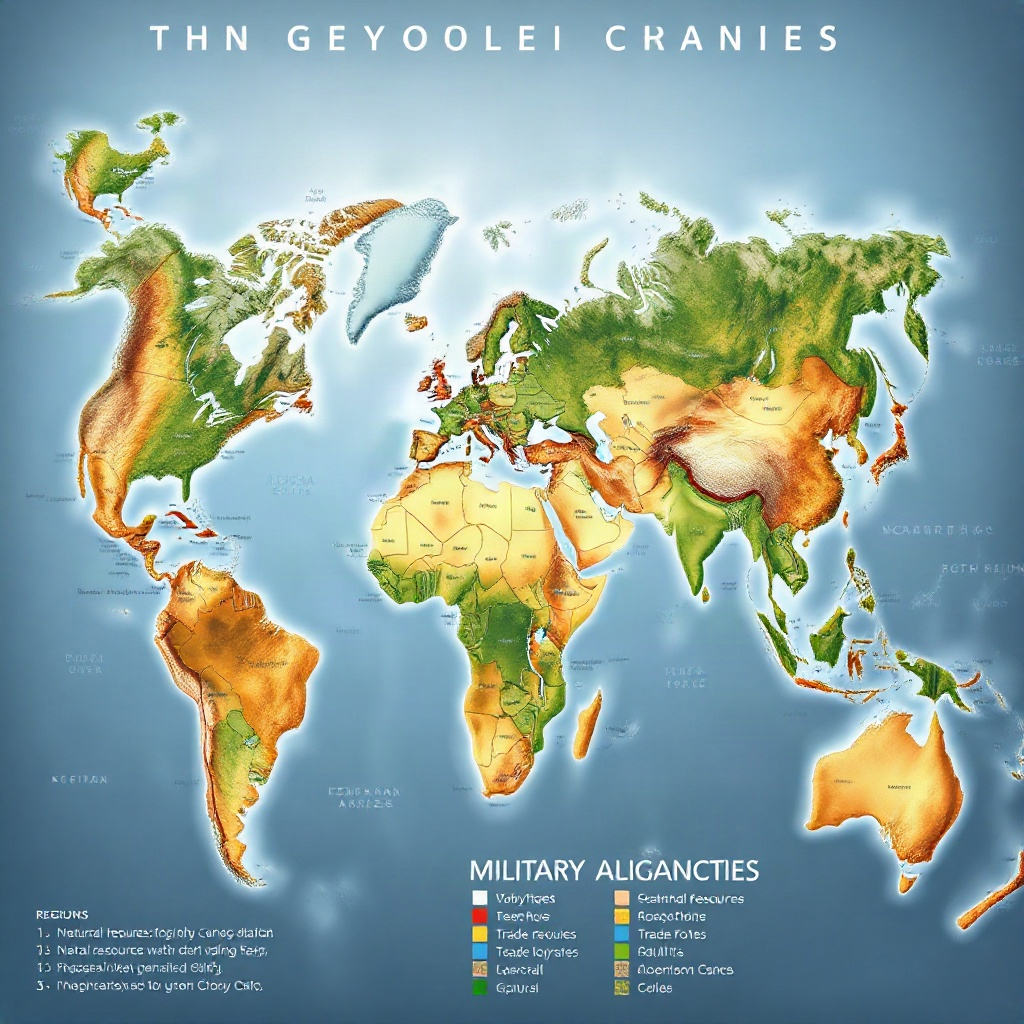
Geopolitics extends beyond the specific actions of individual nations to consider the broader spatial dynamics that influence global power relations. It is primarily concerned with how geographical elements—such as natural resources, topography, and proximity to other states—impact political decisions and strategies. The concept emerged from the recognition that geography plays a crucial role in shaping the capabilities and behaviors of states. Geopolitical analysis often involves examining the interplay between geography and political power, as well as how historical events and cultural factors intersect with spatial dynamics. This perspective helps explain why certain regions become focal points of international conflict or cooperation, as nations vie for control over strategically significant areas. Furthermore, geopolitics encompasses various theoretical frameworks, including classical geopolitics, which emphasizes the importance of territory, and critical geopolitics, which critiques traditional geopolitical narratives.
The Interplay Between Foreign Policy and Geopolitics
While foreign policy and geopolitics are distinct concepts, they are inherently interconnected. A nation’s foreign policy is often shaped by the geopolitical context in which it operates. For instance, a country situated in a resource-rich region may adopt a foreign policy that prioritizes the protection of its natural assets, while a landlocked nation may focus on building alliances to secure trade routes. Additionally, geopolitical considerations can drive foreign policy decisions during crises, such as military interventions or diplomatic negotiations. The interplay between these concepts becomes particularly evident in situations where national interests collide with geographical realities. For example, the ongoing tensions in the South China Sea illustrate how geopolitical factors, including territorial disputes and strategic trade routes, can significantly influence the foreign policies of multiple nations involved in the region.
Case Studies Foreign Policy and Geopolitical Strategies
Examining specific case studies provides valuable insights into how foreign policy and geopolitics manifest in real-world scenarios. One notable example is the U.S. foreign policy approach towards the Middle East, which has been heavily influenced by geopolitical considerations. The region’s abundant oil reserves and strategic location have made it a focal point for U.S. interests, leading to various diplomatic and military initiatives aimed at securing access to resources and maintaining regional stability. Similarly, Russia’s foreign policy in Eastern Europe is deeply rooted in geopolitical concerns, particularly in relation to its historical ties and security interests in neighboring countries. By analyzing such case studies, it becomes evident that the strategies employed by nations are often a reflection of their geopolitical realities, as well as their foreign policy objectives.
The Evolution of Foreign Policy and Geopolitical Thought
The concepts of foreign policy and geopolitics have evolved over time, influenced by changing global dynamics and the emergence of new theoretical perspectives. Historically, foreign policy was often guided by realist principles, emphasizing power and security as primary objectives. However, the end of the Cold War and the rise of globalization have prompted a re-evaluation of these traditional approaches. New paradigms, such as liberalism and constructivism, have emerged, highlighting the importance of international institutions, economic interdependence, and non-state actors in shaping foreign policy. Similarly, geopolitical thought has evolved to incorporate a more nuanced understanding of spatial dynamics, including the impact of technology and global interconnectedness. As the world continues to change, both foreign policy and geopolitical analysis must adapt to address emerging challenges and opportunities.
The Future of Foreign Policy and Geopolitical Interactions
Looking ahead, the relationship between foreign policy and geopolitics will continue to be a critical area of study and practice. As global challenges such as climate change, cybersecurity threats, and geopolitical rivalries intensify, nations will need to navigate complex landscapes to formulate effective foreign policies. Understanding the underlying geopolitical factors will be essential for developing strategies that enhance security, promote cooperation, and address pressing global issues. Furthermore, the increasing role of non-state actors, including multinational corporations and international organizations, will further complicate traditional notions of foreign policy and geopolitics. The future will likely witness an intricate interplay between these concepts, as nations strive to adapt to an evolving international environment characterized by uncertainty and interdependence.