Energy security is a critical aspect of geopolitics that impacts the stability and prosperity of nations around the world. In an era of increasing global competition for energy resources, ensuring a reliable and sustainable energy supply has become a top priority for governments and policymakers. This article will explore why energy security matters in geopolitics and its implications for international relations.
The Role of Energy Security in Geopolitics
Energy security refers to the ability of a country to access and utilize energy resources in a way that is reliable, affordable, and sustainable. In geopolitics, energy security plays a crucial role in shaping the relationships between nations and influencing their foreign policy decisions. Countries that are heavily dependent on energy imports are particularly vulnerable to disruptions in the global energy supply chain, which can have far-reaching economic and political consequences.
Energy Security and National Sovereignty
The quest for energy security is closely linked to the concept of national sovereignty, as countries seek to protect their energy resources from external threats and ensure their independence in energy production. Energy-rich nations often leverage their resources as a source of power and influence in the international arena, using energy diplomacy to advance their strategic interests and forge alliances with other countries.
Geopolitical Implications of Energy Dependence
The geopolitical landscape is shaped by the distribution of energy resources around the world, with some countries wielding significant influence due to their abundance of oil, gas, or renewable energy sources. Energy-rich regions often become battlegrounds for competing interests, leading to conflicts and power struggles that have lasting effects on global security and stability.
Energy Security and Climate Change
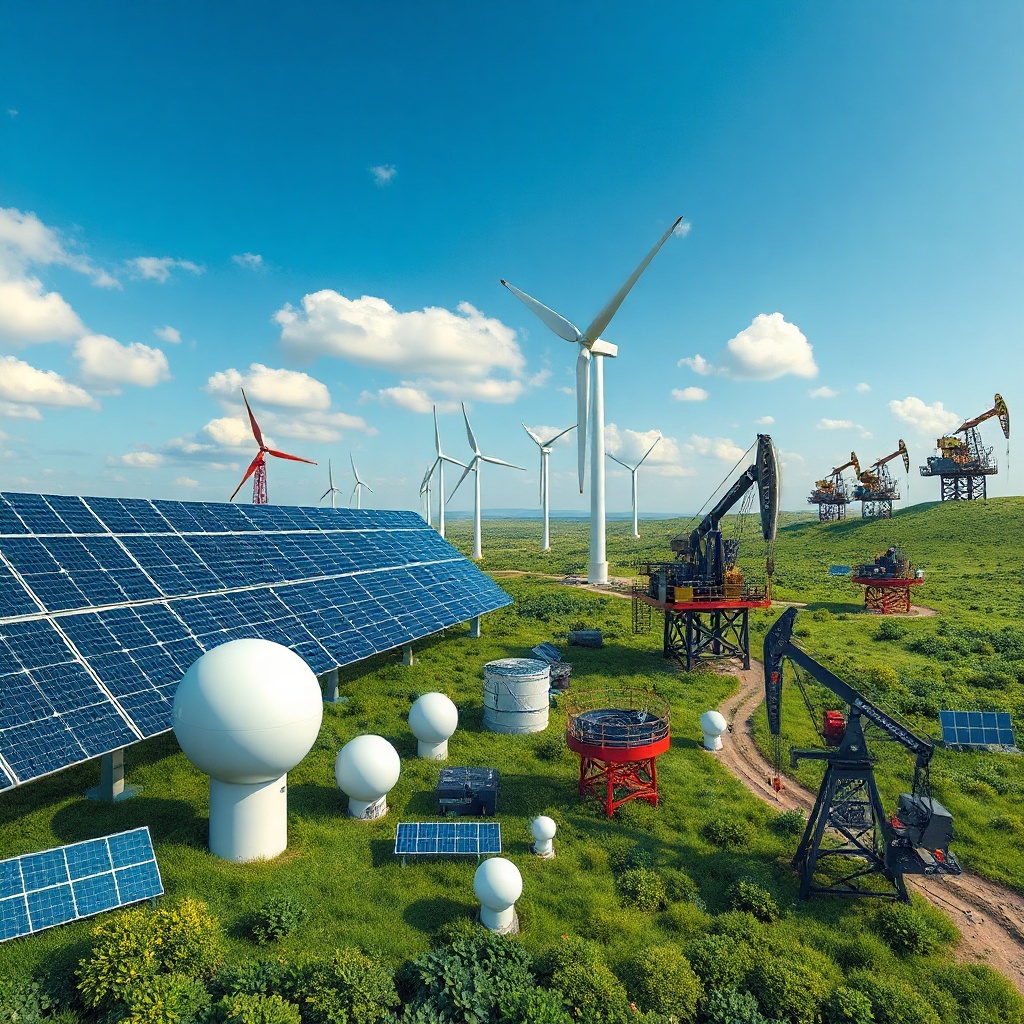
In an era of increasing concern over climate change and environmental sustainability, the issue of energy security is closely intertwined with efforts to transition to a low-carbon economy. Countries are increasingly focused on diversifying their energy mix, investing in renewable energy technologies, and reducing their reliance on fossil fuels to mitigate the impact of climate change and ensure a sustainable future for generations to come.
The Role of International Organizations in Promoting Energy Security
International organizations such as the United Nations, the International Energy Agency, and regional bodies play a crucial role in promoting energy security through cooperation, dialogue, and the development of shared energy policies. By working together to address common challenges and promote sustainable energy practices, countries can enhance their energy security and foster greater stability in the global energy market.
Conclusion
In conclusion, energy security is a complex and multifaceted issue that lies at the intersection of geopolitics, economics, and environmental sustainability. As the world grapples with the challenges of an increasingly interconnected energy landscape, it is imperative for countries to work together to ensure a reliable and sustainable energy supply for future generations. By prioritizing energy security in their foreign policy agendas, nations can promote peace, stability, and prosperity on a global scale.