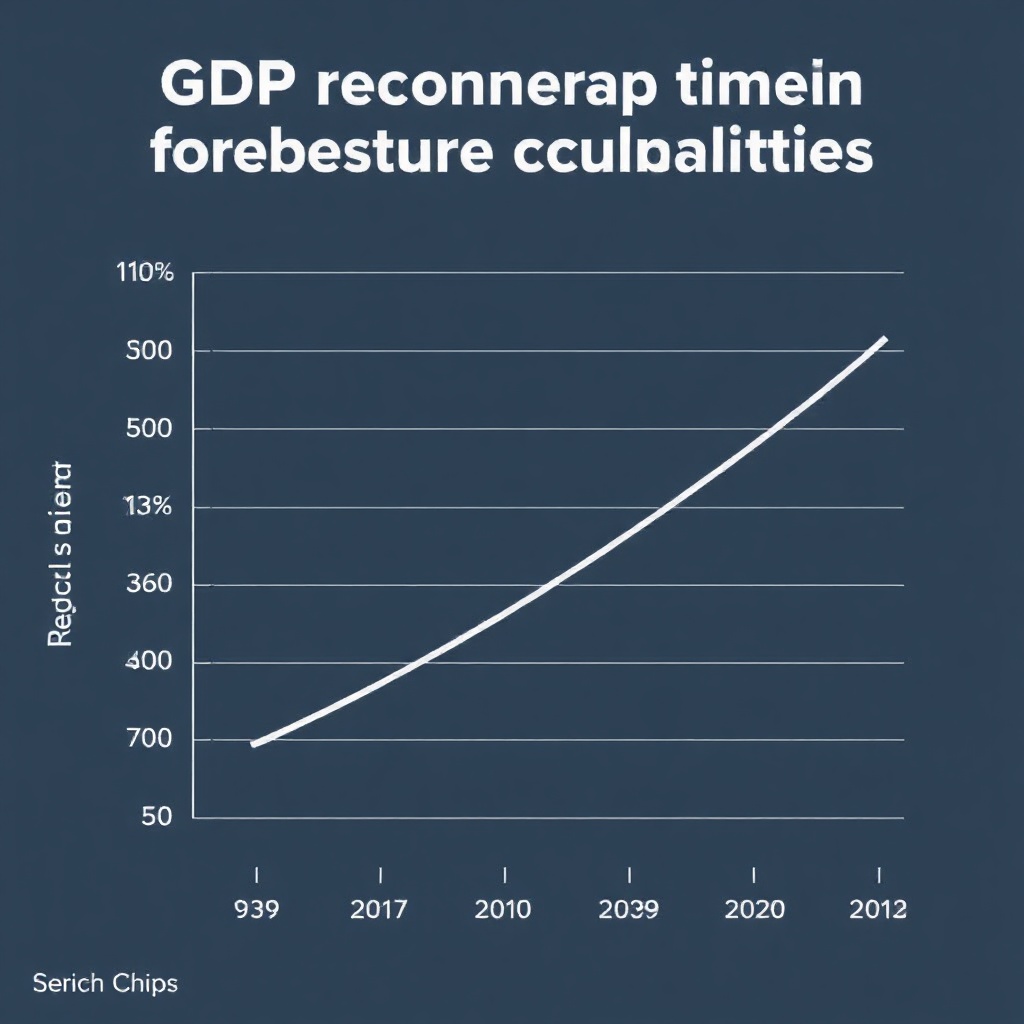
GDP per capita is a commonly used indicator to measure the economic performance and living standards of a country. It represents the total economic output of a country divided by its population, providing an estimate of the average income per person. While GDP per capita can offer valuable insights into the economic well-being of a nation, there are limitations to what it can reveal about actual living standards.
The Difference Between GDP and GDP per Capita
Gross Domestic Product (GDP) is a measure of the total economic output of a country, including goods and services produced within its borders. On the other hand, GDP per capita takes into account the size of the population, giving a more accurate picture of the average income of individuals. While GDP reflects the overall economic activity of a country, GDP per capita provides a more nuanced perspective on the standard of living.
Factors Affecting Living Standards Beyond GDP per Capita
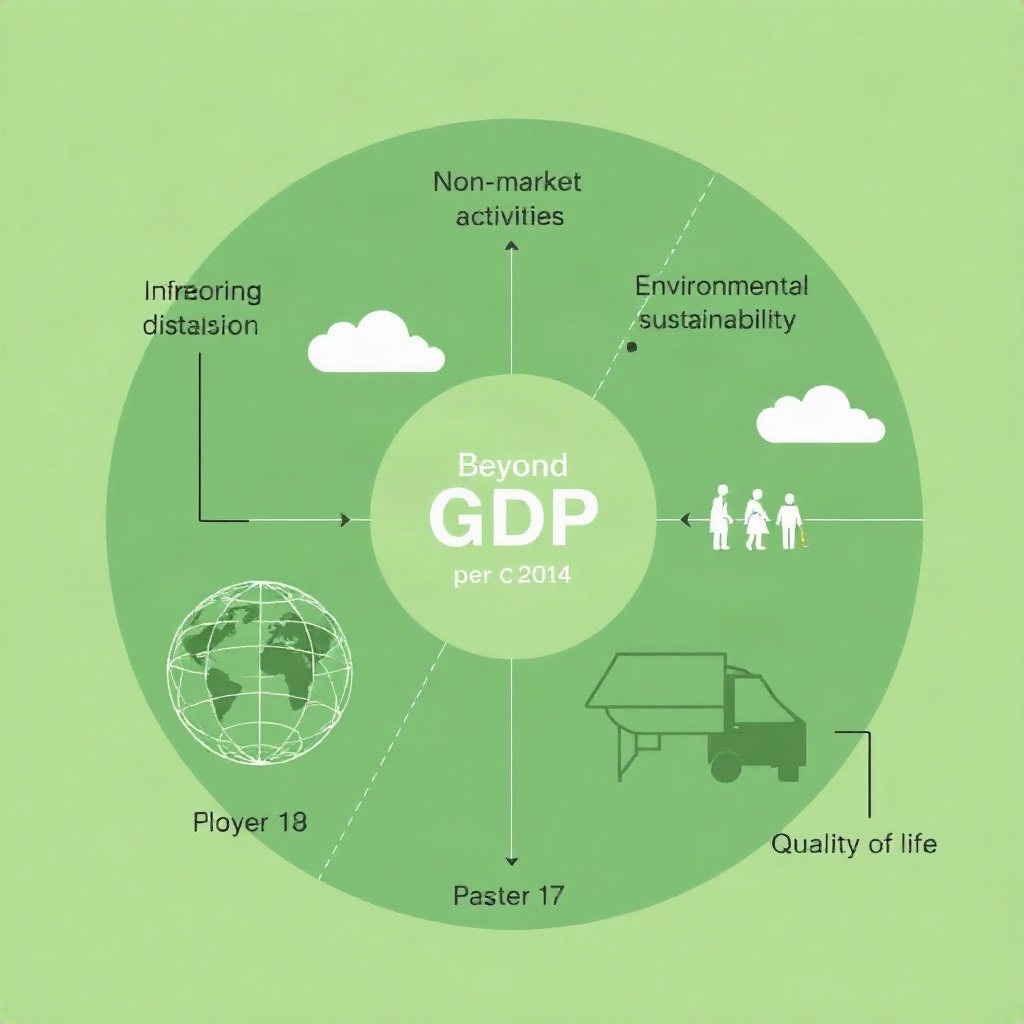
While GDP per capita is an important indicator, it does not capture the full range of factors that contribute to living standards. Quality of life, access to healthcare, education, housing, and environmental conditions are all crucial determinants of well-being that cannot be fully captured by economic output alone. It is essential to consider a holistic approach to measuring living standards beyond just GDP per capita.
Disparities in Income Distribution
One of the limitations of relying solely on GDP per capita is that it does not account for income distribution within a country. Disparities in wealth and income inequality can significantly impact the standard of living for different segments of the population. In some cases, a high GDP per capita may mask deep inequalities and disparities in access to resources and opportunities.
The Impact of Non-Market Activities
GDP per capita primarily focuses on market-based economic activities and may not fully account for non-market activities that contribute to well-being. Unpaid work, such as caregiving, volunteer work, and household chores, plays a significant role in supporting individuals and communities but is often overlooked in traditional economic measures. Recognizing the value of these non-market activities is essential for a more comprehensive understanding of living standards.
Environmental Sustainability and Quality of Life
Measuring living standards based solely on GDP per capita neglects the environmental impact of economic growth. Unsustainable practices that prioritize short-term gains over long-term environmental sustainability can have detrimental effects on quality of life in the long run. It is crucial to consider the environmental footprint of economic activities when assessing living standards beyond GDP per capita.
Moving Towards a More Comprehensive Approach
While GDP per capita remains a valuable indicator of economic performance, it is important to complement it with other measures that provide a more comprehensive view of living standards. Incorporating social, environmental, and well-being indicators alongside traditional economic metrics can offer a more holistic understanding of the factors that contribute to overall quality of life. By adopting a multidimensional approach, policymakers can make more informed decisions that prioritize the well-being of all individuals in society.