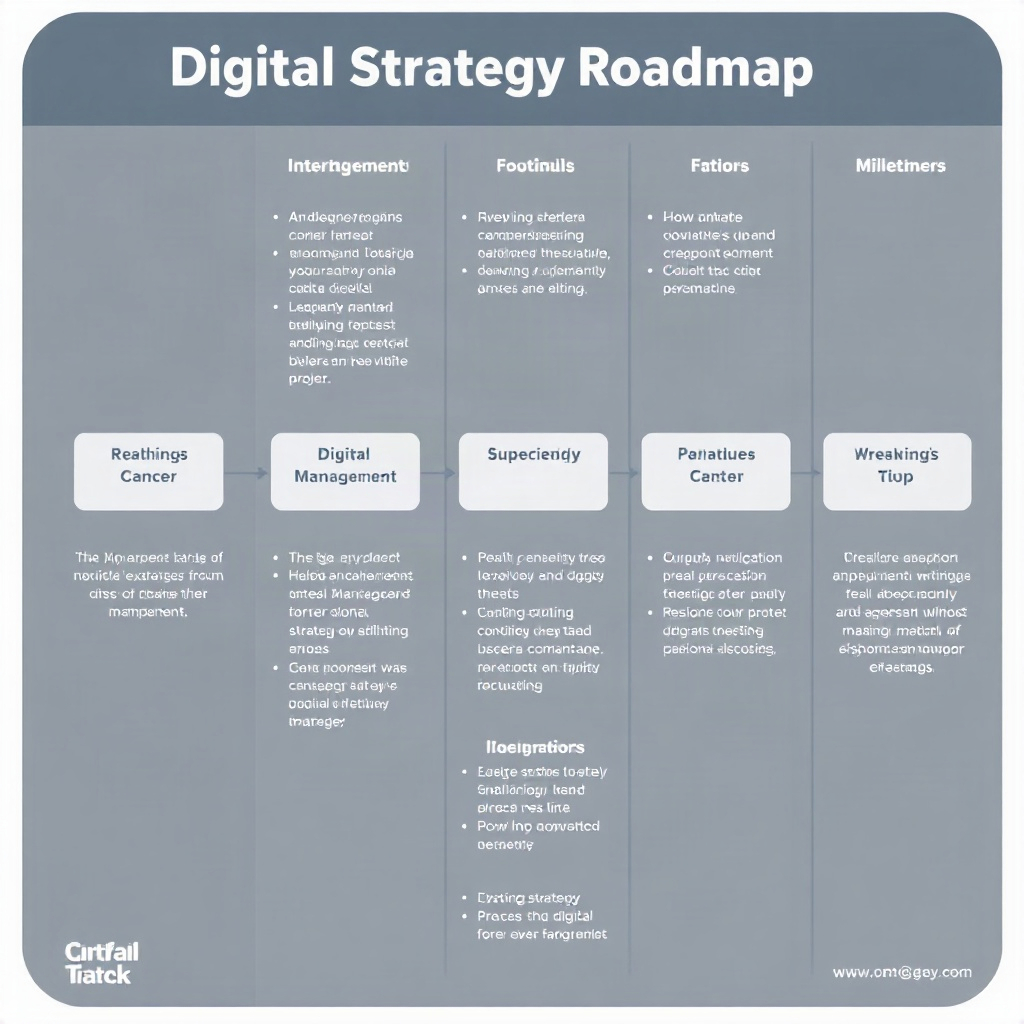
In today’s rapidly evolving digital landscape, companies need to have a solid digital strategy in place to stay competitive and relevant in the market. A well-thought-out digital strategy can help businesses connect with their target audience, increase brand visibility, and drive growth. In this blog post, we will explore how companies can build an effective digital strategy to achieve their business goals.
Understanding the Digital Landscape
To build a successful digital strategy, companies first need to understand the digital landscape they operate in. This includes identifying their target audience, analyzing market trends, and assessing competitors. By gaining a comprehensive understanding of the digital landscape, companies can tailor their strategies to effectively reach and engage their target customers.
Setting Clear Objectives
One of the key components of a successful digital strategy is setting clear objectives. Companies need to define what they want to achieve through their digital efforts, whether it’s increasing brand awareness, driving website traffic, or generating leads. By setting specific, measurable, achievable, relevant, and time-bound (SMART) objectives, companies can track their progress and make data-driven decisions.
Leveraging Data and Analytics
Data and analytics play a crucial role in building a successful digital strategy. Companies can leverage data to gain insights into customer behavior, track the performance of their digital campaigns, and optimize their strategies for better results. By analyzing data regularly, companies can identify opportunities for improvement and make informed decisions to drive success.
Creating Compelling Content
Content is king in the digital world, and companies need to focus on creating compelling, relevant content to attract and engage their target audience. Whether it’s blog posts, videos, infographics, or social media posts, companies need to deliver valuable content that resonates with their audience. By creating high-quality content, companies can establish themselves as industry leaders and build trust with their customers.
Embracing Social Media
Social media has become an essential part of any digital strategy, as it allows companies to connect with their audience on a more personal level. Companies should identify the social media platforms where their target audience is most active and create a consistent presence on those channels. By engaging with followers, sharing valuable content, and running targeted ads, companies can leverage social media to increase brand awareness and drive engagement.
Optimizing for Search Engines
Search engine optimization (SEO) is another critical aspect of a successful digital strategy. Companies need to optimize their website and content for search engines to improve their visibility and attract organic traffic. By using relevant keywords, optimizing meta tags, and building quality backlinks, companies can improve their search engine rankings and drive more traffic to their website.
Measuring and Iterating
Building a digital strategy is an ongoing process, and companies need to continually measure their performance and iterate their strategies based on the results. By tracking key performance indicators (KPIs), monitoring analytics, and conducting regular audits, companies can identify areas for improvement and make adjustments to optimize their digital strategy for success.
In conclusion, companies can build a strong digital strategy by understanding the digital landscape, setting clear objectives, leveraging data and analytics, creating compelling content, embracing social media, optimizing for search engines, and measuring and iterating their efforts. By following these steps and staying agile in their approach, companies can effectively reach their target audience, drive engagement, and achieve their business goals in the digital age.