In today’s globalized economy, having a strong international business strategy is crucial for companies looking to expand their reach and increase their market share. However, developing an effective strategy that works across borders and cultures can be challenging. In this blog post, we will explore seven key steps to help you build a strong international business strategy that will set your company up for success in the global marketplace.
Understanding the Global Market Landscape
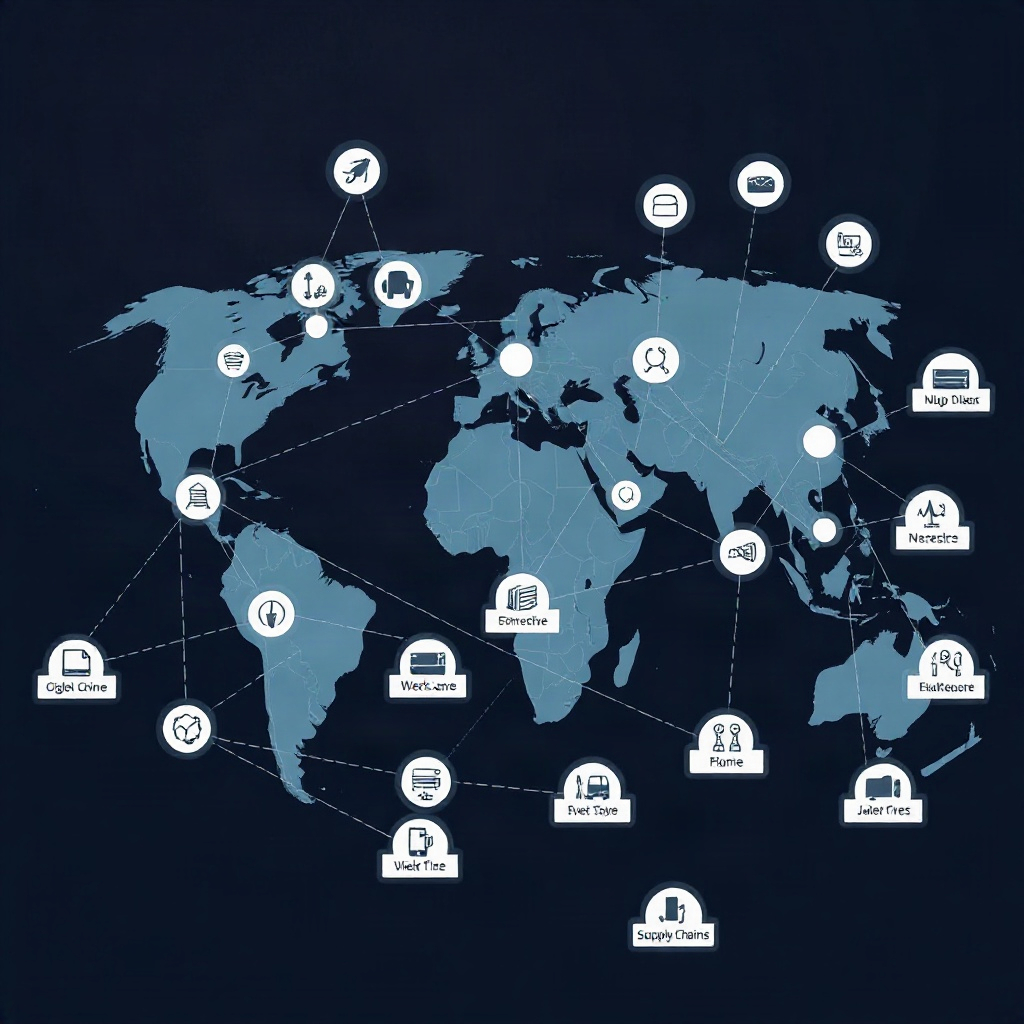
Before diving into creating an international business strategy, it is essential to have a deep understanding of the global market landscape. This includes conducting thorough market research, identifying potential opportunities and threats, and analyzing cultural, economic, and political factors that may impact your business.
Setting Clear Goals and Objectives
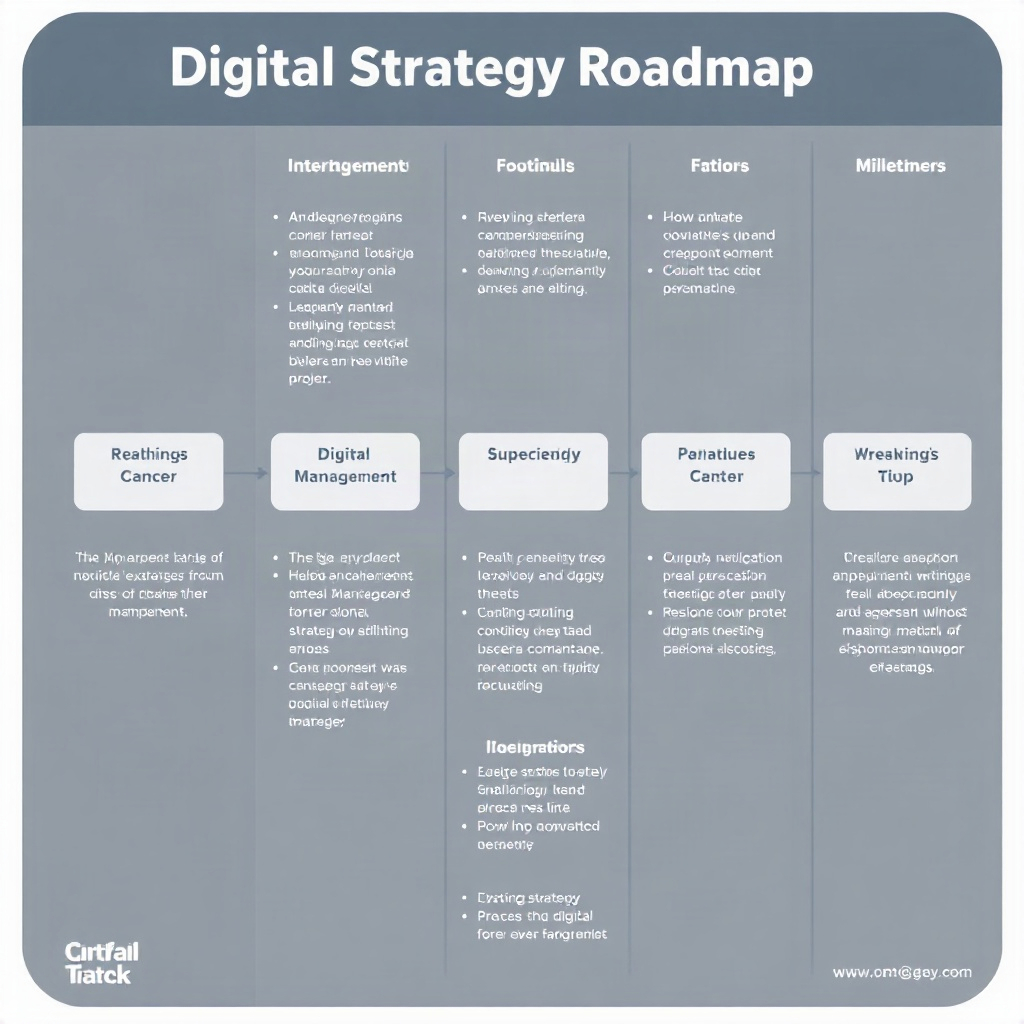
One of the most critical aspects of building a strong international business strategy is setting clear goals and objectives. These goals should be specific, measurable, achievable, relevant, and time-bound (SMART). By defining what you want to achieve in the international market, you can create a roadmap for success.
Conducting a SWOT Analysis
A SWOT analysis is a strategic planning tool that helps businesses identify their strengths, weaknesses, opportunities, and threats. By conducting a SWOT analysis for your international business, you can gain valuable insights into your company’s internal capabilities and external environment, helping you make informed decisions.
Developing a Competitive Strategy
In the global marketplace, competition is fierce. Developing a competitive strategy that sets your company apart from competitors is crucial for success. Whether it’s through product differentiation, pricing strategies, or marketing tactics, identifying your competitive advantage and leveraging it effectively is key to building a strong international business strategy.
Building Strong Partnerships
Building strong partnerships with local businesses, distributors, suppliers, or other key stakeholders in your target market can provide valuable support and resources for your international expansion. Collaborating with trusted partners can help you navigate cultural differences, regulatory challenges, and market nuances more effectively.
Implementing Effective Marketing and Communication Strategies
Effective marketing and communication strategies are essential for promoting your brand and products in the international market. From localized advertising campaigns to multilingual content creation, tailoring your marketing efforts to the preferences and needs of your target audience can help you connect with customers and drive sales.
Monitoring and Adjusting Your Strategy
Building a strong international business strategy is not a one-time task; it requires ongoing monitoring and adjustments. By tracking key performance indicators, collecting feedback from customers and stakeholders, and staying informed about market trends, you can identify areas for improvement and make proactive changes to optimize your strategy.