In today’s interconnected world, comparing public services across different countries can help us understand what works and what doesn’t. With diverse systems in place, each country offers unique insights into how public services can be optimized for better delivery. In this article, we will explore a checklist that can guide us in assessing the quality and efficiency of public services worldwide. By taking a closer look, we can learn from one another and strive for improvement in our own systems.
Understanding Public Services
Public services are essential functions that governments provide to meet the needs of their citizens. These can include healthcare, education, transportation, and more. Each country’s approach to public services reflects its values, resources, and priorities. By understanding these differences, we can better appreciate how public services impact daily life and the overall well-being of citizens.
Key Performance Indicators
When comparing public services, we must consider various key performance indicators (KPIs). These metrics can include service accessibility, quality of service, efficiency, and user satisfaction. By evaluating these KPIs, we can gain a clearer picture of how well a country is performing in delivering public services.
Citizen Involvement
Citizen involvement is crucial when assessing public services. In some countries, citizens are actively engaged in decision-making processes, while in others, they may feel excluded. Understanding how citizen input shapes public services can help us identify best practices and areas needing improvement. Engaged citizens often lead to more responsive and effective services.
Funding and Resources
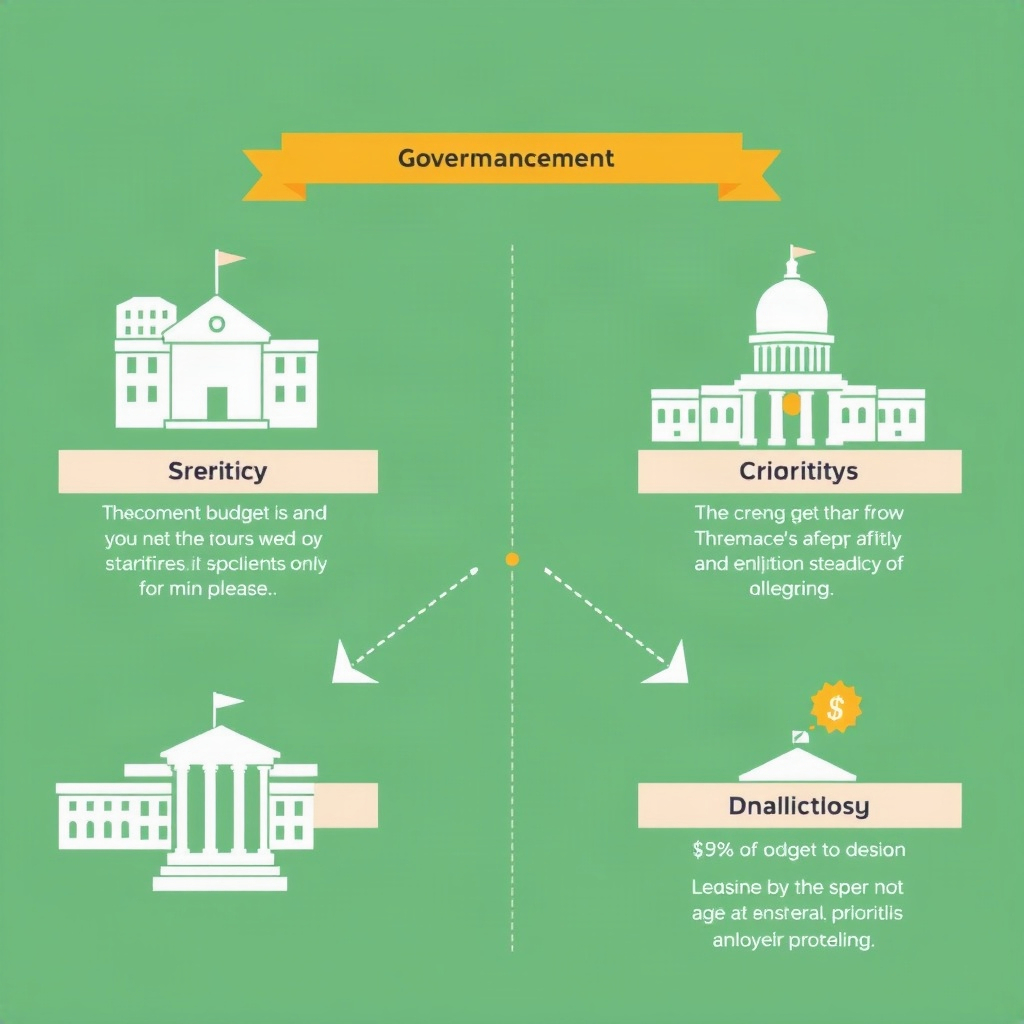
Another vital aspect to consider is funding and resources allocated to public services. Different countries prioritize their budgets differently, which impacts service delivery. By analyzing how funds are distributed and utilized, we can better understand the strengths and weaknesses of each system. This can also reveal the importance of sustainable funding models for long-term success.
Technology Integration
In today’s digital age, the integration of technology into public services is becoming increasingly important. Countries that utilize technology effectively can enhance service delivery, improve accessibility, and streamline processes. Assessing how different nations adopt and implement technology can provide valuable lessons for enhancing our own systems.
Cultural Factors
Cultural factors play a significant role in shaping public services. Values, traditions, and social norms influence how services are perceived and utilized. By examining the cultural context of public services, we can better understand why certain approaches work in some countries and not in others. This cultural lens can help us tailor services to better fit the needs of diverse populations.
Accountability and Transparency
Accountability and transparency are critical in evaluating public services. Citizens have the right to know how their tax dollars are spent and how decisions are made. Countries that prioritize transparency often enjoy higher levels of trust and satisfaction among their citizens. By comparing how different nations uphold these principles, we can identify best practices and areas for improvement.
Outcomes and Impact
Ultimately, the success of public services can be measured by the outcomes they produce. We must assess whether services are meeting their intended goals and positively impacting citizens’ lives. This can include looking at health outcomes, educational attainment, and overall quality of life. By focusing on outcomes, we can better understand the effectiveness of various public service models.
Continuous Improvement
Finally, we must recognize that comparing public services is not a one-time task but an ongoing process. Continuous improvement is essential in adapting to changing needs and circumstances. By regularly revisiting our checklist and learning from international comparisons, we can strive for better public services for all.
In conclusion, comparing public services across countries is a complex yet rewarding endeavor. By using the checklist we’ve outlined, we can gain valuable insights into the various factors that contribute to effective service delivery. Whether it’s understanding citizen involvement or examining funding models, each element plays a crucial role in shaping the public services we rely on daily. Let’s keep the conversation going and learn from each other as we work towards improving the quality of our public services.