The advance-decline line is a powerful tool used in stock market analysis to gauge the overall strength of a market trend. It provides valuable insights into market breadth and can help investors make informed decisions. In this article, we will explore what the advance-decline line can and cannot tell you, and how it can be used effectively in technical analysis.
Understanding the Advance-Decline Line
The advance-decline line, also known as the A/D line, is a cumulative measure of the number of advancing and declining stocks in a market index. It is calculated by subtracting the number of declining stocks from the number of advancing stocks and adding the result to the previous day’s value. The A/D line reflects the overall momentum of a market trend and can help investors identify potential turning points.
Interpreting the Advance-Decline Line
While the advance-decline line can provide valuable insights into market breadth, it is important to remember that it is not a crystal ball. It cannot predict future market movements with certainty. Instead, it should be used in conjunction with other technical indicators to confirm trends and identify potential reversals. By analyzing the A/D line alongside other indicators such as moving averages and volume, investors can make more informed decisions.
Using the Advance-Decline Line in Technical Analysis
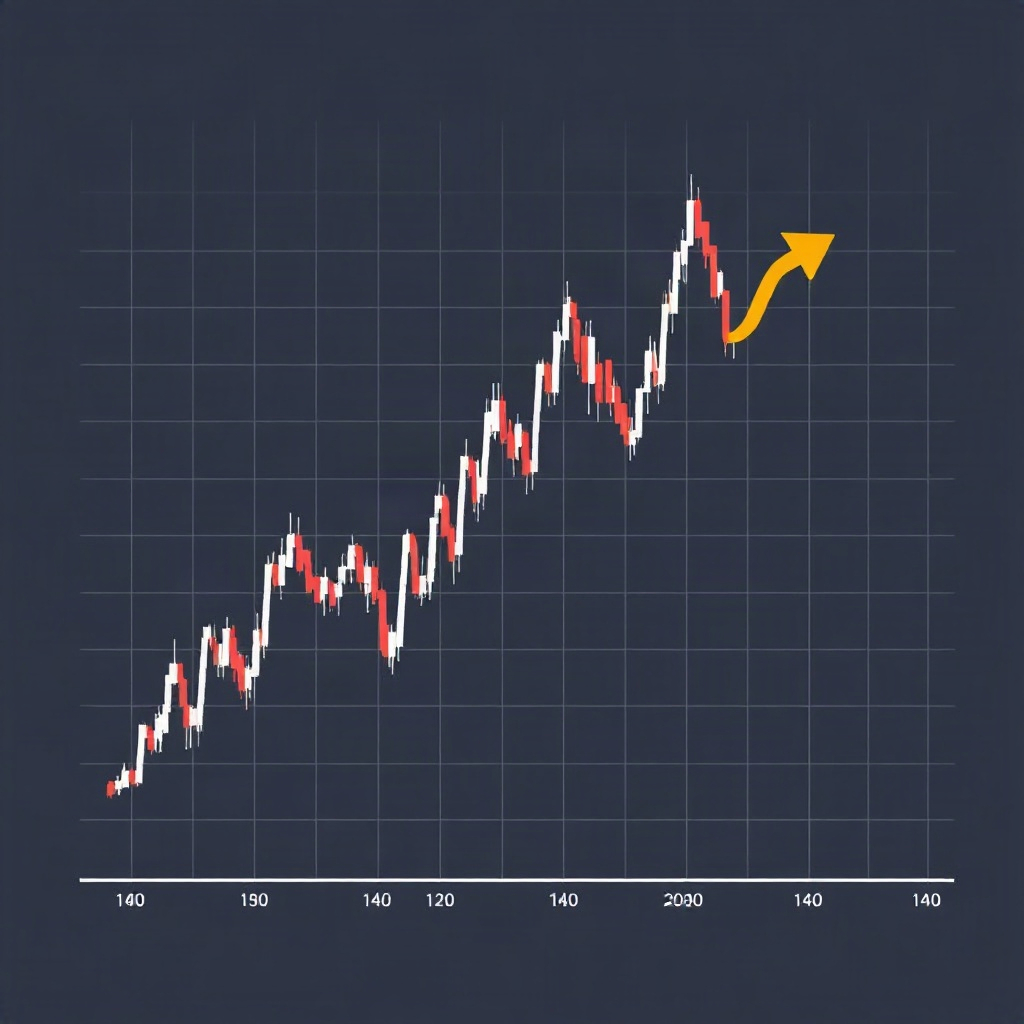
In technical analysis, the advance-decline line is often used to confirm the strength of a market trend. When the A/D line is moving in the same direction as the market index, it suggests that the trend is strong and likely to continue. On the other hand, divergences between the A/D line and the market index can signal potential trend reversals. By paying attention to these divergences, investors can anticipate changes in market direction and adjust their trading strategies accordingly.
Limitations of the Advance-Decline Line
While the advance-decline line is a valuable tool in technical analysis, it has its limitations. It is not foolproof and can sometimes give false signals. Market conditions can change rapidly, and the A/D line may not always accurately reflect these changes. Therefore, it is important to use the advance-decline line in conjunction with other indicators and to consider the overall market context when making trading decisions.
Conclusion
In conclusion, the advance-decline line is a powerful tool that can provide valuable insights into market breadth and help investors make informed decisions. By understanding its strengths and limitations, investors can use the A/D line effectively in technical analysis. Remember to analyze the A/D line in conjunction with other indicators and to consider the overall market context when interpreting its signals.