In the contemporary international landscape, states are increasingly faced with the complexities of uncertain rivalries. These rivalries, marked by fluctuating alliances and shifting power dynamics, compel nations to develop strategies that enable them to navigate their geopolitical environments effectively. Two prominent strategies that states employ in this context are hedging and balancing. While both approaches aim to manage risks associated with uncertainty in international relations, they differ fundamentally in their implementation and objectives. This article will explore the nuances of hedging and balancing as strategies employed by states, the contexts in which each is applied, and the implications for global politics.
Understanding Hedging in International Relations
Hedging is a strategic approach that states use to mitigate potential risks without fully committing to one side of a rivalry. This strategy is particularly prevalent in situations characterized by uncertainty and fluctuating power dynamics, where states seek to protect their interests by adopting a flexible and adaptive posture. Hedging allows countries to engage with multiple actors, thereby diversifying their options and reducing dependency on any single ally or partner. For instance, a state might strengthen its economic ties with a rising power while simultaneously maintaining a security alliance with an established power, effectively hedging its bets against future uncertainties. This dual engagement provides a buffer against potential adverse outcomes, enabling states to remain agile in an ever-changing geopolitical landscape.
The rationale behind hedging lies in its ability to balance engagement and restraint. States employing this strategy often refrain from taking definitive stances, thereby preserving diplomatic flexibility. This tactic can be particularly advantageous in regions where rivalries are deeply entrenched and alliances are fluid. Moreover, hedging can serve as a means of signaling to both allies and adversaries that a state is open to multiple avenues of cooperation, which can enhance its bargaining power in negotiations. However, the effectiveness of hedging can vary significantly based on the specific geopolitical context and the actors involved, making it a complex and often contentious strategy in international relations.
The Concept of Balancing in Geopolitical Strategy
In contrast to hedging, balancing is a more assertive strategy employed by states to counter perceived threats from rival powers. This approach typically involves forming alliances or coalitions with other states that share similar security concerns, thereby countering the influence of a common adversary. Balancing is grounded in the realist tradition of international relations, which posits that states act primarily in their self-interest to maintain their sovereignty and security. By aligning with like-minded nations, states can enhance their collective security and deter potential aggressors, thereby creating a more stable balance of power.
The balancing strategy can take various forms, including military alliances, economic partnerships, and diplomatic coalitions. A notable example of balancing can be observed in the North Atlantic Treaty Organization (NATO), where member states have committed to mutual defense against external threats. By pooling their resources and capabilities, these states enhance their overall security and deter potential adversaries. However, balancing is not without its challenges. States must navigate the complexities of alliance politics, which can include managing differing national interests and ensuring cohesion among diverse partners. Additionally, the effectiveness of balancing is often contingent upon the willingness of states to commit resources and engage in collective action, which can be difficult to achieve in practice.
The Role of Context in Strategy Selection
The choice between hedging and balancing is heavily influenced by the specific geopolitical context in which states operate. Factors such as the nature of rivalries, the distribution of power, and regional dynamics play a crucial role in determining which strategy is more appropriate. In regions where threats are ambiguous or where alliances are fragile, states may be more inclined to adopt a hedging strategy. Conversely, in scenarios where threats are clear and immediate, balancing may be the preferred approach as states seek to consolidate their security against a common adversary.
Moreover, domestic political considerations can also influence the selection of strategies. States with strong public support for assertive foreign policy may be more likely to pursue balancing, while those with a more cautious or isolationist public sentiment might lean toward hedging. As such, the interplay between domestic politics and international dynamics is essential in understanding how states navigate uncertain rivalries and choose between these two strategic approaches.
Implications of Hedging and Balancing for Global Politics
The strategies of hedging and balancing have significant implications for global politics, particularly in terms of alliance formation, conflict dynamics, and power transitions. As states navigate uncertain rivalries, their strategic choices can either exacerbate tensions or foster cooperation among competing powers. For instance, a state that adopts a hedging strategy may inadvertently embolden rival actors by signaling a lack of commitment to any particular alliance, potentially destabilizing the regional order. Conversely, a robust balancing strategy can create countervailing coalitions that deter aggression and promote stability.
Furthermore, the interplay between hedging and balancing can influence broader geopolitical trends, such as the rise of multipolarity or the resurgence of great power competition. As states increasingly adopt hybrid strategies that incorporate elements of both hedging and balancing, the international system may witness a shift toward more complex and fluid dynamics that challenge traditional notions of power and influence. Consequently, understanding these strategies becomes essential for policymakers and scholars alike, as they grapple with the intricacies of contemporary international relations.
Case Studies Hedging and Balancing in Action
To illustrate the practical applications of hedging and balancing, several case studies can provide valuable insights into how states navigate uncertain rivalries. One pertinent example is the behavior of Southeast Asian nations in response to China’s assertive actions in the South China Sea. Countries such as Vietnam and the Philippines have adopted hedging strategies, engaging with both the United States and China to secure their interests without fully committing to either side. This approach allows them to benefit from economic ties with China while retaining security alliances with traditional partners like the U.S.
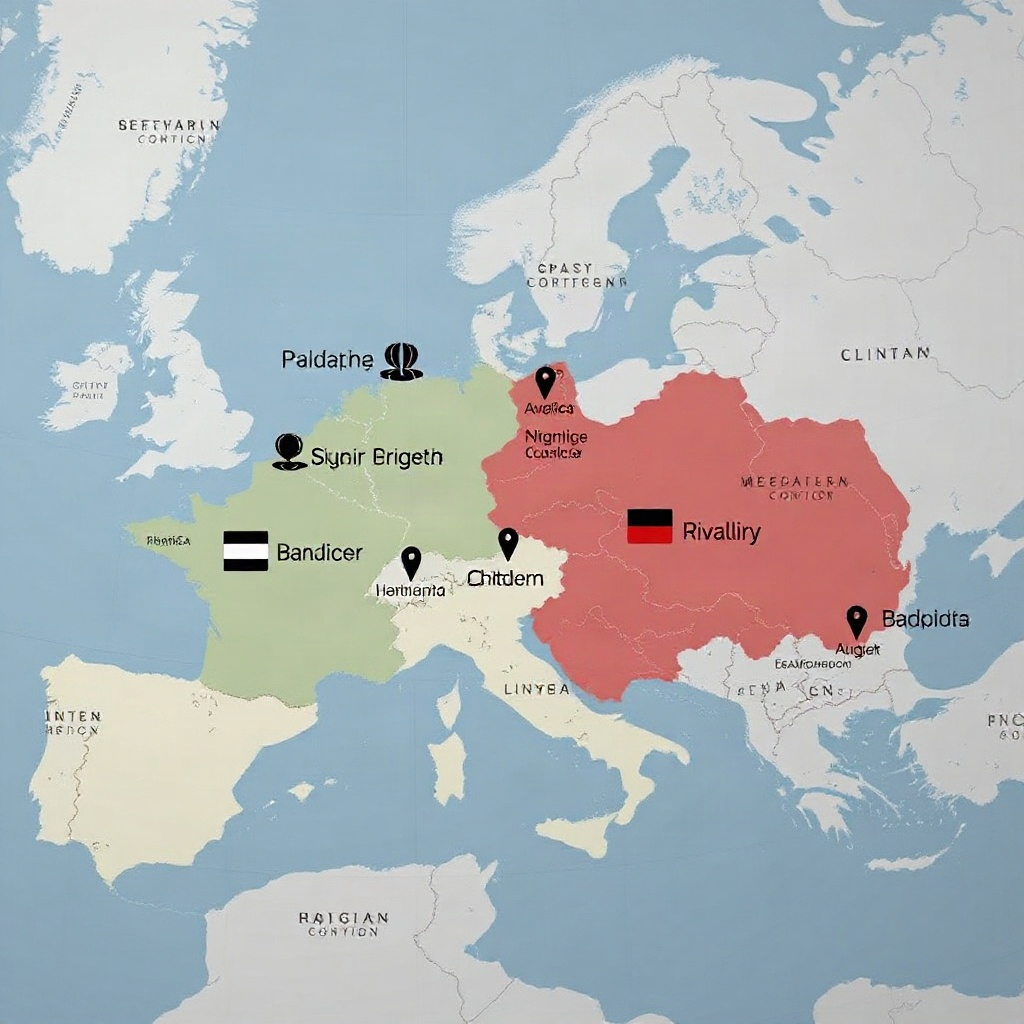
In contrast, the response of European states to Russia’s actions in Ukraine demonstrates the balancing strategy in practice. NATO member states have rallied together to impose sanctions on Russia and strengthen their collective defense posture in Eastern Europe. This united front exemplifies how balancing can serve as an effective response to perceived threats, reinforcing the importance of collective action in the face of aggression. These case studies underscore the diverse ways in which states can employ hedging and balancing strategies to navigate the complexities of international rivalries, adapting their approaches based on the prevailing geopolitical context.