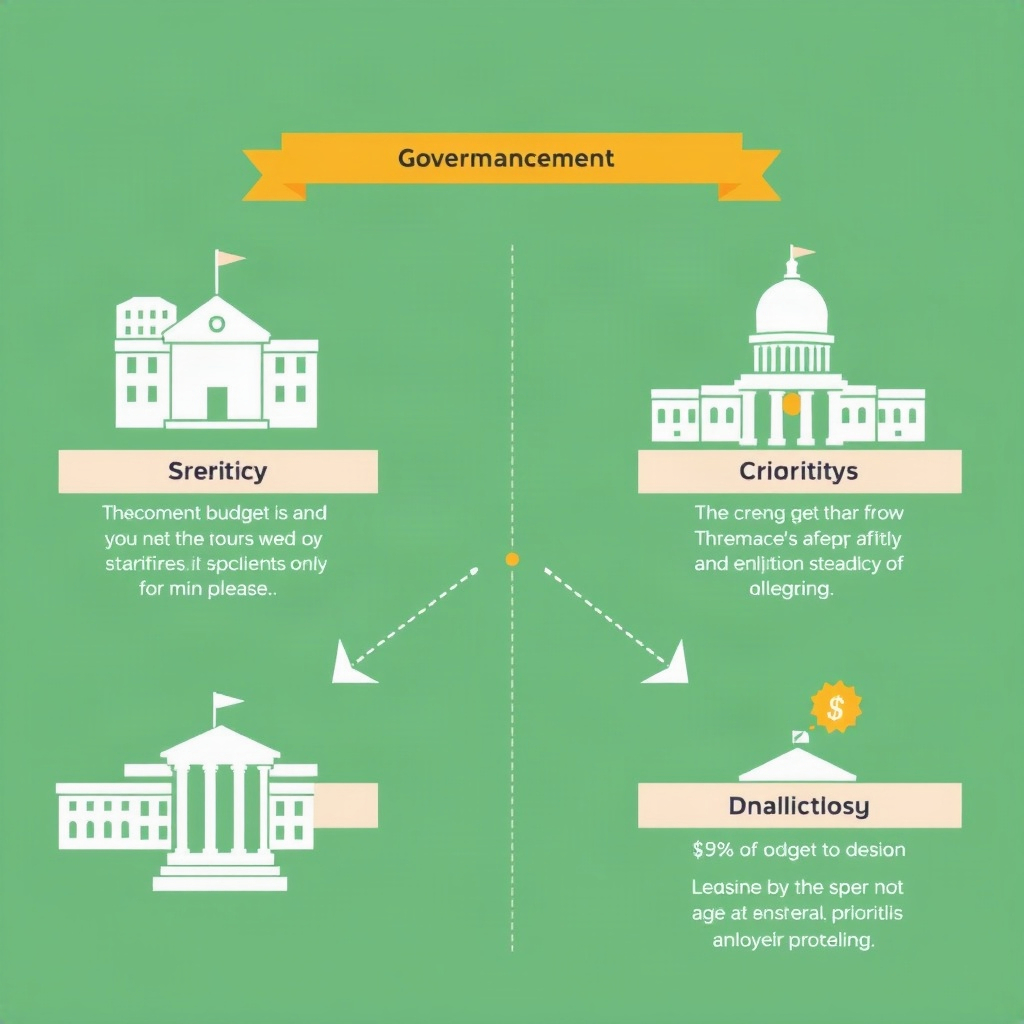
Government budgets play a crucial role in translating policy priorities into actual spending. In this academic-style interview, we will explore the intricate relationship between government budgets and policy decisions. Let’s delve into the details.
Understanding Government Budgets
Government budgets serve as a financial roadmap for the allocation of resources towards various policy objectives. They reflect the government’s priorities and goals for a specific period.
The Impact of Policy Priorities
Policy priorities drive the allocation of funds in government budgets. Prioritizing certain areas such as education, healthcare, or infrastructure can significantly influence spending decisions.
Balancing Competing Interests
Governments often face the challenge of balancing competing interests when setting budget priorities. This requires careful consideration of various factors, including social needs, economic growth, and political considerations.
The Role of Stakeholders
Stakeholders, including policymakers, interest groups, and the public, play a crucial role in shaping government budgets. Their input and feedback can influence budget allocations and policy outcomes.
Budgeting for Public Services
Allocating funds for public services is a key component of government budgets. Ensuring adequate funding for services such as healthcare, education, and public safety is essential for meeting the needs of the population.
Addressing Fiscal Challenges
Governments must also address fiscal challenges when preparing budgets. This includes managing debt, controlling deficits, and ensuring sustainable fiscal policies for long-term economic stability.
Monitoring and Evaluation
Monitoring and evaluating budget implementation is essential to ensure that funds are spent effectively and efficiently. Regular assessments help identify areas for improvement and reallocate resources as needed.
Transparency and Accountability
Transparency and accountability in budgeting processes are essential for building trust with the public. Openness in decision-making and financial reporting enhances government credibility and fosters public confidence.
Budget Reforms and Innovation
Governments are constantly exploring new budgeting strategies and innovative approaches to address complex policy challenges. Budget reforms aim to enhance efficiency, transparency, and effectiveness in resource allocation.
Future Trends in Budgeting
The future of government budgeting is likely to be shaped by technological advancements, changing demographics, and global economic trends. Adapting to new realities will require governments to be agile and responsive in their budgeting practices.