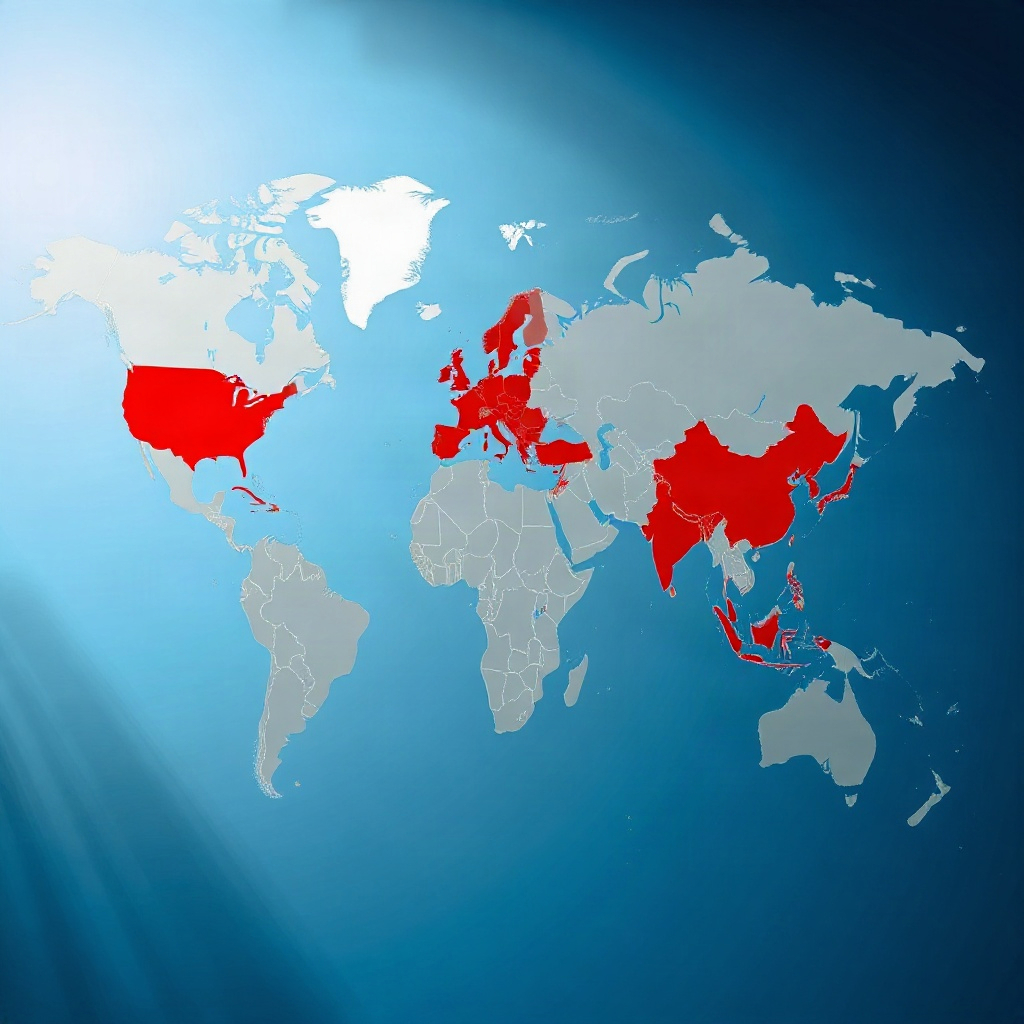
In today’s interconnected world, economic sanctions have become a crucial tool in global politics. These measures are often used by countries to exert pressure on others, whether to enforce international law, promote human rights, or address security concerns. Understanding the significance of economic sanctions is vital for comprehending the dynamics of international relations. This article will delve into the reasons why economic sanctions matter in global politics and their impact on the global stage.
The History of Economic Sanctions
Economic sanctions have a long history dating back to ancient times. The use of economic measures to influence the behavior of other nations has evolved over the centuries, from trade embargoes to more sophisticated financial restrictions. Understanding the historical context of economic sanctions provides insights into their effectiveness and limitations in modern geopolitics.
The Legal Framework of Economic Sanctions
International law plays a crucial role in regulating the use of economic sanctions. The United Nations Security Council is empowered to impose sanctions on countries that pose a threat to international peace and security. The legal framework surrounding economic sanctions ensures that these measures are implemented in a transparent and accountable manner, with respect for the sovereignty of states.
The Economic Impact of Sanctions
Economic sanctions can have far-reaching consequences on the targeted country’s economy. From trade disruptions to financial isolation, the economic impact of sanctions can be severe, affecting not only the government but also the civilian population. Understanding the economic implications of sanctions is essential for assessing their effectiveness and humanitarian consequences.
The Political Ramifications of Sanctions
Beyond their economic effects, sanctions also have significant political ramifications. They can strain diplomatic relations, escalate conflicts, and even lead to military confrontations. The political dynamics of sanctions involve complex power struggles and strategic calculations among nations, highlighting the intricate interplay between economics and politics in international affairs.
The Humanitarian Cost of Sanctions
One often overlooked aspect of economic sanctions is their humanitarian impact. Sanctions can exacerbate poverty, food insecurity, and healthcare crises in the targeted country, leading to widespread suffering among the civilian population. Understanding the humanitarian cost of sanctions is essential for policymakers to weigh the moral implications of these measures against their political objectives.
The Future of Economic Sanctions
As global politics continue to evolve, the role of economic sanctions is likely to remain a contentious issue. The effectiveness of sanctions in achieving policy goals, their humanitarian consequences, and their compliance with international law will continue to be subjects of debate. Understanding the future trends and challenges of economic sanctions is crucial for navigating the complexities of modern diplomacy.