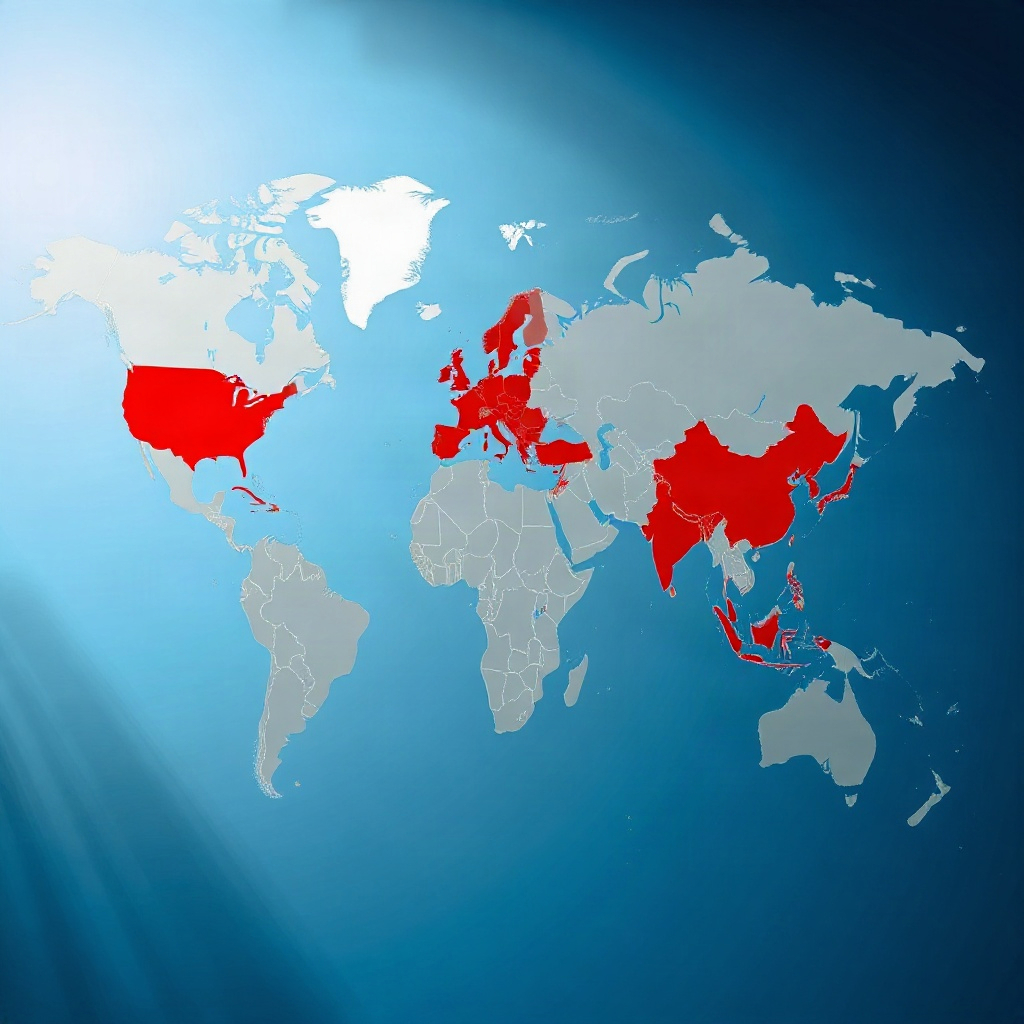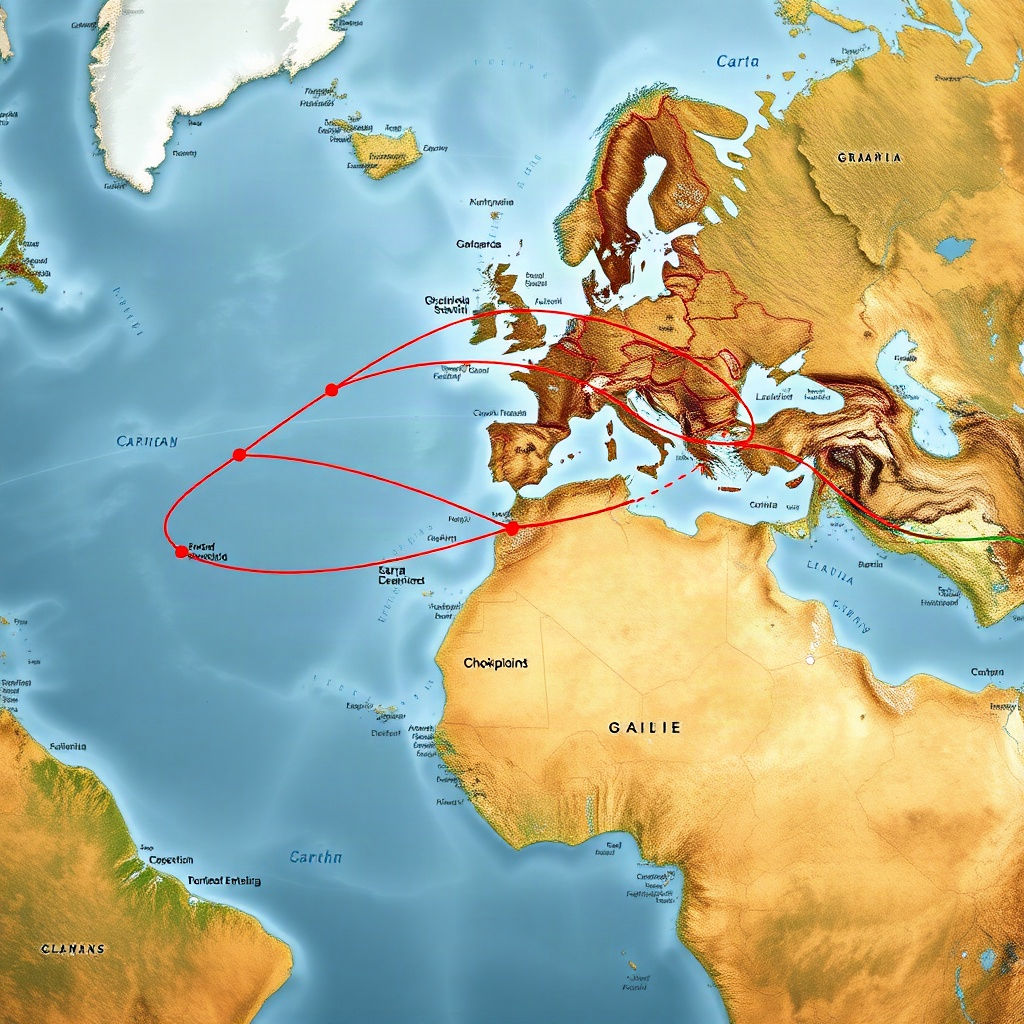
Trade routes have played a crucial role in shaping the distribution of global power throughout history. From the Silk Road to modern-day maritime routes, the flow of goods and services has not only driven economic growth but also influenced the balance of power between nations. In this academic article, we will explore how trade routes have impacted the geopolitical landscape and the strategic interests of key players.
The Historical Significance of Trade Routes
Trade routes have long served as conduits for cultural exchange, technological innovation, and economic prosperity. The Silk Road, for example, facilitated the spread of goods, ideas, and religions between the East and West, laying the foundation for the interconnected world we live in today. The historical significance of trade routes cannot be overstated, as they have shaped the course of civilizations and empires.
The Economic Influence of Maritime Trade Routes
In the modern era, maritime trade routes have emerged as the lifeblood of the global economy. The Suez Canal, Panama Canal, and Strait of Malacca are critical chokepoints that control the flow of goods between continents. The economic influence of maritime trade routes extends beyond mere transportation, as it also dictates the terms of trade, investment, and development in the regions they connect.
The Geopolitical Implications of Trade Route Control
Control over key trade routes has always been a source of geopolitical leverage for nations seeking to expand their influence. The United States, for instance, has maintained a strong military presence in the Strait of Hormuz to safeguard oil shipments from the Middle East. Similarly, China’s Belt and Road Initiative aims to establish new trade routes that will enhance its geopolitical standing in Asia and beyond.
The Role of Technology in Reshaping Trade Routes
Advancements in technology, such as containerization, automation, and digitalization, have revolutionized the way goods are transported along trade routes. The rise of e-commerce and the Internet of Things (IoT) have further accelerated the pace of trade, creating new opportunities for businesses to tap into global markets. As technology continues to evolve, trade routes will adapt to meet the changing demands of the global economy.
Environmental Challenges and Sustainability Concerns
While trade routes have been instrumental in driving economic growth, they also pose significant environmental challenges. Maritime shipping, for example, accounts for a large share of global carbon emissions and pollution. Addressing these sustainability concerns will require innovative solutions that balance the economic benefits of trade with the need to protect the planet for future generations.
The Future of Trade Routes in a Post-Pandemic World
The COVID-19 pandemic has disrupted global trade and exposed the vulnerabilities of interconnected supply chains. As countries reassess their reliance on international trade, new trade routes and partnerships may emerge to mitigate risks and diversify sources of goods. The future of trade routes in a post-pandemic world will be shaped by a complex interplay of economic, political, and environmental factors.