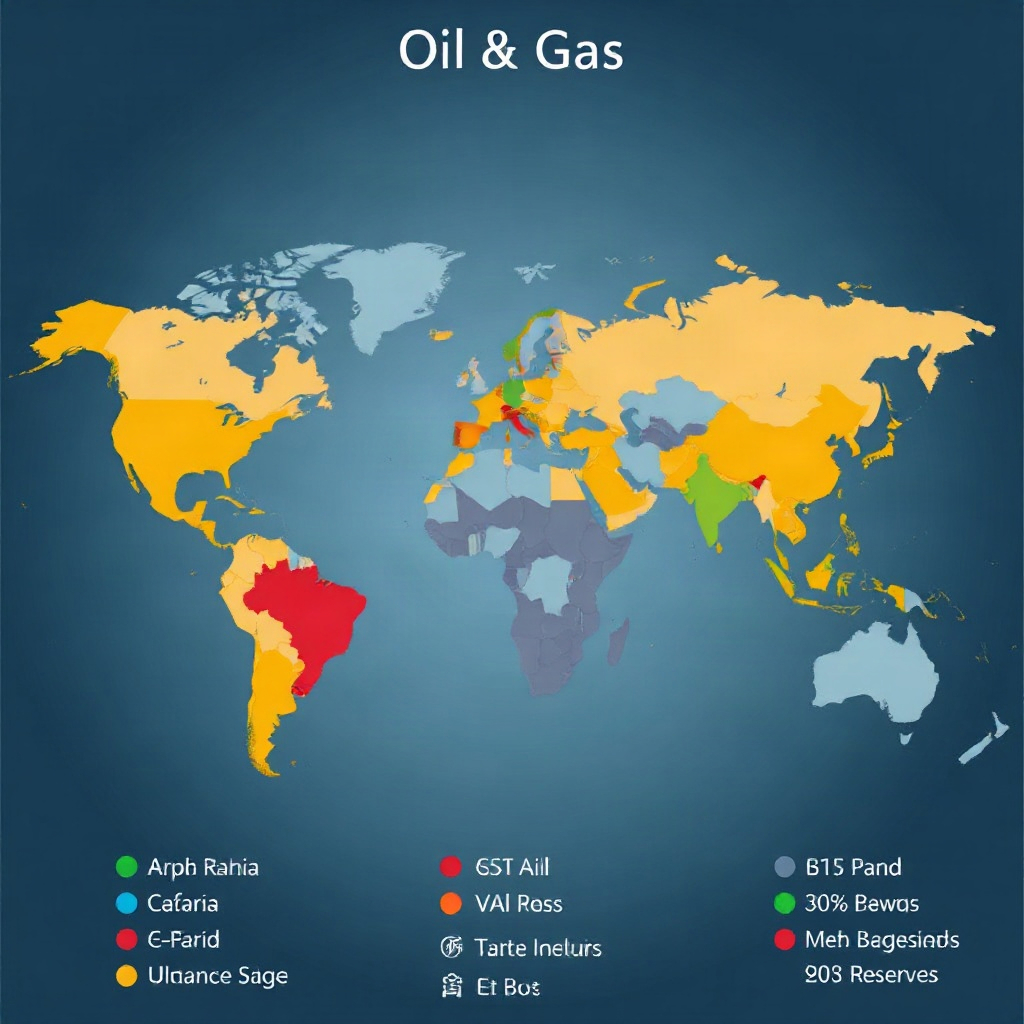
The global political landscape is significantly shaped by the influence of the oil and gas industry. These natural resources play a crucial role in determining the power dynamics between nations, affecting everything from economic policies to military interventions. In this article, we will delve into the intricate relationship between oil, gas, and global politics, exploring the various ways in which these resources impact international relations.
The Geopolitics of Oil and Gas
The control and distribution of oil and gas reserves have long been a driving force behind geopolitical strategies. Countries rich in these resources have often wielded significant influence on the global stage, using their energy reserves as leverage in diplomatic negotiations and power struggles. The competition for access to oil and gas reserves has led to alliances and conflicts, shaping the geopolitical landscape in profound ways.
Energy Security and National Interests
Energy security is a top priority for many nations, as access to reliable sources of oil and gas is essential for economic stability and national security. Countries often pursue policies aimed at securing their energy supply, whether through strategic partnerships with oil-rich nations or by investing in alternative energy sources. The quest for energy security can drive countries to engage in complex diplomatic maneuvers and military interventions.
Petrodollars and Economic Influence
The influx of petrodollars from oil and gas exports can have a transformative effect on a country’s economy. Nations that are major exporters of oil and gas often experience rapid economic growth and increased political influence on the global stage. The economic power derived from oil exports can be used to fund infrastructure projects, social programs, and even military expansion, further enhancing a country’s geopolitical clout.
Environmental Concerns and Geopolitical Challenges
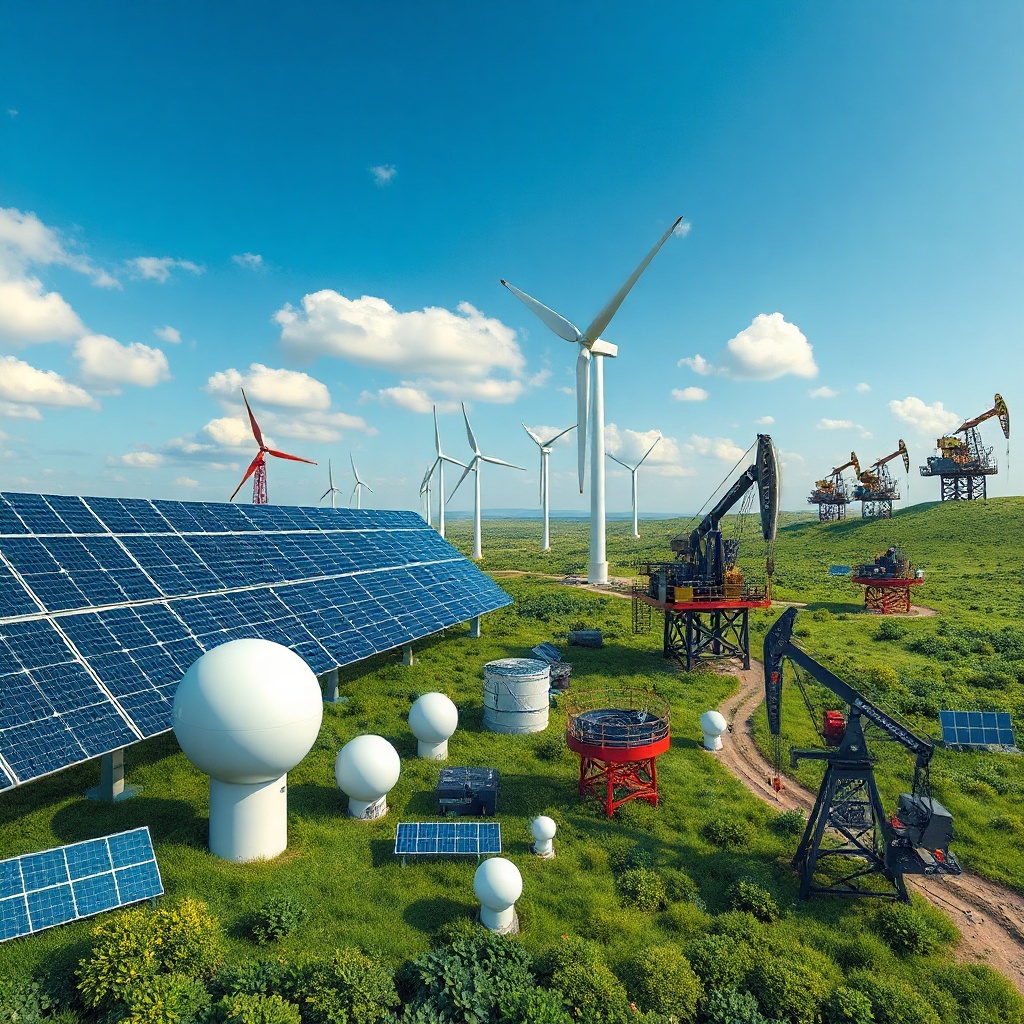
The environmental impact of oil and gas extraction has increasingly become a source of geopolitical tension. Climate change concerns, pollution, and the depletion of natural resources have prompted calls for a shift towards renewable energy sources. Countries that are heavily dependent on oil and gas exports may face challenges in transitioning to a more sustainable energy model, leading to geopolitical conflicts over environmental policies and resource management.
The Role of International Organizations
International organizations such as OPEC (Organization of the Petroleum Exporting Countries) play a significant role in shaping the global oil and gas market. These organizations regulate production levels, set prices, and coordinate policies among member countries, influencing the supply and demand dynamics of the energy market. The decisions made by these organizations can have far-reaching implications for global politics and economic stability.
Future Trends and Geopolitical Shifts
As the world transitions towards a more sustainable energy future, the geopolitical landscape of oil and gas is likely to undergo significant changes. The rise of renewable energy sources, advancements in technology, and shifting global priorities will impact the influence of oil and gas on global politics. Nations will need to adapt to these changes, forging new alliances and strategies to navigate the evolving energy landscape.