SEO ODAK ANAHTAR KELİME: Territorial Waters vs. Exclusive Economic Zones
Territorial waters and exclusive economic zones are two concepts that are often confused by many. In this article, we will delve into the differences between these two maritime boundaries to gain a better understanding of their significance.
Understanding Territorial Waters
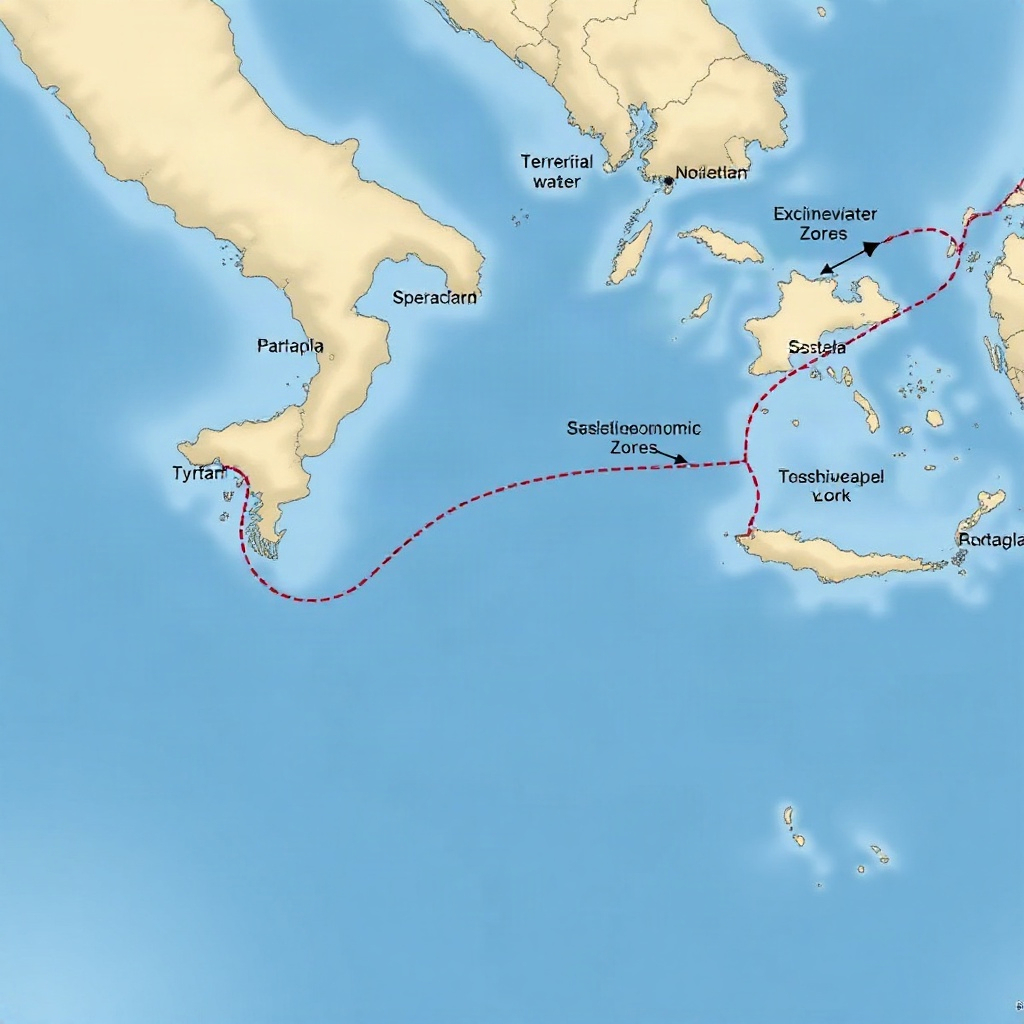
Territorial waters refer to the area of water adjacent to a country’s coast, which extends up to 12 nautical miles from the baseline of a coastal state. Within these waters, the coastal state exercises full sovereignty, including the right to regulate passage and control natural resources.
Exploring Exclusive Economic Zones
On the other hand, exclusive economic zones (EEZ) extend up to 200 nautical miles from the baseline of a coastal state. Within this zone, the coastal state has the exclusive rights to explore and exploit natural resources, such as fish and oil, as well as the responsibility to preserve and manage the marine environment.
Key Differences
One of the primary differences between territorial waters and exclusive economic zones is the extent of control and rights that a coastal state has over these maritime areas. While territorial waters grant full sovereignty up to 12 nautical miles, EEZs extend further to 200 nautical miles, providing exclusive rights for resource exploration and exploitation.
Legal Framework
The legal framework governing territorial waters and exclusive economic zones is primarily based on the United Nations Convention on the Law of the Sea (UNCLOS). This international agreement sets out the rights and responsibilities of states in these maritime areas, ensuring peaceful cooperation and the sustainable use of marine resources.
International Disputes
Despite the clear delineation of territorial waters and exclusive economic zones under UNCLOS, disputes often arise between neighboring states over maritime boundaries. These disputes can lead to tensions and conflicts, highlighting the importance of diplomacy and international cooperation in resolving such issues.
Conclusion
In conclusion, territorial waters and exclusive economic zones are crucial concepts in maritime law that define the extent of a coastal state’s control and rights over adjacent waters. Understanding the differences between these two boundaries is essential for promoting cooperation and peaceful coexistence among states in the international maritime domain.