The Power Transition Theory is a crucial framework in understanding the dynamics of international relations, especially when it comes to predicting the rise and fall of global powers. This theory posits that as a new power emerges on the world stage, it will inevitably challenge the existing dominant power, leading to a period of instability and potential conflict. However, there are certain limitations to what the Power Transition Theory can accurately predict in the ever-evolving landscape of global politics.
The Origins of Power Transition Theory
The Power Transition Theory traces its origins back to the work of A.F.K. Organski and Jacek Kugler in the 1970s. They argued that the rise and fall of great powers could be predicted based on the distribution of capabilities among states in the international system. This theory has since been refined and expanded upon by various scholars and remains a cornerstone of international relations theory.
Key Assumptions of Power Transition Theory
Central to the Power Transition Theory are several key assumptions. Firstly, it assumes that states seek to maximize their power and influence in the international system. Secondly, it posits that the distribution of power among states is a crucial factor in determining the likelihood of conflict. Finally, it argues that the transition of power from one dominant state to another is a tense and uncertain process that often leads to geopolitical instability.
Predictions of Power Transition Theory
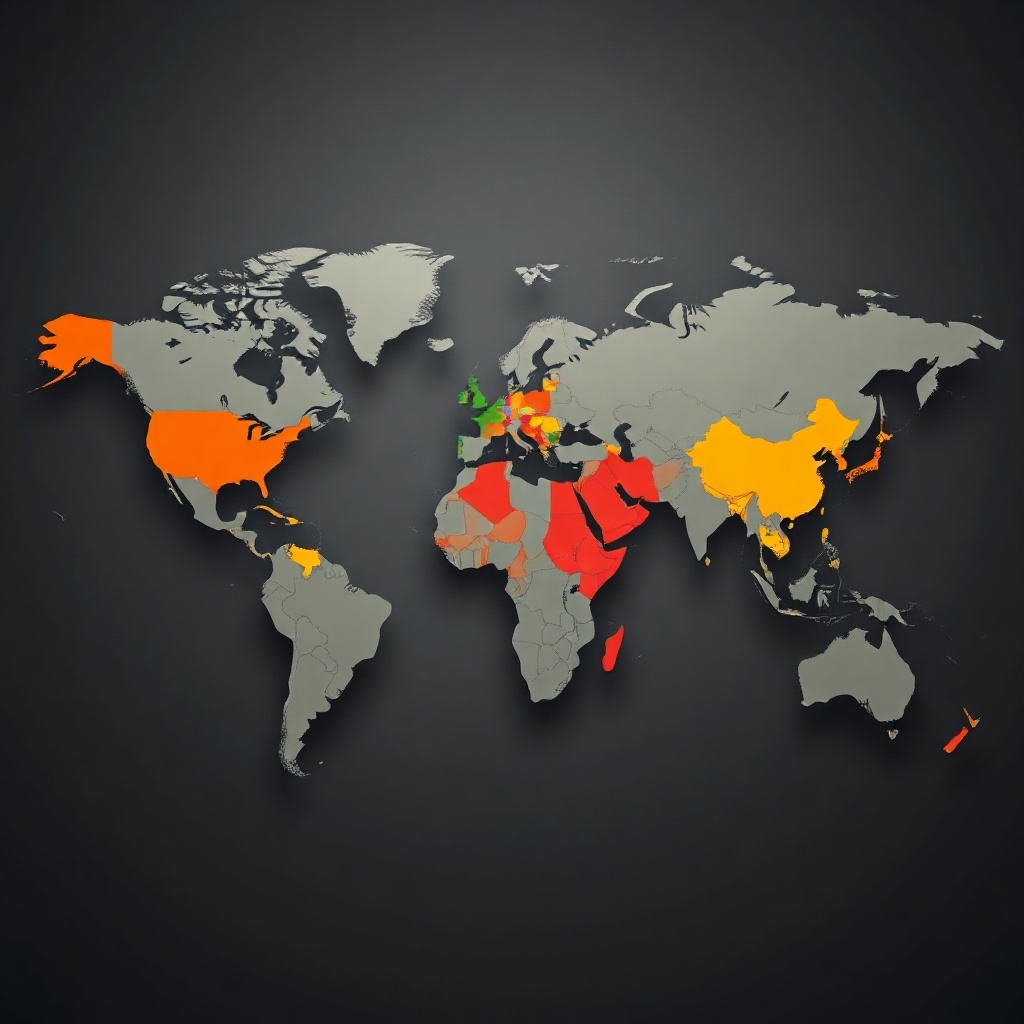
One of the main predictions of the Power Transition Theory is that as a rising power gains strength and challenges the established dominant power, the likelihood of conflict between the two increases. History is replete with examples of this dynamic, such as the rise of Germany challenging British hegemony in the early 20th century, leading to World War I. Additionally, the theory predicts that the international system will undergo a period of realignment as new power dynamics emerge.
Limitations of Power Transition Theory
While the Power Transition Theory has proven to be a valuable tool in understanding the dynamics of international relations, it is not without its limitations. For instance, the theory struggles to account for the role of non-state actors, such as terrorist organizations and multinational corporations, in shaping global politics. Additionally, the theory may not fully capture the complexities of modern conflicts, which often involve a mix of military, economic, and ideological factors.
Applications of Power Transition Theory
Despite its limitations, the Power Transition Theory remains a valuable framework for analyzing the shifting power dynamics in the international system. By understanding the patterns of power transitions, policymakers can better anticipate potential sources of conflict and work towards more stable and peaceful outcomes. Additionally, the theory can help scholars and analysts make sense of the complex interactions between states in a rapidly changing world.
The Future of Power Transition Theory
As the global landscape continues to evolve, the Power Transition Theory will likely undergo further refinements and adaptations to account for new realities. By incorporating insights from other disciplines, such as economics and sociology, scholars can enhance the predictive power of the theory and provide more nuanced analyses of international relations. Ultimately, the Power Transition Theory remains a valuable tool for understanding the dynamics of power in a complex and interconnected world.