Understanding Strategic Chokepoints in Global Power Dynamics
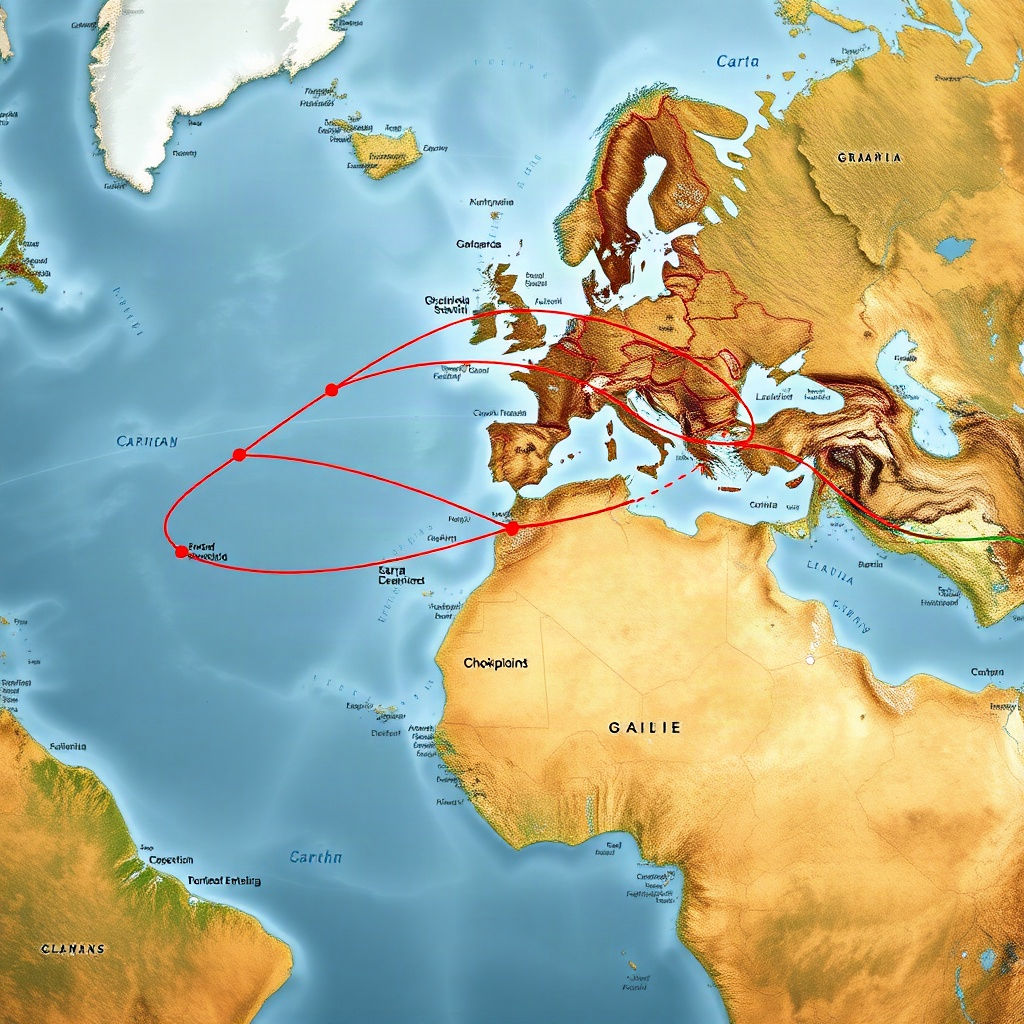
Strategic Chokepoints and the New Geography of Power Strategic chokepoints are narrow passages or critical geographical areas that have significant importance in global power dynamics. These points often control the flow of goods, people, and information, making them vital for trade, military operations, and overall geopolitical influence.
The Significance of Strategic Chokepoints in Modern Geopolitics
In modern geopolitics, strategic chokepoints play a crucial role in shaping international relations and security policies. Control over key chokepoints such as the Strait of Hormuz, Panama Canal, or Malacca Strait can provide a country with leverage and influence on the global stage, impacting economic and political dynamics worldwide.
Navigating the New Geography of Power: Strategic Chokepoints
As the world continues to evolve, navigating the new geography of power requires a deep understanding of strategic chokepoints. Countries must carefully strategize to secure key chokepoints, form alliances to maintain access, and adapt to emerging challenges such as climate change and technological advancements that can impact the significance of these critical locations.
| Example of Strategic Chokepoints | Location | Importance |
|---|---|---|
| Strait of Malacca | Between Malaysia, Indonesia, and Singapore | Critical for global trade, connecting the Indian Ocean to the Pacific Ocean |
| Suez Canal | Egypt | Key route for maritime transportation between Europe and Asia |
| Bab el Mandeb | Connects the Red Sea to the Gulf of Aden | Essential for oil shipments from the Middle East to Europe and the US |
Strategic Chokepoints: Shaping Global Relationships, Impact on International Relations, and Role in the New World Order
Strategic chokepoints play a key role in shaping global relationships by serving as critical passages for trade, energy, and military transportation. These narrow passages or channels have a significant impact on international relations by influencing economic power dynamics, political alliances, and security strategies.
When analyzing the impact of strategic chokepoints on international relations, it is evident that countries with control over these points have leverage over the flow of goods and resources. This control can lead to geopolitical tensions, as seen in the Strait of Hormuz, where disputes over access to oil shipments have escalated regional conflicts.
Strategic chokepoints are pivotal points in the new world order, as they represent key locations where economic interests intersect with security concerns. The Suez Canal, for example, is not only a vital trade route but also a strategic chokepoint that connects Europe to Asia and influences global maritime trade patterns. Similarly, the Malacca Strait in Southeast Asia is a critical chokepoint through which a significant portion of the world’s oil supply passes.
| Chokepoint | Location | Significance |
|---|---|---|
| Strait of Hormuz | Middle East | Controls access to Persian Gulf oil |
| Suez Canal | Egypt | Connects Mediterranean and Red Seas |
| Malacca Strait | Southeast Asia | Key route for global oil shipments |
In conclusion, strategic chokepoints are more than just geographic locations – they are geopolitical hotspots that shape global relationships, impact international relations, and hold significant influence in the evolving new world order.
The Influence of Strategic Chokepoints on Economic and Political Power, Geopolitical Strategy: Harnessing the Power of Chokepoints
Strategic chokepoints play a crucial role in shaping both economic and political power dynamics on a global scale. These narrow passages or channels have the potential to control the flow of goods, resources, and information, making them highly sought after and fiercely contested. The strategic significance of chokepoints lies in their ability to influence trade routes, military operations, and diplomatic relations.
From the Suez Canal to the Strait of Malacca, chokepoints have historically been key points of interest for major powers looking to assert their dominance and control over vital sea lanes. The control of these chokepoints can give a country a significant advantage in terms of economic leverage and military projection. For example, the Strait of Hormuz, through which a significant portion of the world’s oil passes, is a critical chokepoint that has the potential to disrupt global energy markets.
Geopolitical strategies often revolve around harnessing the power of chokepoints to further national interests and secure strategic advantages. Countries may seek to establish military bases or alliances in proximity to chokepoints to ensure control over key maritime routes. By dominating these chokepoints, nations can exert influence over trade patterns, access to resources, and regional stability.
| Chokepoint | Location | Significance |
|---|---|---|
| Suez Canal | Egypt | Connects the Mediterranean Sea to the Red Sea, crucial for trade between Europe and Asia. |
| Strait of Hormuz | Oman/Iran | Controls the flow of oil from the Persian Gulf, vital for global energy supply. |
| Strait of Malacca | Malaysia/Indonesia | One of the busiest shipping lanes, connecting the Indian Ocean to the Pacific Ocean. |
In conclusion, the strategic significance of chokepoints cannot be understated in the realm of geopolitics. Understanding and effectively leveraging the power of these critical passages can be a defining factor in determining a nation’s economic prosperity and political influence on the world stage.
[faq title=”What are strategic chokepoints?”]Strategic chokepoints are narrow passages or channels that are crucial for the control of maritime or land routes, making them significant in terms of military and economic power. These points often have a high concentration of traffic and are vital for global trade and security. [/faq]
[faq title=”Why are strategic chokepoints important in geopolitics?”]Strategic chokepoints play a critical role in geopolitics as they can be used to control and disrupt the flow of goods, resources, and military assets. Countries that have control over these chokepoints can exert influence over global trade patterns and secure their strategic interests. [/faq]
[faq title=”What are some examples of strategic chokepoints around the world?”]Examples of strategic chokepoints include the Strait of Hormuz, which connects the Persian Gulf to the Arabian Sea; the Strait of Malacca, a key shipping route between the Indian Ocean and the Pacific Ocean; and the Panama Canal, which links the Atlantic and Pacific Oceans. [/faq]
[faq title=”How do strategic chokepoints impact global security and trade?”]Strategic chokepoints can impact global security and trade by creating vulnerabilities in supply chains and transportation networks. Disruptions or conflicts at these points can lead to delays in the delivery of goods, increased shipping costs, and potential escalations of tension between nations. [/faq]
[faq title=”What strategies do countries employ to secure or control strategic chokepoints?”]Countries may employ various strategies to secure or control strategic chokepoints, including military presence, alliances with neighboring nations, diplomatic negotiations, and investments in infrastructure and technology. Cooperation and conflict resolution are also crucial in managing tensions at these critical junctures. [/faq]