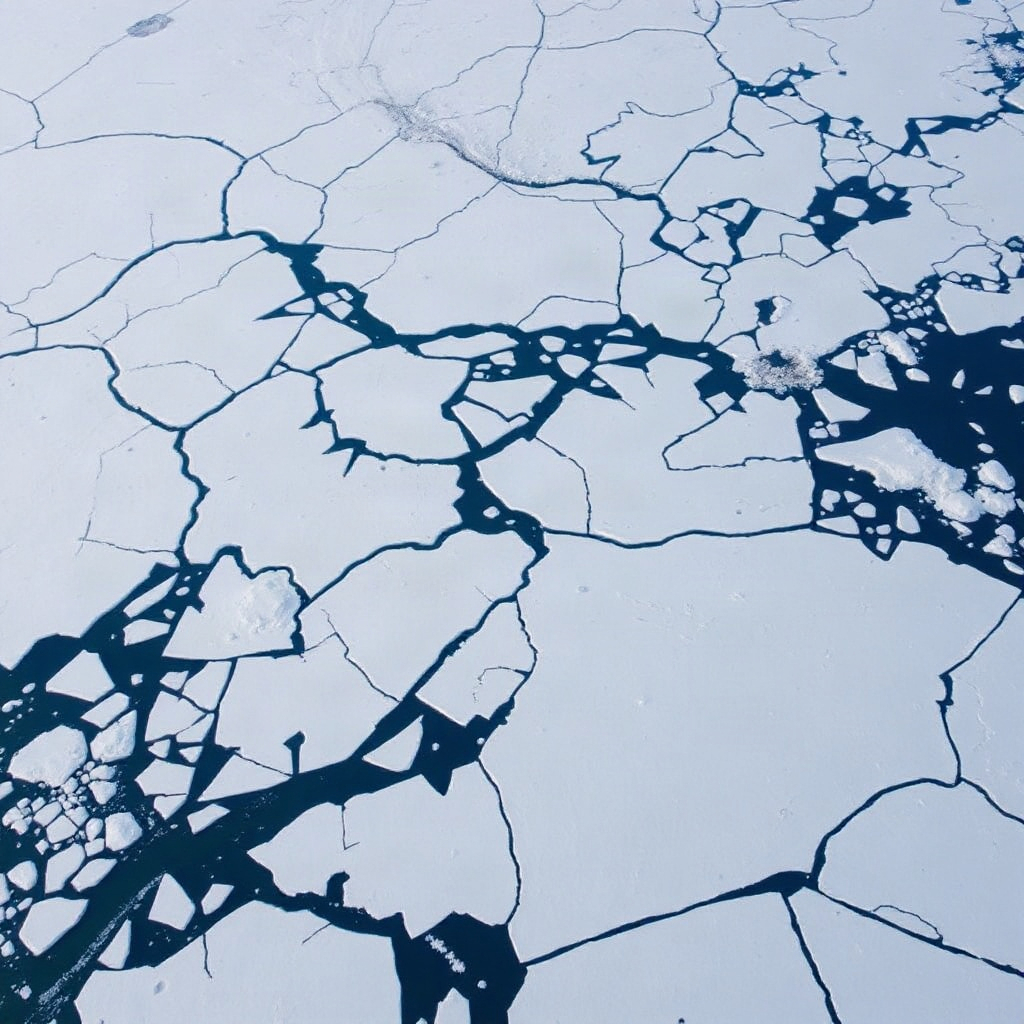
The Arctic region is a unique and fragile environment that is home to diverse ecosystems and indigenous communities. Effective governance of the Arctic is essential to ensure sustainable development and protection of the region’s resources. In this article, we will explore how Arctic governance works, focusing on the rules, institutions, and disputes that shape the governance of this important region.
Understanding Arctic Governance
Arctic governance refers to the mechanisms, processes, and institutions that govern the Arctic region. It involves a complex network of international agreements, treaties, and organizations that work together to address issues such as climate change, resource management, and indigenous rights. At the heart of Arctic governance is the Arctic Council, a high-level intergovernmental forum that promotes cooperation and coordination among the eight Arctic countries.
Rules and Regulations in the Arctic
One of the key aspects of Arctic governance is the establishment of rules and regulations that govern activities in the region. These rules cover a wide range of issues, including environmental protection, shipping regulations, and natural resource management. For example, the Polar Code is an international code of safety that sets out regulations for ships operating in polar waters to ensure the safety of both the crew and the environment.
Institutions Involved in Arctic Governance
Arctic governance involves a diverse range of institutions at both the national and international levels. In addition to the Arctic Council, other key institutions include the International Maritime Organization, the United Nations Environment Programme, and the Inuit Circumpolar Council. These institutions play a crucial role in shaping the governance of the Arctic and ensuring that the region is managed sustainably and responsibly.
Disputes in the Arctic
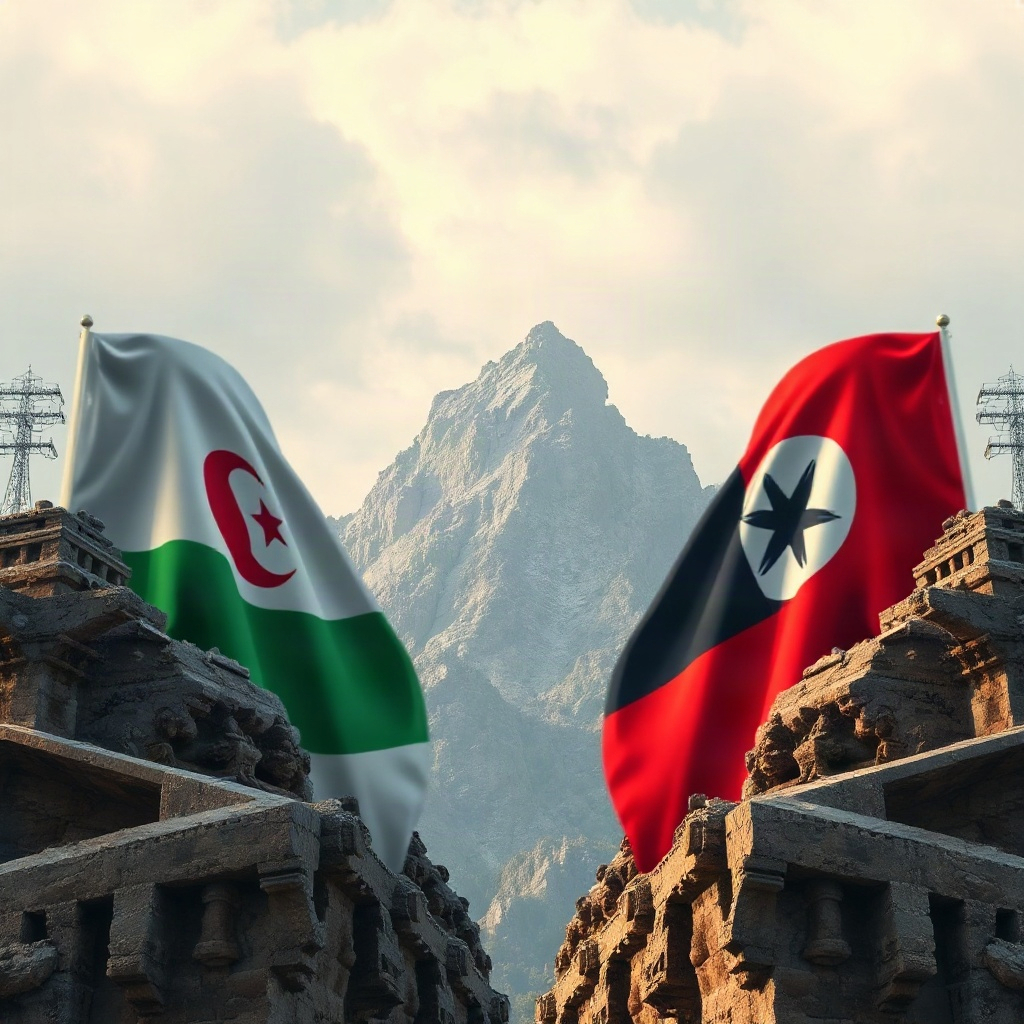
Despite efforts to promote cooperation and collaboration, disputes do arise in the Arctic region. These disputes can involve issues such as territorial claims, resource exploitation, and environmental protection. One notable example is the ongoing dispute between Russia and the other Arctic countries over the extent of their respective territorial waters in the Arctic Ocean. Resolving these disputes requires diplomacy, negotiation, and a commitment to peaceful coexistence.
Challenges and Opportunities in Arctic Governance
Arctic governance faces a number of challenges, including the impacts of climate change, the pressures of resource exploitation, and the need to protect indigenous rights. However, there are also opportunities to strengthen governance through increased cooperation, innovative solutions, and a commitment to sustainability. By working together, the Arctic countries can ensure that the region remains a peaceful, prosperous, and sustainable environment for future generations.