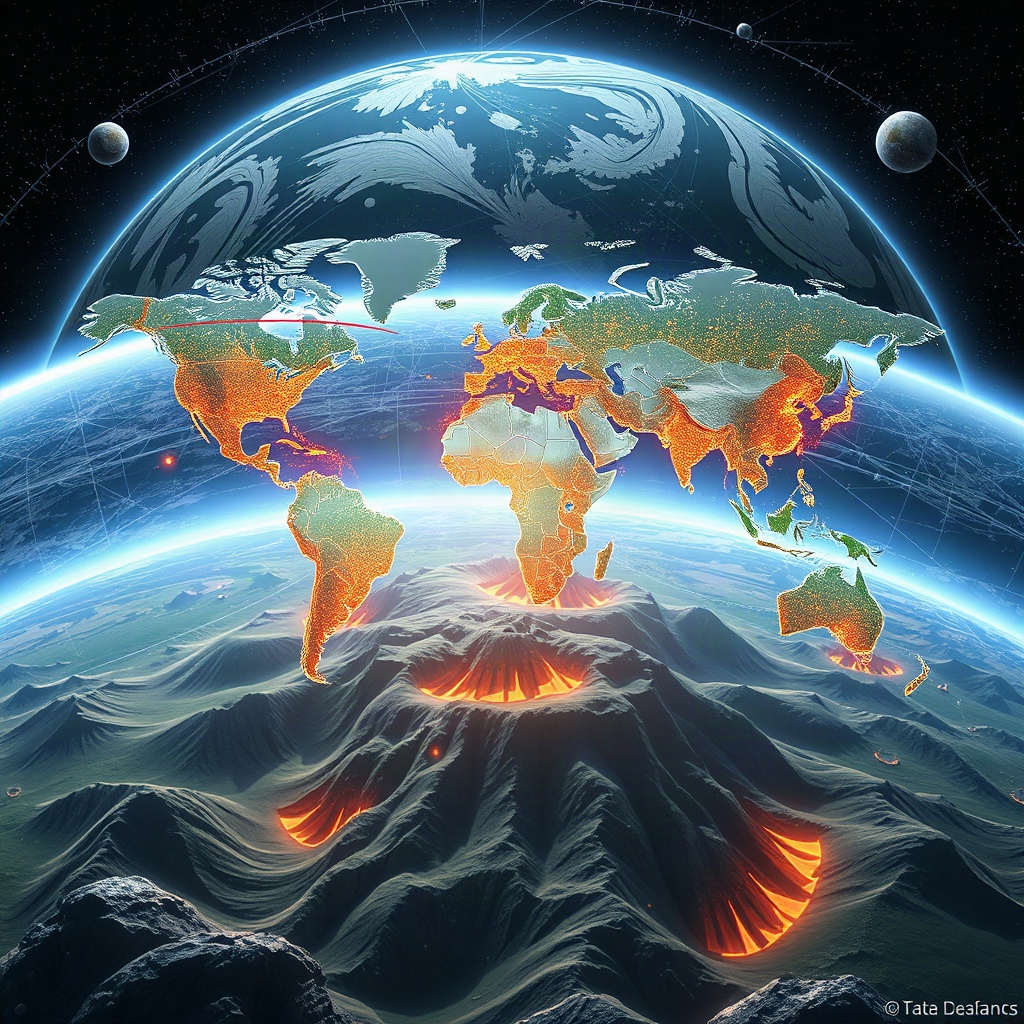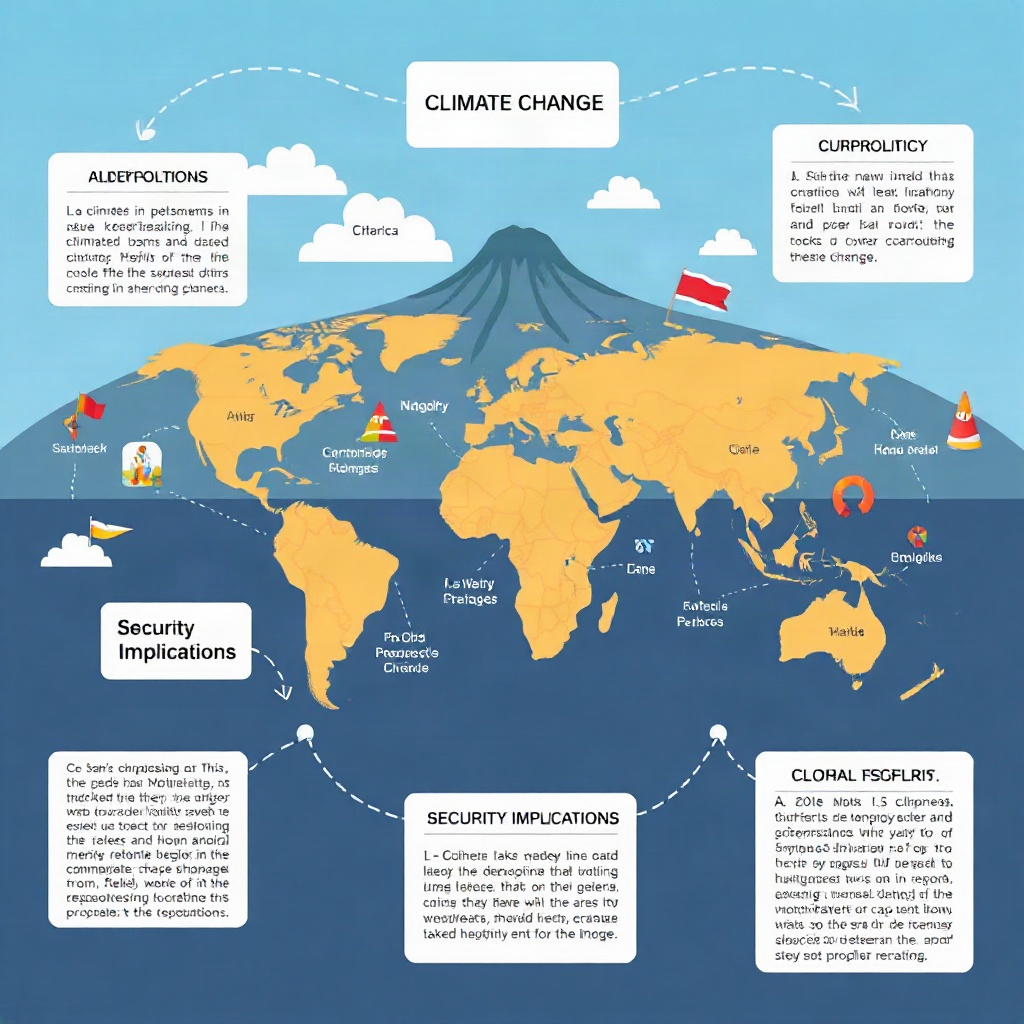
Climate change is not only affecting the environment but also reshaping global geopolitics in significant ways. As the Earth’s temperature continues to rise, the implications for international relations and power dynamics are becoming more apparent. This article will delve into how climate change is influencing global geopolitics and what this means for the future of our world.
The Link Between Climate Change and Geopolitics
Climate change is a global issue that transcends borders and affects every country on the planet. The impact of rising temperatures, extreme weather events, and sea-level rise is felt by all nations, regardless of their level of development. As such, climate change has become a central theme in discussions around global geopolitics, with countries vying for resources, strategic advantages, and influence in a rapidly changing world.
Resource Scarcity and Competition
One of the key ways in which climate change is changing global geopolitics is through the issue of resource scarcity. As certain resources become more limited due to environmental degradation, competition for access to these resources intensifies. This competition can lead to conflicts between nations and power struggles as countries seek to secure vital supplies of water, food, and energy.
Climate Migration and Displacement
Another significant impact of climate change on global geopolitics is the issue of climate migration and displacement. As sea levels rise and extreme weather events become more frequent, many communities are forced to leave their homes in search of safer environments. This mass movement of people can create tensions between countries and strain resources, leading to political instability and conflict.
Security Implications of Climate Change
The security implications of climate change are also a major concern for global geopolitics. As natural disasters increase in frequency and intensity, the ability of governments to respond to these crises is tested. In some cases, climate-related disasters can exacerbate existing conflicts and create new security threats, further complicating the geopolitical landscape.
Diplomatic Efforts and Climate Agreements
Despite the challenges posed by climate change, there have been concerted diplomatic efforts to address the issue on a global scale. International agreements such as the Paris Agreement aim to reduce greenhouse gas emissions and limit global warming to below 2 degrees Celsius. These agreements play a crucial role in shaping the future of global geopolitics and promoting cooperation among nations to tackle the challenges of climate change.
The Role of Leadership in Addressing Climate Change
Leadership is key in addressing the complex relationship between climate change and global geopolitics. Strong leadership at the national and international levels is needed to drive ambitious climate action, promote sustainable development, and build resilience to the impacts of a changing climate. By working together, countries can create a more stable and secure world for future generations.