GDP (Gross Domestic Product) and GNI (Gross National Income) are two key indicators used to measure the economic performance of a country. While both provide valuable insights into the health of an economy, they differ in their focus and calculation methods. In this analysis, we will explore the differences between GDP and GNI and what each measure reveals about the economic well-being of a nation.
Understanding GDP
GDP is a measure of the total economic output produced within a country’s borders over a specific period, usually a year. It includes the value of all goods and services produced by businesses and individuals, both domestically and internationally. GDP is often used as a primary indicator of a country’s economic health and is closely monitored by policymakers, investors, and economists.
The Components of GDP
GDP can be broken down into four main components: consumption, investment, government spending, and net exports. Consumption represents the total amount spent by households on goods and services, while investment includes spending on business equipment, structures, and residential construction. Government spending includes expenditures on goods and services by federal, state, and local governments. Net exports reflect the difference between a country’s exports and imports.
Limitations of GDP
While GDP is a widely used measure of economic activity, it has certain limitations. For example, GDP does not account for income distribution within a country, so it may not accurately reflect the well-being of all citizens. Additionally, GDP does not consider the impact of environmental degradation or the value of unpaid work, such as household chores. As a result, some economists argue that GDP alone may not provide a comprehensive view of an economy.
Introducing GNI
GNI, on the other hand, takes into account not only the economic output produced within a country but also the income earned by its residents, both domestically and abroad. GNI includes GDP plus net income from foreign sources, such as remittances, dividends, and interest. By incorporating income earned by citizens outside the country and deducting income earned by foreign residents within the country, GNI provides a more comprehensive picture of a nation’s economic well-being.
Contrasting GDP and GNI
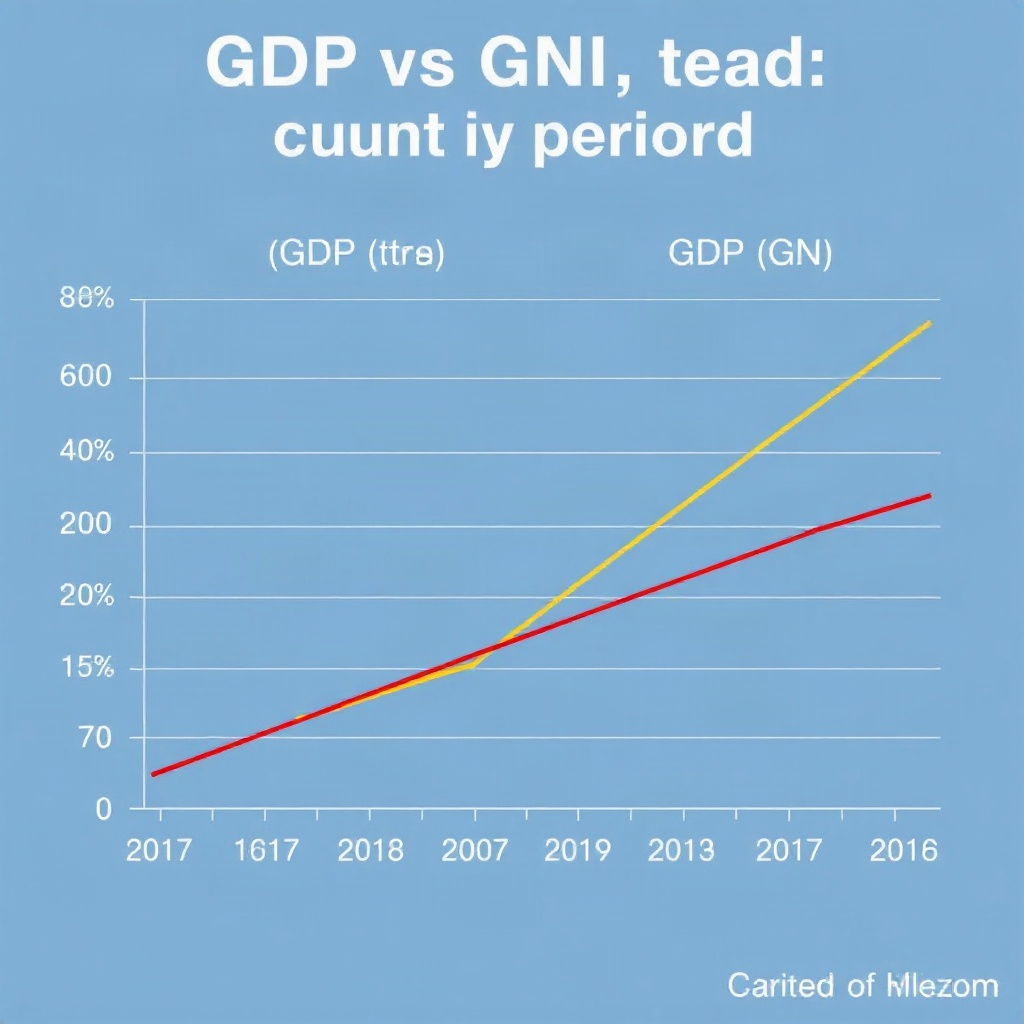
One key difference between GDP and GNI is how they treat income earned by foreign residents within a country. While GDP only considers the value of goods and services produced within the country’s borders, GNI includes income earned by residents regardless of where they are located. This distinction is important for countries with significant foreign investment or a large number of citizens working abroad.
Interpreting the Data
When comparing GDP and GNI figures, it is essential to consider the specific circumstances of each country. A high GDP relative to GNI may indicate that a country is a net creditor to the rest of the world, with more income flowing in from abroad than going out. Conversely, a low GDP relative to GNI may suggest that a country is a net debtor, with more income leaving the country than coming in. By analyzing both GDP and GNI, policymakers can gain a more nuanced understanding of their country’s economic position.
In conclusion, GDP and GNI are both valuable measures of economic performance, each providing unique insights into the health of an economy. While GDP focuses on domestic production, GNI offers a broader perspective by including income earned by residents both at home and abroad. By considering both measures, policymakers and economists can make more informed decisions about the best course of action to promote economic growth and prosperity.