Briefings

Global Economy Explained: How Trade, Production, and Consumption Connect

The global economy is a complex system that involves the interconnection of various factors such as trade, production, and consumption. Understanding how these components are linked is crucial in comprehending the dynamics of the modern economic landscape.

The Importance of Trade in the Global Economy

Trade plays a vital role in the global economy by facilitating the exchange of goods and services between countries. It allows nations to specialize in the production of goods where they have a comparative advantage, leading to increased efficiency and overall economic growth. International trade also promotes competition, innovation, and the transfer of technology, benefiting both consumers and producers.

The Role of Production in Economic Development

Production is the process of transforming inputs into outputs, including goods and services. In the global economy, production is a key driver of economic development, as it generates income, creates employment opportunities, and contributes to the overall wealth of nations. Factors such as technological advancements, infrastructure, and human capital play a significant role in enhancing production efficiency and competitiveness on a global scale.

The Impact of Consumption Patterns on the Economy

Consumption is the final stage in the economic cycle, where individuals and households purchase goods and services to satisfy their needs and wants. Consumer spending is a major driver of economic growth, as it accounts for a significant portion of aggregate demand. Understanding consumer behavior and consumption patterns is essential for businesses to anticipate market trends, adjust their production levels, and develop effective marketing strategies to meet consumer demands.

The Interconnectedness of Trade Production and Consumption

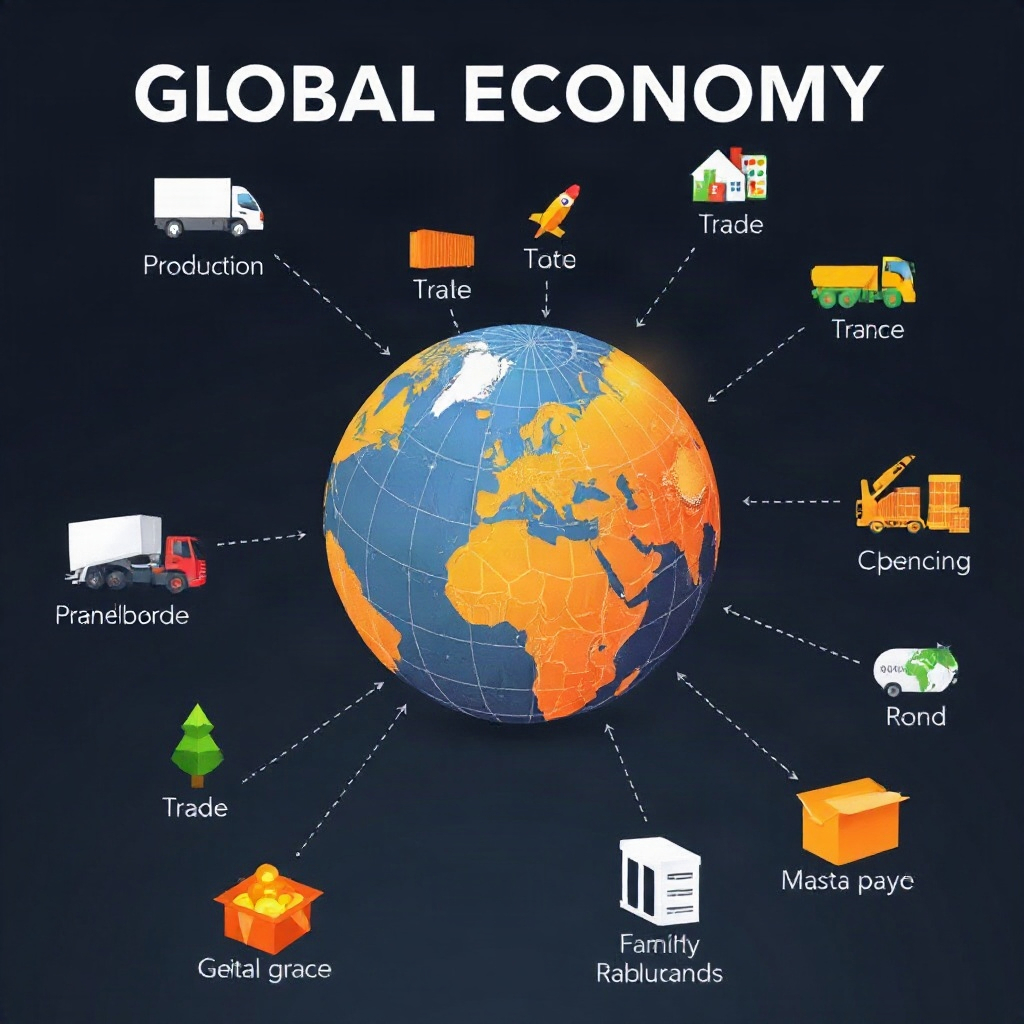
The relationship between trade, production, and consumption is interconnected and symbiotic. International trade influences production decisions by creating demand for goods and services, while production levels impact trade flows and consumption patterns. Changes in consumer preferences can also drive shifts in production processes and trade dynamics, highlighting the complex interplay between these three components in the global economy.

Challenges and Opportunities in the Global Economic System

Despite the benefits of trade, production, and consumption, the global economy faces various challenges such as trade disputes, economic instability, and environmental concerns. Addressing these challenges requires coordinated efforts from policymakers, businesses, and international organizations to promote sustainable economic growth, reduce inequality, and mitigate the adverse effects of globalization. Embracing technological advancements, fostering innovation, and promoting inclusive economic policies can create opportunities for economic development and prosperity on a global scale.

Related Articles

Leave a Reply

Your email address will not be published. Required fields are marked *

Analysis

Global Economy Explained: How Trade, Production, and Consumption Connect

In today’s interconnected world, the global economy plays a vital role in shaping the lives of individuals and nations alike. Understanding how trade, production, and consumption are all interconnected is crucial for grasping the complexities of the modern economic landscape. In this article, we will delve into the intricate web that connects these three key components of the global economy, exploring the dynamics at play and the impact they have on our daily lives.

The Basics of Trade

Trade forms the foundation of the global economy, facilitating the exchange of goods and services between nations. From ancient Silk Roads to modern-day supply chains, trade has always been a driving force behind economic growth and development. The intricate web of trade agreements, tariffs, and regulations shapes the flow of goods across borders, influencing everything from prices to availability.

The Role of Production

Production is the engine that drives the global economy, converting raw materials into finished goods ready for consumption. From factories churning out automobiles to farms producing crops, production is a key component of the economic cycle. The efficiency of production processes, technological advancements, and labor practices all play a role in shaping the global economy.

Understanding Consumption Patterns

Consumption is the final piece of the economic puzzle, representing the end goal of trade and production. How individuals and societies choose to spend their money has a direct impact on the overall economy. From luxury goods to basic necessities, consumption patterns vary across cultures and regions, reflecting a complex interplay of social, economic, and environmental factors.

The Impact of Globalization

Globalization has transformed the way trade, production, and consumption interact on a global scale. The rise of multinational corporations, advances in technology, and shifting consumer preferences have all contributed to a more interconnected world. As goods flow freely across borders and supply chains span continents, the global economy has become increasingly complex and interdependent.

Sustainable Practices in Trade

Sustainability has become a key consideration in modern trade practices, as concerns about the environment and social responsibility take center stage. From fair trade certifications to eco-friendly packaging, consumers are increasingly demanding ethical and sustainable products. Balancing economic growth with environmental stewardship is a delicate dance that requires cooperation and innovation.

The Future of Production

The future of production is being shaped by technological advancements such as automation, artificial intelligence, and the Internet of Things. Smart factories and digital supply chains are revolutionizing the way goods are produced and distributed, leading to greater efficiency and customization. As the Fourth Industrial Revolution unfolds, the landscape of production is set to undergo significant changes.

Consumer Behavior in a Digital Age

The digital age has transformed consumer behavior, giving rise to online shopping, personalized marketing, and instant gratification. E-commerce platforms and social media influencers play a key role in shaping consumer preferences and driving purchasing decisions. Understanding the psychology of consumer behavior in a digital age is essential for businesses looking to thrive in a rapidly evolving marketplace.

Trade Wars and Economic Uncertainty

Trade wars, geopolitical tensions, and economic uncertainty have all contributed to a volatile global economy in recent years. Tariffs, sanctions, and trade disputes have disrupted supply chains and shaken investor confidence, leading to fluctuations in stock markets and currencies. Navigating the waters of international trade requires a keen understanding of political dynamics and economic trends.

The Role of International Organizations

International organizations such as the World Trade Organization, International Monetary Fund, and World Bank play a crucial role in regulating and facilitating global trade. From setting trade rules to providing financial assistance, these institutions help maintain stability and address economic challenges on a global scale. Collaboration between nations and international organizations is essential for fostering economic growth and prosperity.

Consumer Trends in a Post-Pandemic World

The COVID-19 pandemic has had a profound impact on consumer trends, reshaping the way we shop, work, and live. From the rise of remote work to the surge in online shopping, the pandemic has accelerated existing trends and prompted new ways of thinking about consumption. Adapting to the post-pandemic world requires flexibility, innovation, and a deep understanding of changing consumer behaviors.

The Interconnectedness of Trade Production and Consumption

Trade, production, and consumption are deeply interconnected, forming a complex web of economic activity that shapes the world we live in. From the products we buy to the jobs we hold, these three components of the global economy influence every aspect of our lives. By understanding the dynamics at play and the impact of our choices, we can navigate the complexities of the global economy with clarity and insight.

Related Articles

Leave a Reply

Your email address will not be published. Required fields are marked *

Back to top button