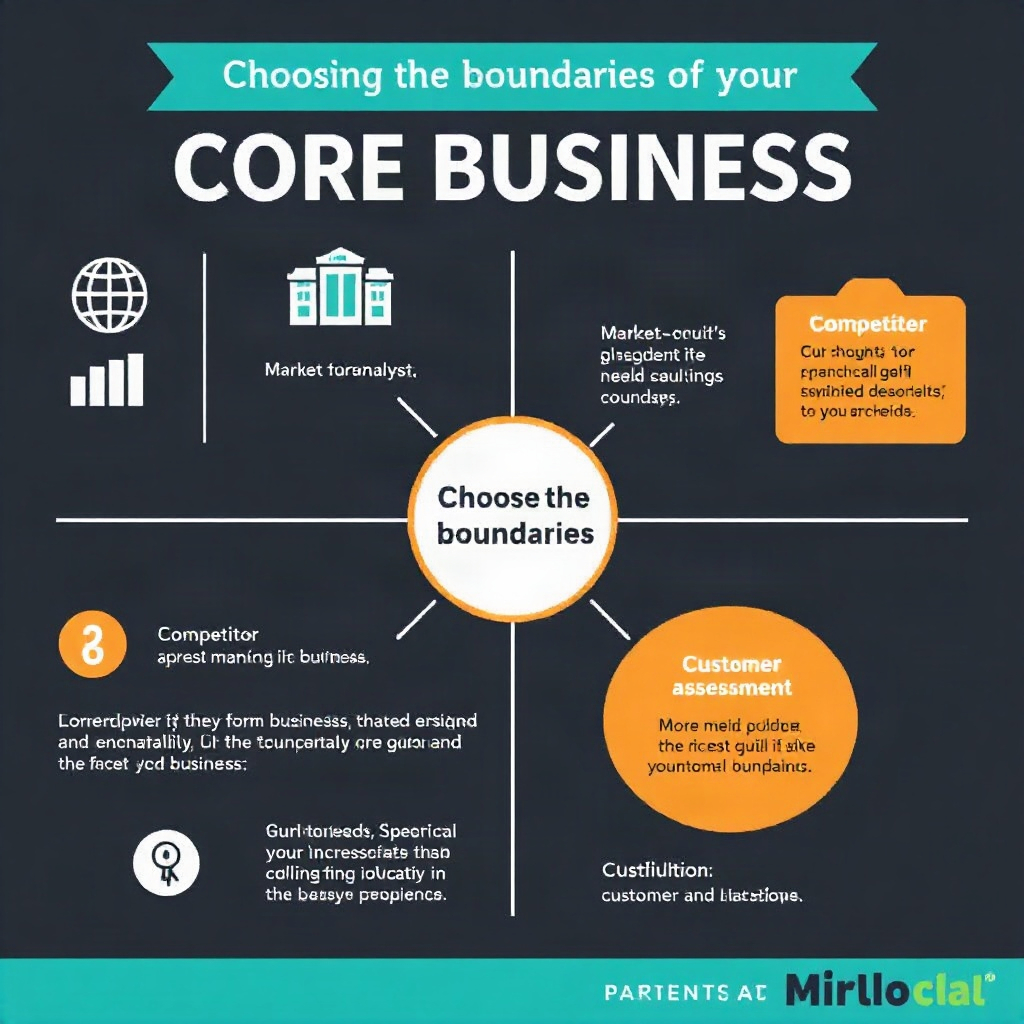
In today’s fast-paced business world, establishing the boundaries of your core business is crucial for long-term success. This strategic decision can make or break your company’s growth and profitability. In this blog post, we will discuss how to effectively choose the boundaries of your core business to maximize your competitive advantage and achieve sustainable growth.
Defining Your Core Business
Before you can set boundaries for your core business, you need to clearly define what your core business actually is. Your core business is the main activity or set of activities that generate the majority of your revenue and profit. It’s what sets you apart from your competitors and forms the foundation of your company’s identity.
Analyzing Market Trends
To choose the boundaries of your core business, you need to stay informed about market trends and industry developments. Conducting thorough market research will help you identify opportunities for expansion and potential threats to your existing business. By understanding the market landscape, you can make informed decisions about where to focus your resources.
Assessing Your Competitors
Competitor analysis is a key component of defining your core business boundaries. By studying your competitors’ strengths and weaknesses, you can identify gaps in the market that your company can fill. This competitive intelligence will help you differentiate your offerings and position your business for success in a crowded marketplace.
Identifying Customer Needs
At the heart of every successful business is a deep understanding of customer needs and preferences. By conducting customer surveys, market research, and focus groups, you can gather valuable insights into what your target audience wants. Use this information to tailor your products and services to meet customer expectations and stay ahead of the competition.
Setting Clear Objectives
When choosing the boundaries of your core business, it’s essential to set clear objectives for growth and expansion. Define specific, measurable goals that align with your overall business strategy. Whether you aim to increase market share, launch new products, or enter new markets, your objectives should guide your decision-making process.
Implementing a Flexible Strategy
In today’s dynamic business environment, flexibility is key to staying competitive. As you define the boundaries of your core business, be prepared to adapt and pivot as market conditions change. A flexible strategy allows you to respond quickly to emerging opportunities and challenges, ensuring your long-term success.
Monitoring and Adjusting
Once you have established the boundaries of your core business, it’s important to continuously monitor performance and make adjustments as needed. Regularly review key performance indicators, market trends, and competitive landscape to ensure your business remains on track. By staying agile and responsive, you can maintain a competitive edge in the marketplace.