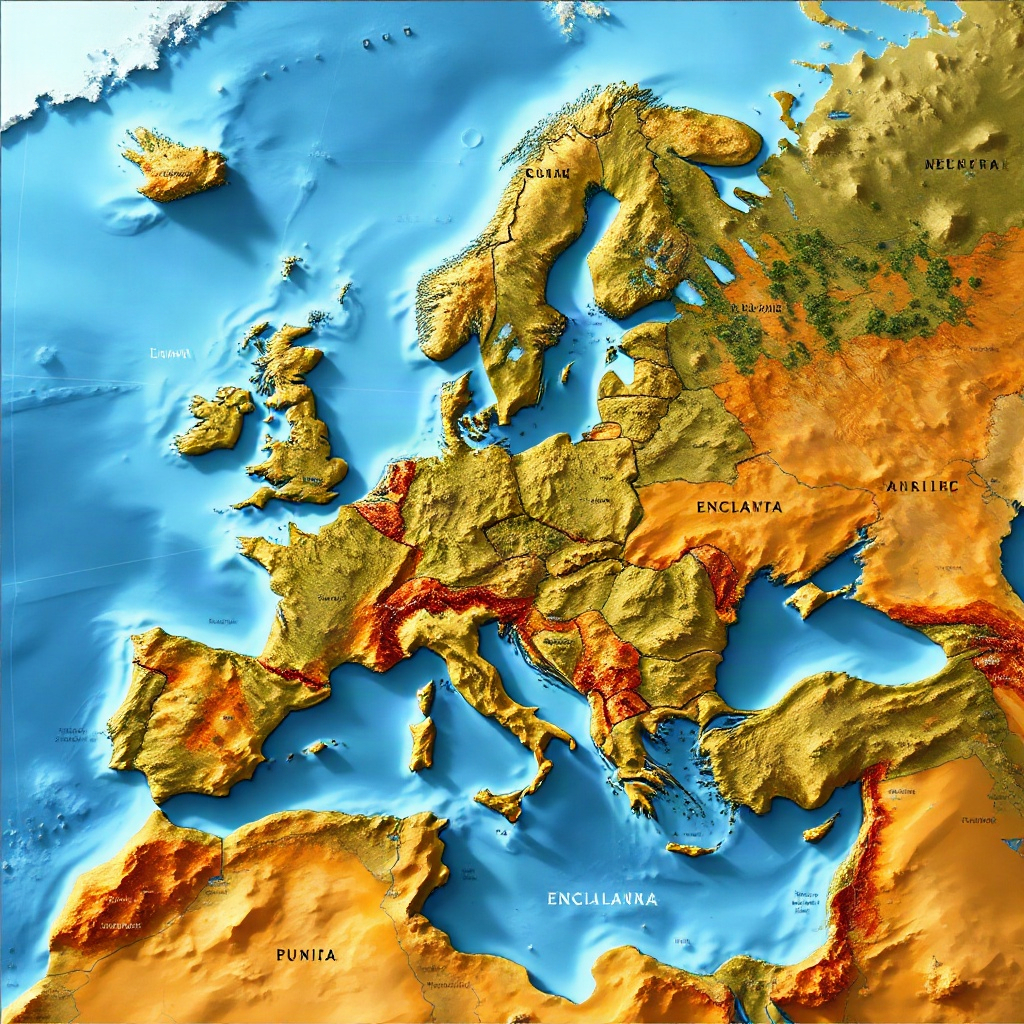
Enclaves and exclaves play a crucial role in international politics, shaping diplomatic relations, territorial disputes, and national identities. Understanding the significance of these geographical entities is essential for comprehending the complexities of global politics. In this article, we will explore why enclaves and exclaves matter in international politics and how they impact the dynamics of power and conflict between nations.
The Definition and Importance of Enclaves and Exclaves
Enclaves and exclaves are distinct territorial units that are surrounded by the territory of another state. Enclaves are territories completely surrounded by a foreign territory, while exclaves are territories that are separated from the main territory of a state by the territory of another state. These unique geographical entities have historical, political, and strategic significance, often serving as flashpoints for conflicts and disputes between nations.
Historical Examples of Enclaves and Exclaves in International Politics
Throughout history, enclaves and exclaves have played a significant role in shaping the geopolitical landscape of various regions. Examples such as the Spanish enclaves of Ceuta and Melilla in Northern Africa, the Kaliningrad exclave of Russia, and the disputed Kashmir region between India and Pakistan highlight the complex nature of territorial disputes and the strategic importance of these territories in international relations.
The Strategic Value of Enclaves and Exclaves in Modern Diplomacy
In the contemporary world, enclaves and exclaves continue to hold strategic value for nations seeking to assert their influence and control over key territories. The control of enclaves and exclaves can provide nations with strategic advantages in terms of military positioning, resource access, and geopolitical influence, making them valuable assets in the pursuit of national interests.
The Role of Enclaves and Exclaves in Border Disputes and Territorial Claims
Enclaves and exclaves often serve as focal points for border disputes and territorial claims between neighboring states. The conflicting claims over the sovereignty of these territories can lead to diplomatic tensions, military standoffs, and even armed conflicts, highlighting the contentious nature of territorial disputes in international politics.
The Impact of Enclaves and Exclaves on National Identity and Sovereignty
The presence of enclaves and exclaves within a nation’s territory can have profound implications for its national identity and sovereignty. The disputed status of these territories can challenge the legitimacy of a state’s borders and raise questions about its territorial integrity, leading to internal divisions and external challenges to its sovereignty.
Conclusion Navigating the Complexities of Enclaves and Exclaves in International Politics
In conclusion, enclaves and exclaves are critical elements of international politics that shape the dynamics of power, conflict, and diplomacy between nations. Understanding the historical, strategic, and diplomatic significance of these territories is essential for navigating the complexities of modern geopolitics and addressing the challenges posed by territorial disputes and sovereignty issues.