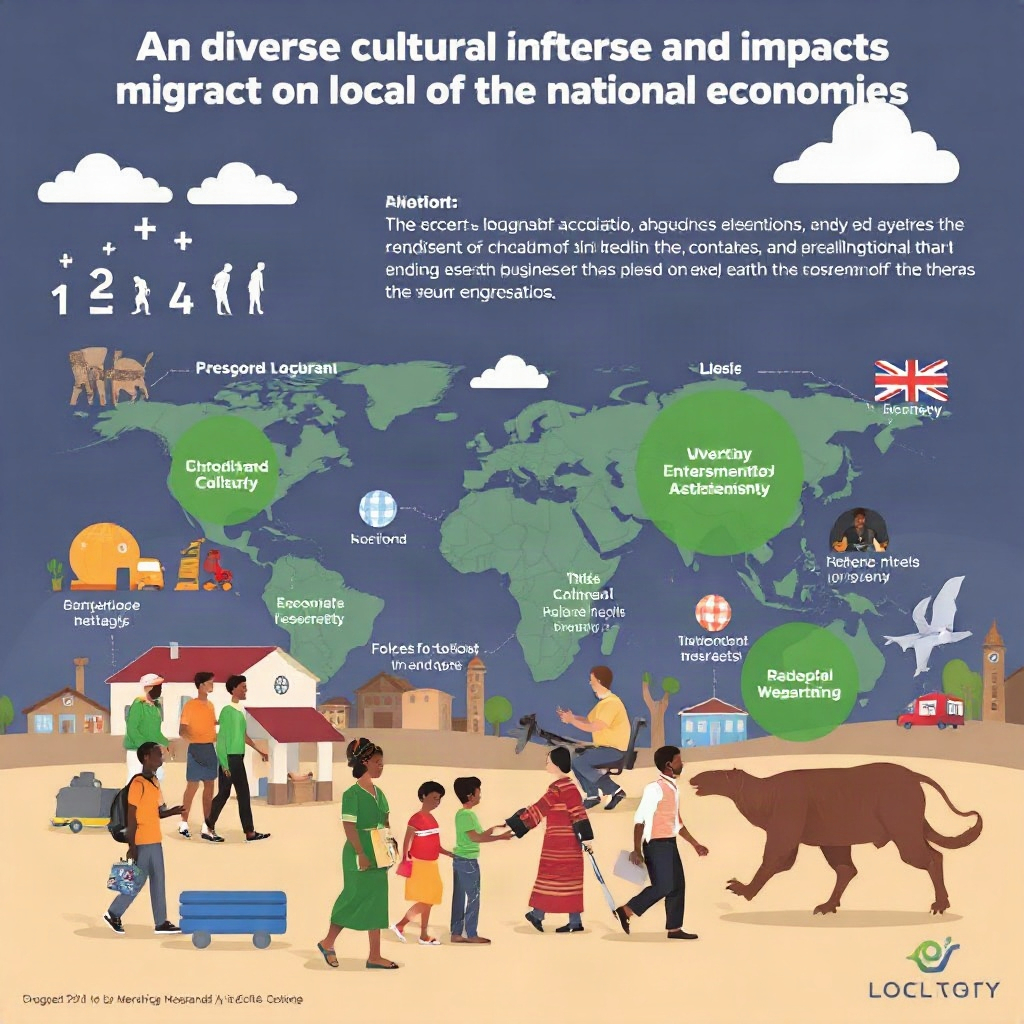
Migration has been a fundamental aspect of human history, shaping societies and economies across the globe. In today’s interconnected world, the movement of people not only impacts the social fabric of communities but also plays a significant role in shaping local and national economies. Understanding the intricate relationship between migration and economies is crucial for policymakers, businesses, and individuals alike.
The Economic Impact of Migration on Local Communities
Migration can have a profound impact on local communities, influencing various economic factors such as labor markets, consumer spending, and business development. When migrants move to a new area, they bring with them diverse skills and experiences that can contribute to the local workforce. This influx of human capital can stimulate economic growth, create new job opportunities, and enhance productivity in the region.
The Role of Remittances in Supporting Local Economies
One key way in which migration influences local economies is through remittances. When migrants send money back to their home countries, they provide essential financial support to their families and communities. These remittances can boost consumer spending, drive investment in local businesses, and help alleviate poverty in migrant-sending regions. As such, remittances play a crucial role in sustaining the economic well-being of both migrants and their home communities.
Challenges and Opportunities for Local Businesses
While migration can bring about economic benefits for local communities, it also presents challenges for businesses operating in these areas. Competition for jobs, cultural differences, and language barriers are some of the obstacles that businesses may face when catering to migrant populations. However, businesses that successfully adapt to the needs and preferences of migrants can tap into new markets, diversify their customer base, and drive innovation in their industries.
Government Policies and Economic Development
Government policies play a vital role in shaping the economic impact of migration at both the local and national levels. By implementing immigration policies that attract skilled workers, foster social integration, and protect the rights of migrants, governments can harness the economic potential of migration for sustainable development. Additionally, investing in education and training programs for migrants can help them integrate into the labor market and contribute to the overall economic prosperity of the country.
Harnessing the Potential of Migration for National Growth
Migration not only influences local economies but also has broader implications for national economic development. By embracing diversity, fostering a welcoming environment for migrants, and promoting social cohesion, countries can leverage the talents and contributions of migrants to drive innovation, entrepreneurship, and economic growth. Embracing a comprehensive approach to migration that emphasizes inclusivity and equality can lead to a more resilient and prosperous economy for all.
The Future of Migration and Economic Progress
As globalization continues to shape the world we live in, migration will remain a key driver of economic progress and social change. By recognizing the economic benefits of migration, addressing the challenges it poses, and adopting policies that promote inclusive growth, societies can create a more sustainable and equitable future for all. By harnessing the potential of migration, we can build stronger, more vibrant economies that benefit both local communities and the nation as a whole.