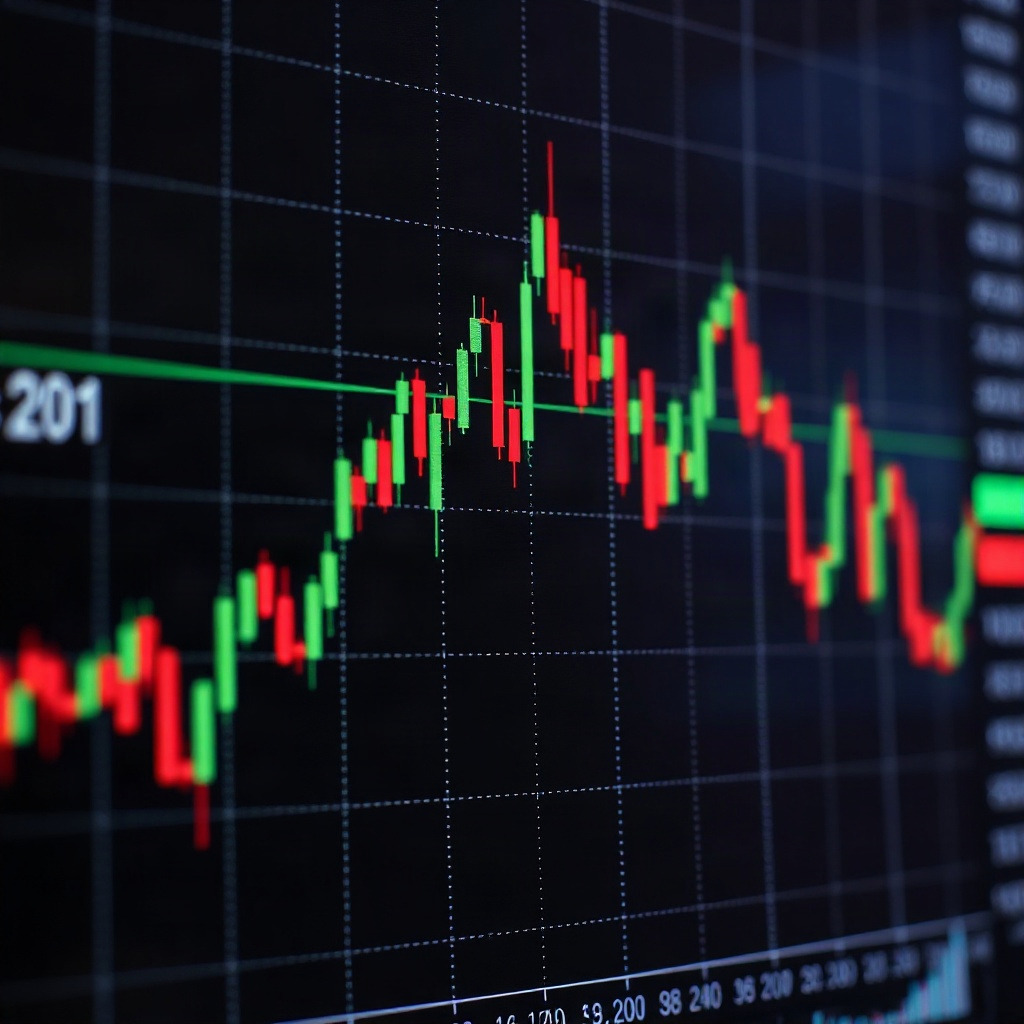
Trading volume is a crucial indicator in the world of finance. It provides valuable insights into the strength and sustainability of price movements in various financial markets. By analyzing trading volume, investors and traders can confirm or challenge the significance of a price move. In this article, we will explore how trading volume plays a key role in validating or questioning price trends.
The Importance of Trading Volume
Trading volume refers to the total number of shares or contracts traded in a security or market during a given period. It is an essential component of technical analysis, as it helps traders gauge the level of interest or participation in a particular asset. High trading volume often indicates strong investor interest and conviction in a price move, while low volume may suggest a lack of enthusiasm or commitment.
Confirming Price Moves with Trading Volume
One of the primary ways in which trading volume can confirm a price move is through the concept of volume confirmation. When a security experiences a significant price increase accompanied by above-average trading volume, it is considered a bullish signal. This suggests that there is broad market participation in the price rally, lending credibility to the uptrend. Conversely, a price decline on high volume could confirm a bearish trend, indicating widespread selling pressure.
Challenging Price Moves with Trading Volume
On the other hand, trading volume can also challenge the validity of a price move. For instance, if a security undergoes a substantial price change on low volume, it may raise doubts about the sustainability of the trend. This divergence between price action and volume could signal a lack of conviction among market participants, potentially leading to a reversal or correction in the price.
Interpreting Volume Patterns
In addition to confirming or challenging price moves, traders can analyze volume patterns to gain further insights into market dynamics. For example, a surge in trading volume following a period of consolidation could indicate a breakout or breakdown in the price. Similarly, declining volume during a trend reversal might suggest weakening momentum and a potential trend change.
Using Volume Indicators
To enhance their analysis, traders often utilize volume indicators such as the volume-weighted average price (VWAP) or on-balance volume (OBV). These tools help traders assess the relationship between price and volume, providing additional confirmation or divergence signals. By combining volume indicators with price analysis, traders can make more informed decisions and improve their trading strategies.
Conclusion
In conclusion, trading volume is a powerful tool for confirming or challenging price moves in the financial markets. By paying close attention to volume levels and patterns, traders can better understand market dynamics and make informed trading decisions. Whether confirming a bullish trend or questioning a bearish reversal, trading volume provides valuable insights that can help traders navigate the complexities of the market.