In today’s digital world, where cyber threats are on the rise, ensuring the security of our online accounts has never been more crucial. One of the most effective ways to enhance security is through the implementation of Multi-Factor Authentication (MFA). This article will delve into how Multi-Factor Authentication works and explore the various methods that are considered safer for protecting your sensitive information.
How Multi-Factor Authentication Works
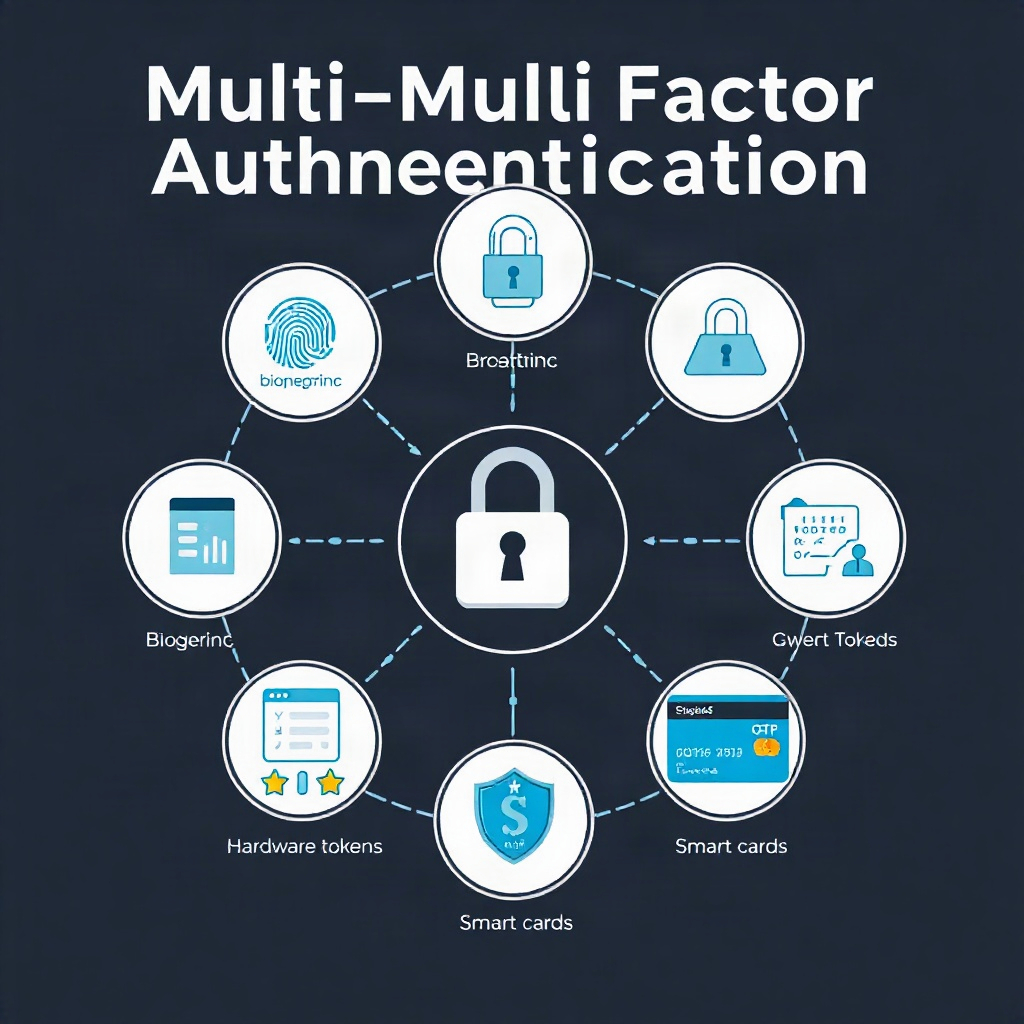
Multi-Factor Authentication adds an extra layer of security by requiring users to provide multiple forms of identification before granting access to an account. Typically, this involves something you know (like a password), something you have (such as a mobile device), and something you are (like a fingerprint or facial recognition). By combining these factors, MFA greatly reduces the risk of unauthorized access, even if one factor is compromised.
Types of Multi-Factor Authentication Methods
1. Biometric Authentication
Biometric authentication uses unique biological characteristics, such as fingerprints, iris scans, or facial recognition, to verify a user’s identity. These methods are considered highly secure as they are difficult to replicate or spoof.
2. One-Time Passwords (OTP)
OTP involves the use of a temporary code that is sent to the user’s mobile device or email. This code is valid for a single login session and adds an extra layer of security beyond traditional passwords.
3. Hardware Tokens
Hardware tokens are physical devices that generate a unique code for each login attempt. These tokens are considered secure as they are not susceptible to phishing attacks or malware.
4. Push Notifications
With push notifications, users receive a notification on their mobile device prompting them to approve or deny a login attempt. This method is convenient and secure, as it requires user interaction to complete the authentication process.
5. Smart Cards
Smart cards contain embedded chips that store user credentials. These cards are inserted into a card reader to authenticate the user’s identity, adding an extra layer of security to the login process.
6. SMS Authentication
SMS authentication involves sending a one-time code to the user’s mobile phone via text message. While widely used, this method is vulnerable to SIM swap attacks and interception.
7. Knowledge-Based Authentication
Knowledge-based authentication relies on personal information that only the user should know, such as the answer to a security question. While easy to implement, this method is considered less secure due to the risk of social engineering attacks.
In conclusion, Multi-Factor Authentication is an essential tool for protecting your online accounts from unauthorized access. By understanding how MFA works and choosing the right authentication methods, you can significantly enhance the security of your sensitive information.