National income and disposable income are two key concepts in economics that are often confused or used interchangeably. In this practical guide, we will explore the difference between these two types of income and how they impact individuals and the economy as a whole.
Understanding National Income
National income refers to the total income earned by a country’s residents, including both individuals and businesses, over a specific period of time. This includes wages, profits, rents, and taxes. National income is a measure of the overall economic activity within a country and is often used to gauge the health of an economy.
National income is calculated using various methods, such as the income approach, expenditure approach, and production approach. These methods help economists determine the total value of goods and services produced within a country’s borders.
Explaining Disposable Income
On the other hand, disposable income is the amount of money that individuals have available to spend or save after taxes have been deducted. It represents the actual money that households can use for consumption or investment purposes. Disposable income is a key indicator of an individual’s standard of living and economic well-being.
Disposable income is calculated by subtracting taxes from gross income and adding any government transfers, such as social security payments or unemployment benefits. It is important to note that disposable income does not take into account savings or debt repayments.
Key Differences
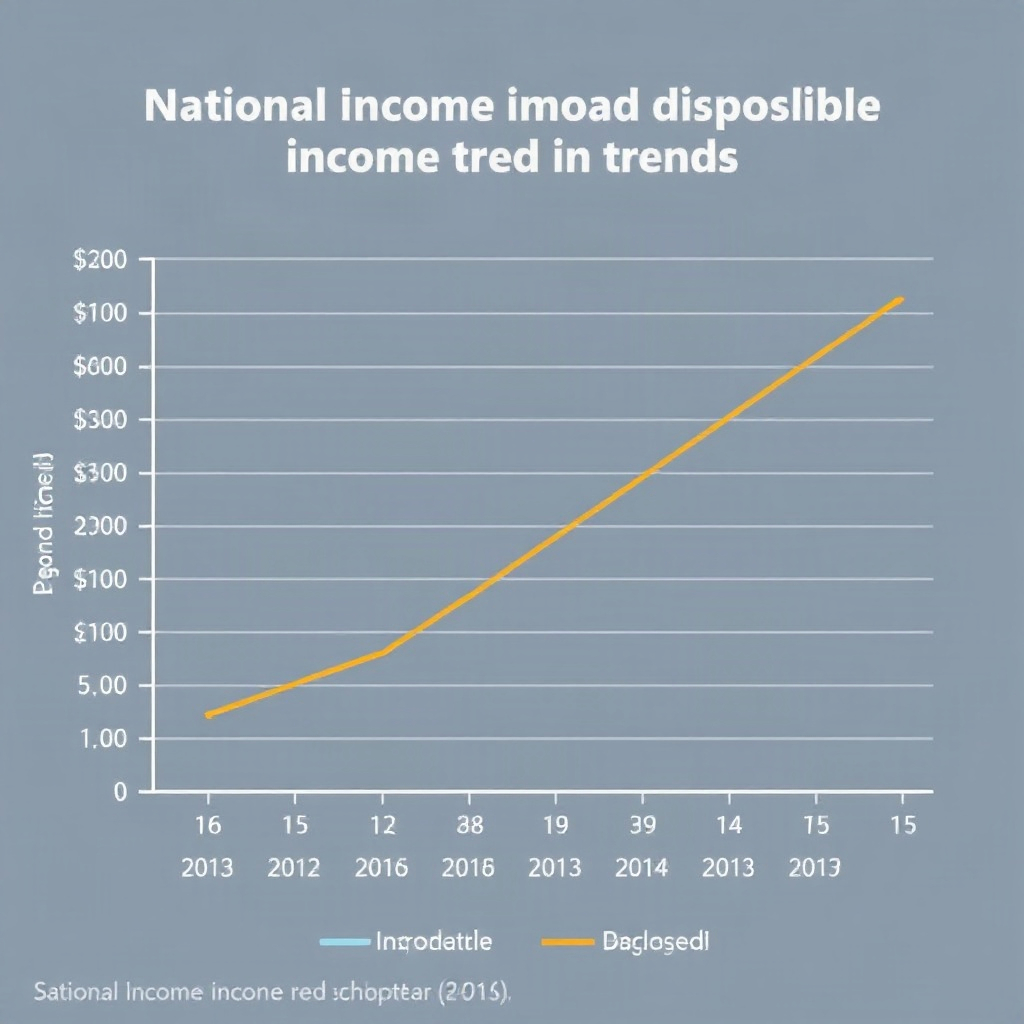
The main difference between national income and disposable income lies in their scope and purpose. National income measures the total economic output of a country, while disposable income focuses on the income available to individuals for personal use. National income is a macroeconomic concept, while disposable income is a microeconomic concept.
Another key difference is that national income includes income earned by both individuals and businesses, while disposable income only considers income available to individuals. National income reflects the overall economic performance of a country, while disposable income provides insight into consumer spending patterns and behavior.
Impact on the Economy
National income and disposable income play crucial roles in shaping economic policies and decision-making. Governments use national income data to assess economic growth, income distribution, and overall prosperity. Policies such as tax rates, social welfare programs, and government spending are influenced by national income levels.
On the other hand, disposable income influences consumer behavior, saving rates, and investment decisions. Changes in disposable income can impact consumer spending, which in turn affects businesses and the overall economy. Understanding the relationship between national income and disposable income is essential for policymakers, economists, and individuals alike.
Conclusion
In conclusion, national income and disposable income are two distinct concepts that provide valuable insights into the economic well-being of a country and its residents. While national income measures the total economic output of a nation, disposable income represents the income available to individuals for personal use. By understanding the differences between these two types of income, we can gain a better understanding of how economic policies and individual choices impact the overall economy.