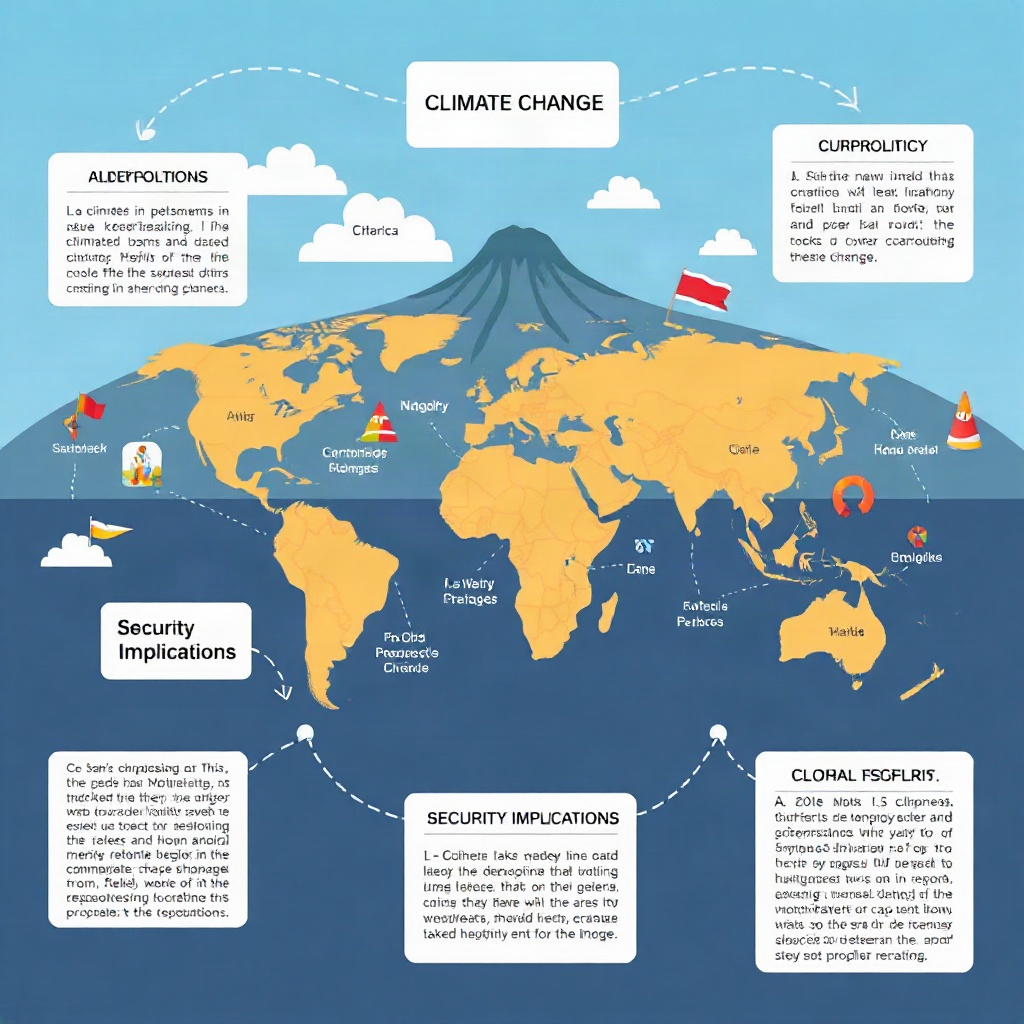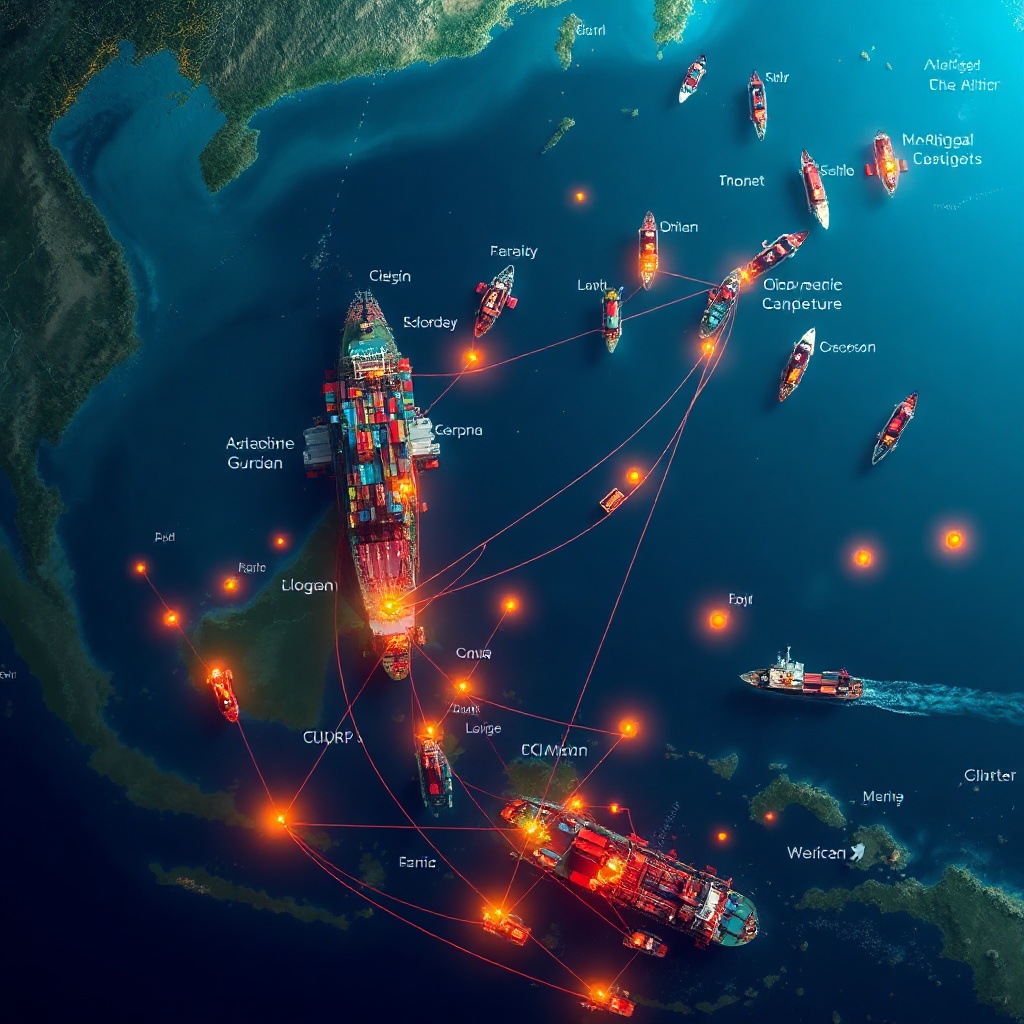
Supply chains have always played a crucial role in the global economy, but in recent years, they have become a major geopolitical issue. This shift has been driven by various factors such as trade wars, geopolitical tensions, and the ongoing COVID-19 pandemic. In this article, we will explore how supply chains have evolved into a geopolitical issue and the implications for businesses and governments around the world.
The Impact of Trade Wars on Supply Chains
Trade wars between major economies have had a significant impact on global supply chains. The imposition of tariffs and trade barriers has disrupted the flow of goods and services, leading to increased costs and delays in production. Companies have had to re-evaluate their supply chain strategies to mitigate risks and ensure continuity in their operations.
Geopolitical Tensions and Supply Chain Vulnerabilities
Geopolitical tensions between countries have exposed vulnerabilities in supply chains, particularly in industries that rely heavily on imports from specific regions. The dependence on a single source for critical components or raw materials has raised concerns about supply chain resilience and security. Governments are now looking to diversify supply chains and reduce reliance on countries that pose geopolitical risks.
The Role of Technology in Supply Chain Management
Advancements in technology have revolutionized supply chain management, offering new solutions to enhance efficiency and transparency. Technologies such as blockchain, IoT, and artificial intelligence are being used to track and monitor supply chain operations in real-time. These innovations are helping companies optimize their supply chains, improve visibility, and mitigate risks associated with geopolitical disruptions.
Supply Chain Localization and Resilience
In response to geopolitical uncertainties, many companies are now considering localization strategies to reduce risks and enhance supply chain resilience. By bringing production closer to home or diversifying sourcing options, companies can minimize the impact of geopolitical events on their operations. This trend towards supply chain localization is expected to continue as companies prioritize resilience and agility in a volatile geopolitical environment.
The Role of Government Policies in Supply Chain Resilience
Governments play a crucial role in shaping supply chain resilience through policies that promote local manufacturing, trade agreements, and investment in infrastructure. By fostering a conducive business environment, governments can support companies in building robust and resilient supply chains that can withstand geopolitical shocks. Collaboration between the public and private sectors is essential to address supply chain vulnerabilities and ensure economic stability.
The Future of Supply Chains in a Geopolitically Complex World
As supply chains continue to face geopolitical challenges, companies must adapt to a rapidly changing landscape. Embracing digitalization, diversifying sourcing options, and investing in risk management strategies will be key to navigating uncertainties in the global economy. By prioritizing supply chain resilience and agility, companies can mitigate the impact of geopolitical issues and ensure continuity in their operations.