Maritime trade routes play a crucial role in shaping the world economy. As the primary means of transporting goods between countries, these routes have a significant impact on global trade and commerce. In this article, we will explore why maritime trade routes are essential to the world economy and how they contribute to economic growth and development.
The History of Maritime Trade Routes
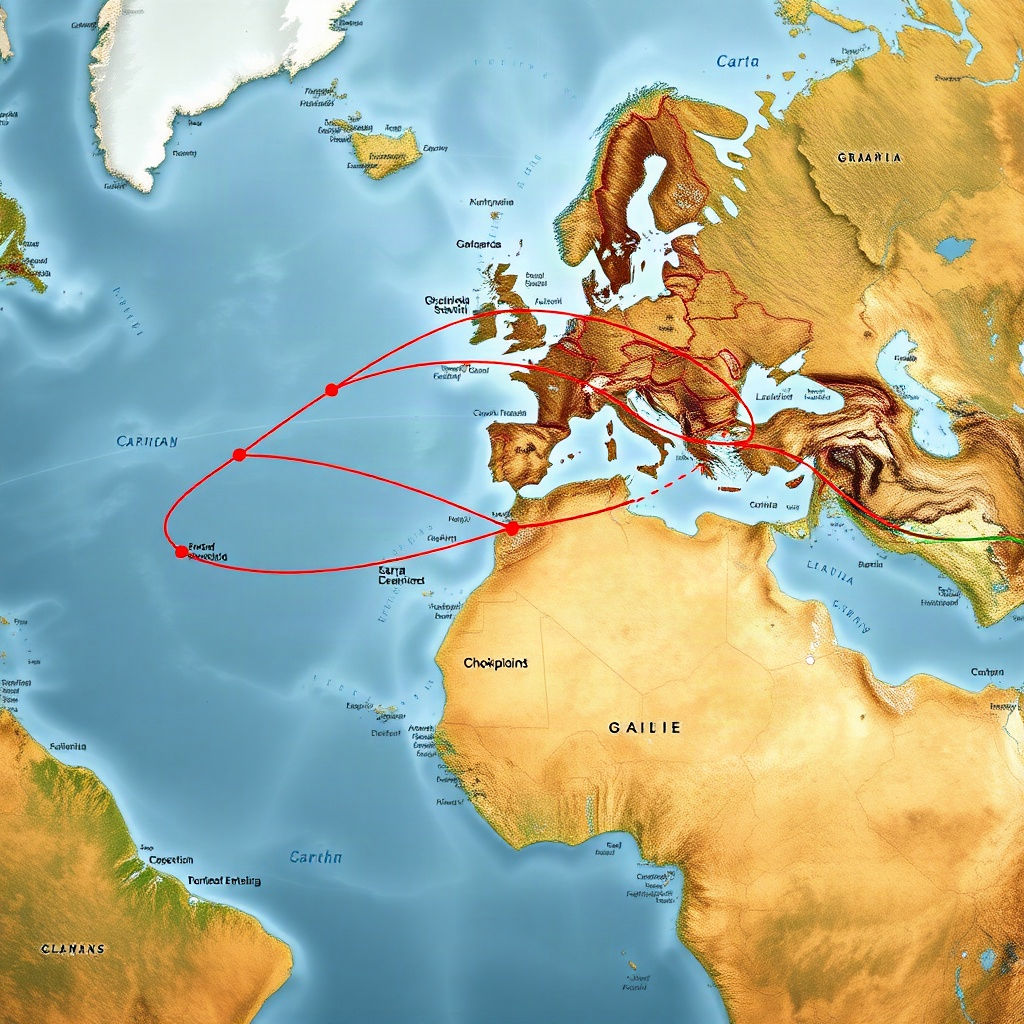
Maritime trade routes have been in existence for centuries, dating back to ancient times when goods were transported by sea. These routes played a vital role in connecting different regions of the world and facilitating trade between various civilizations. The history of maritime trade routes is rich and diverse, with each route contributing to the development of international trade.
The Impact of Maritime Trade Routes on Global Trade
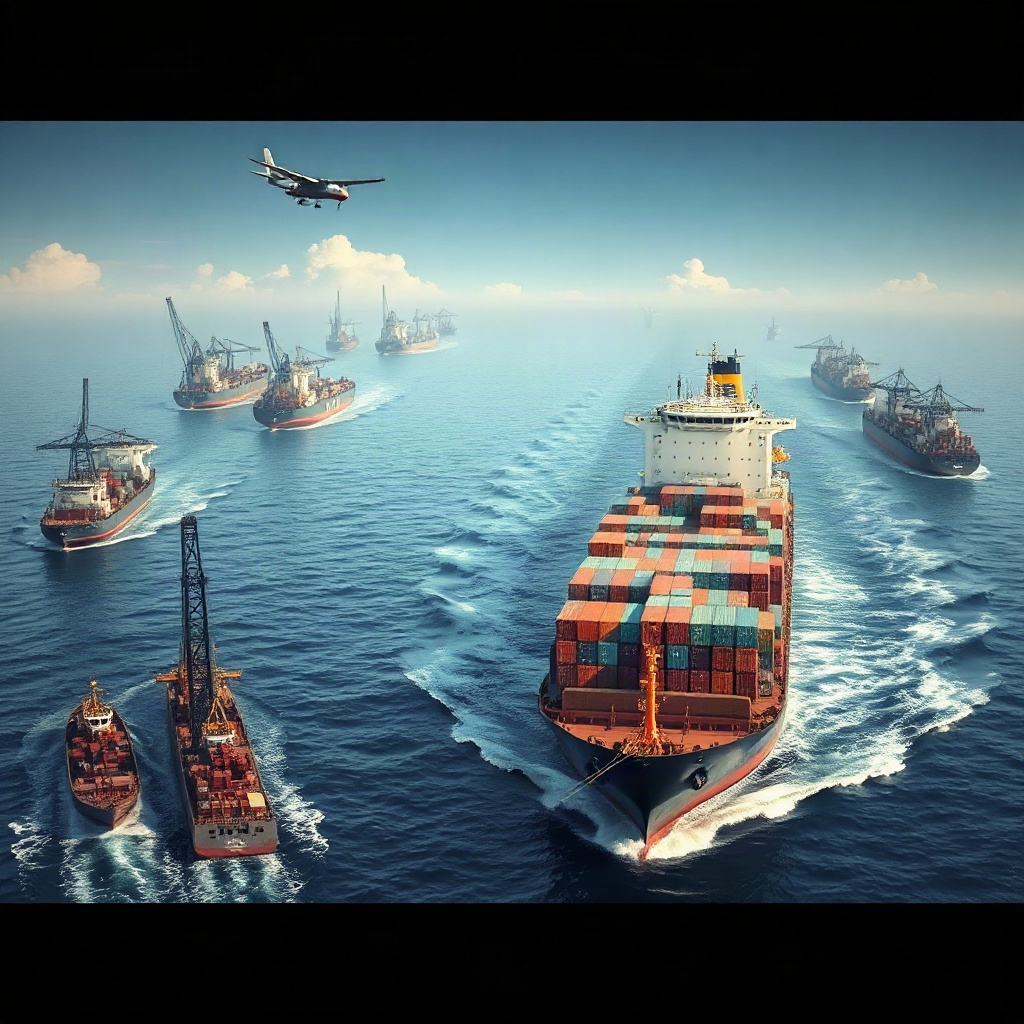
Maritime trade routes are responsible for a large portion of global trade, with the majority of goods being transported by sea. These routes provide a cost-effective and efficient way to transport goods between countries, allowing businesses to reach new markets and expand their operations. The impact of maritime trade routes on global trade cannot be understated, as they facilitate the exchange of goods and services on a massive scale.
The Economic Significance of Maritime Trade Routes
Maritime trade routes play a vital role in the economic development of countries around the world. By providing a reliable and efficient means of transporting goods, these routes contribute to economic growth and prosperity. The economic significance of maritime trade routes is evident in the way they support industries, create jobs, and stimulate economic activity in both developed and developing countries.
The Role of Technology in Enhancing Maritime Trade Routes
Advancements in technology have revolutionized the way maritime trade routes operate. From the invention of steamships to the development of containerization, technology has played a significant role in improving the efficiency and reliability of these routes. Today, technologies such as GPS tracking and automated systems have further enhanced the capabilities of maritime trade routes, making them more secure and efficient than ever before.
Environmental Challenges Facing Maritime Trade Routes
Despite their economic importance, maritime trade routes also face environmental challenges. The shipping industry is a significant contributor to global carbon emissions and pollution, posing a threat to the environment and marine ecosystems. As concerns about climate change grow, there is a growing need to address the environmental impact of maritime trade routes and develop sustainable practices to mitigate their effects.
The Future of Maritime Trade Routes
Looking ahead, the future of maritime trade routes is likely to be shaped by technological advancements, environmental concerns, and shifting global dynamics. As countries seek to reduce their carbon footprint and adopt cleaner energy sources, the shipping industry will need to adapt to meet these challenges. The future of maritime trade routes will be defined by innovation, sustainability, and a commitment to preserving the health of the planet for future generations.