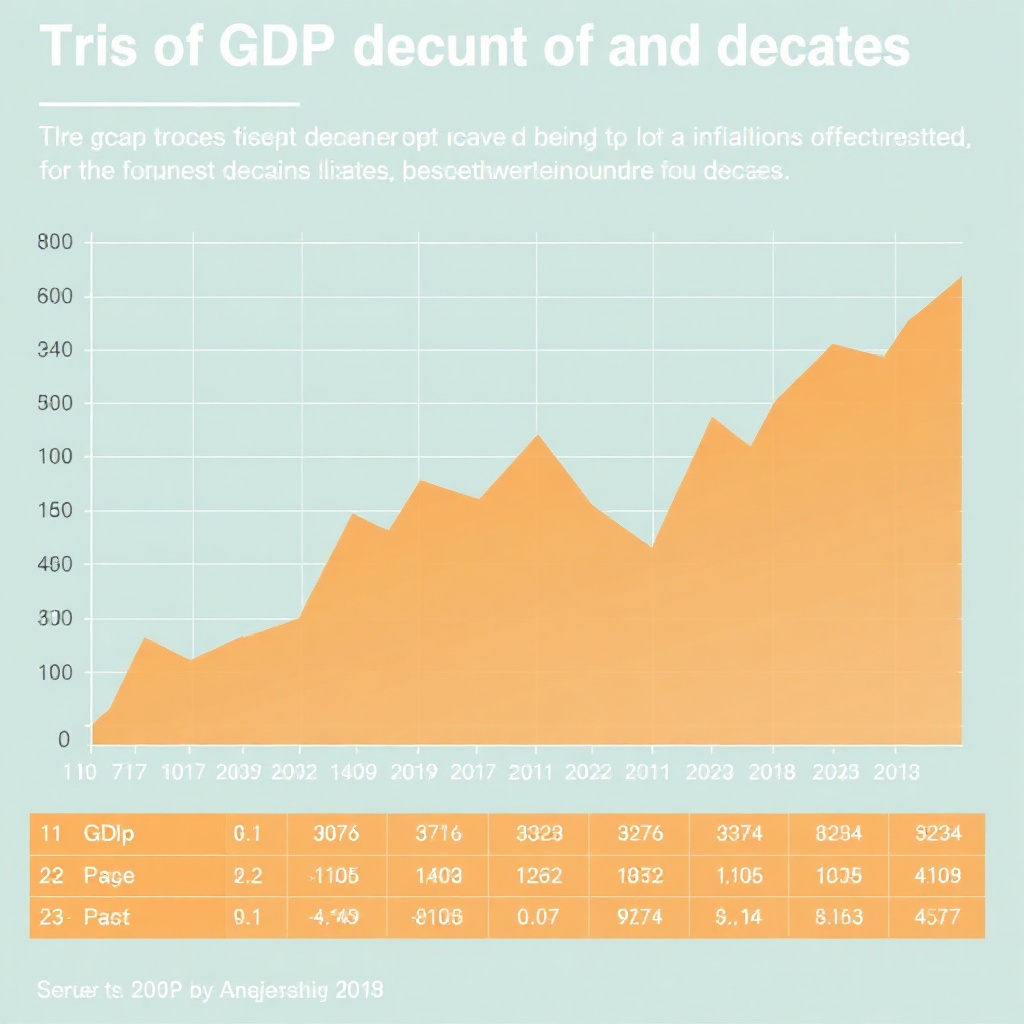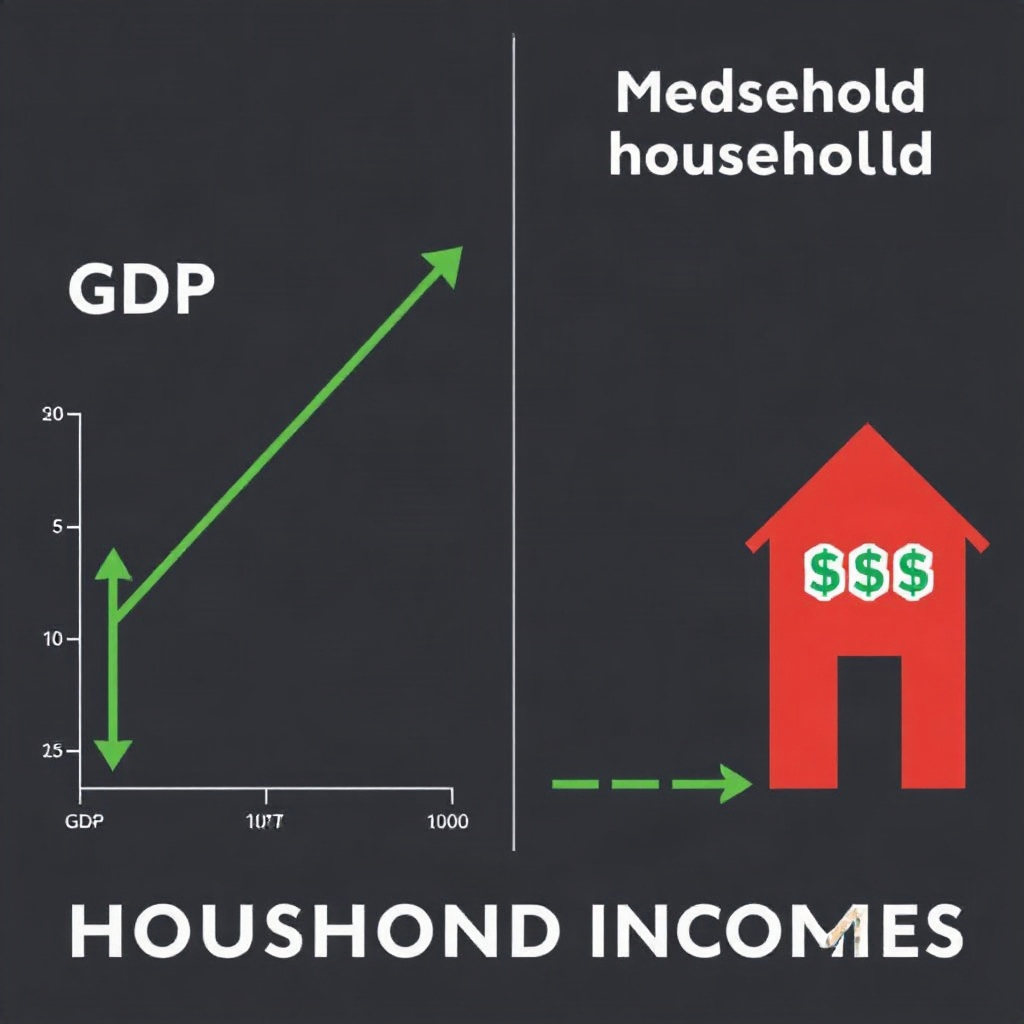
As the Gross Domestic Product (GDP) of a country continues to grow, it is often assumed that the overall wealth and prosperity of its citizens are also increasing. However, a closer look reveals that while GDP can indeed grow, the median household incomes may remain stagnant or even decline. This phenomenon raises important questions about the distribution of wealth and economic opportunities within a society.
The Relationship Between GDP and Median Household Incomes
At first glance, the relationship between GDP growth and median household incomes may seem straightforward. A growing economy should theoretically lead to higher incomes for the average household. However, this is not always the case. Disparities in income distribution, changes in the labor market, and other factors can contribute to a situation where GDP growth does not translate into higher incomes for the majority of the population.
Factors Contributing to Stagnant Household Incomes
There are several factors that can contribute to the stagnation of median household incomes despite overall GDP growth. One key factor is the concentration of wealth among a small percentage of the population, leading to income inequality. Additionally, technological advancements and globalization can result in job displacement and wage stagnation for many workers, further exacerbating the income gap.
Policy Implications and Solutions
Addressing the issue of stagnant median household incomes requires a multifaceted approach. Policymakers must consider implementing measures to promote income equality, such as progressive taxation and social welfare programs. Investing in education and retraining programs can also help workers adapt to changing economic conditions and secure higher-paying jobs. Additionally, supporting small businesses and entrepreneurship can stimulate economic growth and create opportunities for income growth among a wider segment of the population.
The Role of Technological Advancements
Technological advancements play a significant role in shaping the relationship between GDP growth and median household incomes. While technological innovation can drive economic growth and efficiency, it can also lead to job displacement and income inequality. As industries automate and streamline processes, workers in lower-skilled positions may find themselves at a disadvantage, facing reduced job opportunities and stagnant wages.
Globalization and Income Disparities
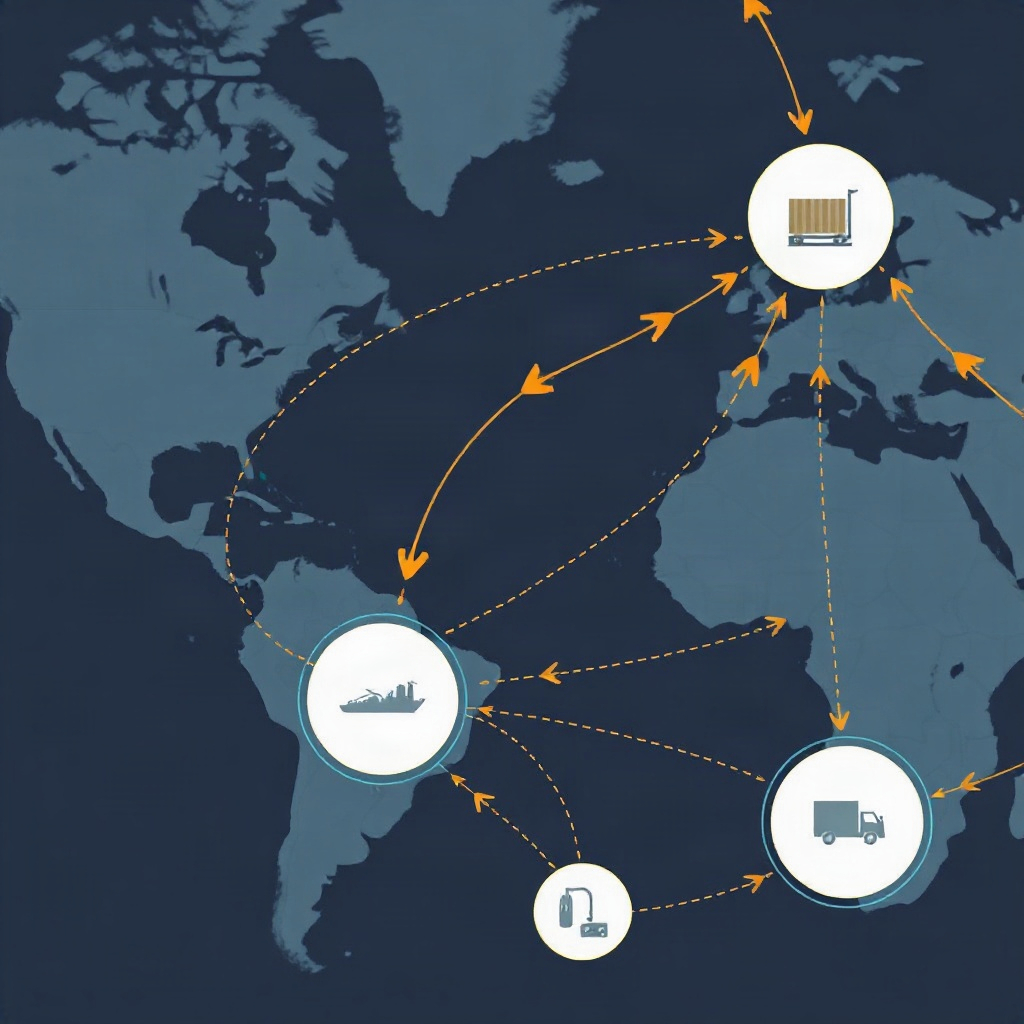
Globalization has further complicated the relationship between GDP growth and median household incomes. While international trade and investment can stimulate economic growth and create new opportunities, they can also contribute to job outsourcing and wage suppression in certain sectors. As a result, workers in industries that face competition from overseas may experience downward pressure on their incomes, even as the overall economy grows.
Conclusion
In conclusion, the relationship between GDP growth and median household incomes is complex and multifaceted. While GDP growth is an important indicator of economic health, it is crucial to consider how this growth translates into real income gains for the majority of the population. Addressing income inequality, investing in education and training, and supporting small businesses are key steps towards ensuring that economic growth benefits all members of society, not just a privileged few.