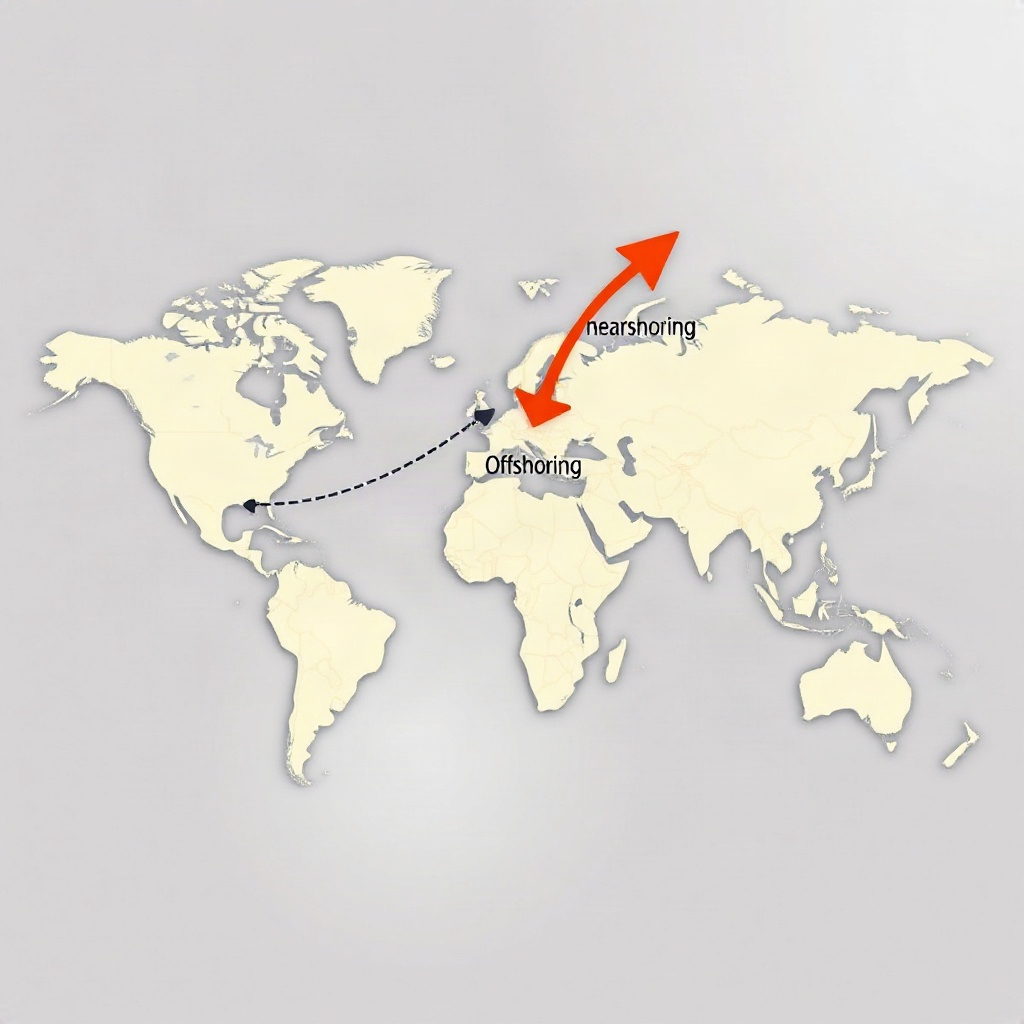
Regional trade agreements have a significant impact on how businesses access markets. These agreements, often between countries in a specific region, aim to facilitate trade by reducing tariffs and other trade barriers. In this article, we will explore how regional trade agreements influence business access to markets and the opportunities they create.
Understanding Regional Trade Agreements
Regional trade agreements, also known as RTAs, are treaties between two or more countries in a specific region. These agreements aim to promote economic integration by reducing barriers to trade and investment. RTAs can take various forms, such as free trade agreements, customs unions, and economic partnerships. By eliminating tariffs and quotas, RTAs make it easier for businesses to export their products to other member countries.
Benefits for Businesses
One of the key benefits of regional trade agreements for businesses is increased market access. By reducing trade barriers, RTAs allow companies to expand their customer base and reach new markets. This can lead to increased sales and profitability for businesses. Additionally, RTAs can help businesses reduce production costs by sourcing materials and components from other member countries at lower prices.
Challenges and Considerations
While regional trade agreements offer numerous benefits for businesses, they also present challenges and considerations. For example, businesses may face increased competition from foreign companies that now have easier access to the local market. Additionally, navigating the complex rules and regulations of different member countries can be challenging for businesses. It is important for companies to carefully assess the potential risks and rewards of participating in regional trade agreements.
Case Studies Impact on Different Industries
The impact of regional trade agreements on businesses can vary depending on the industry. For example, the automotive industry may benefit from reduced tariffs on imported components, leading to lower production costs. On the other hand, the agricultural sector may face increased competition from foreign producers. By analyzing case studies from different industries, we can gain insights into the diverse effects of regional trade agreements on businesses.
Future Trends and Opportunities
As regional trade agreements continue to evolve, businesses must adapt to new trends and opportunities. For example, the rise of e-commerce has created new avenues for businesses to access international markets. Additionally, sustainable and ethical trade practices are becoming increasingly important, presenting opportunities for businesses to differentiate themselves in the market. By staying informed and proactive, businesses can capitalize on the changing landscape of regional trade agreements.
Conclusion
In conclusion, regional trade agreements play a crucial role in shaping how businesses access markets. By reducing trade barriers and promoting economic integration, RTAs offer opportunities for businesses to expand their reach and increase profitability. However, challenges such as increased competition and regulatory complexity must be carefully considered. By understanding the impact of regional trade agreements on different industries and staying abreast of future trends, businesses can position themselves for success in the global market.