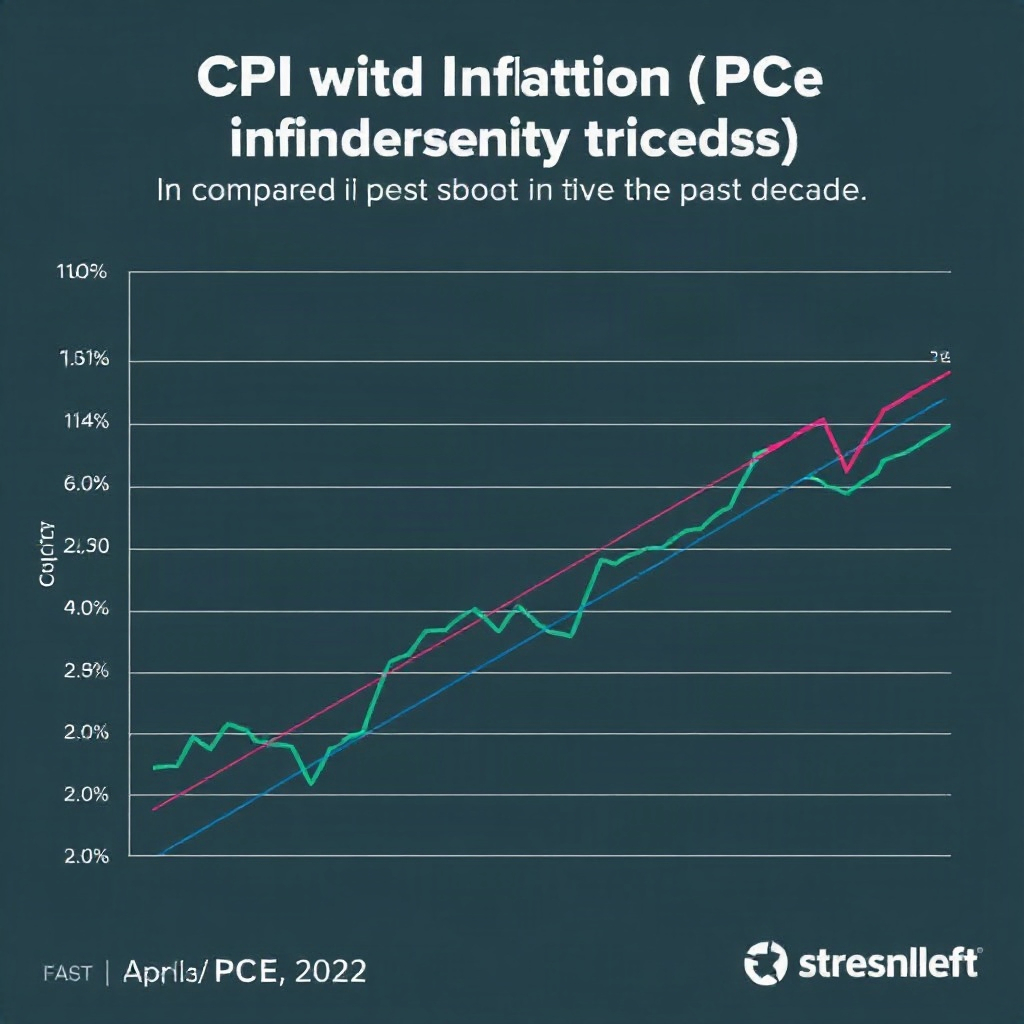
Inflation is a key economic indicator that measures the rate at which prices for goods and services rise in an economy over a period of time. There are different ways to measure inflation, with the Consumer Price Index (CPI) and Personal Consumption Expenditures (PCE) inflation being two commonly used metrics. While both aim to track inflation, they differ in their methodology and scope. In this analysis, we will delve into the distinctions between CPI and PCE inflation and their implications for understanding the economy.
CPI A Traditional Measure of Inflation
The Consumer Price Index (CPI) is a widely recognized measure of inflation that tracks the changes in prices paid by urban consumers for a basket of goods and services. It is often used to adjust income and government benefits for inflation and is considered a key indicator of the cost of living for consumers.
PCE A Broader Measure of Inflation
In contrast, the Personal Consumption Expenditures (PCE) inflation measure includes a broader range of expenditures, such as health care costs, which are not fully captured by the CPI. The PCE index also adjusts for changes in consumer behavior, making it a more flexible measure of inflation that reflects evolving spending patterns.
Methodological Differences
One of the main differences between CPI and PCE inflation lies in their methodology. The CPI uses a fixed basket of goods and services, which is updated periodically, to calculate inflation. In contrast, the PCE index employs a chain-weighted approach that allows for changes in spending patterns and reflects the substitution effect when prices change.
Impact on Monetary Policy
The choice between CPI and PCE inflation can have significant implications for monetary policy decisions. The Federal Reserve, for example, often uses the PCE index as its preferred measure of inflation. This is because the PCE index is thought to provide a more comprehensive picture of inflation that aligns with the Fed’s dual mandate of price stability and maximum employment.
Understanding Price Movements
While both CPI and PCE inflation measures provide valuable insights into price movements in the economy, it is important to recognize their limitations. The CPI, for instance, may not fully capture changes in consumer behavior or reflect regional differences in price movements. On the other hand, the PCE index may be more sensitive to changes in spending patterns due to its broader scope.
Conclusion
In conclusion, the differences between CPI and PCE inflation highlight the importance of choosing the right measure to assess inflation accurately. While the CPI is a traditional measure that tracks changes in prices for a fixed basket of goods and services, the PCE index offers a more comprehensive view that considers a broader range of expenditures and adjusts for changes in consumer behavior. By understanding the distinctions between these two measures, policymakers and economists can make more informed decisions about monetary policy and better grasp the dynamics of inflation in the economy.