In today’s fast-paced business world, organizations are constantly seeking ways to gain a competitive advantage. One powerful tool that can help businesses achieve this is Value Chain Analysis. By understanding the various activities and processes involved in creating a product or service, companies can identify areas where they can add value and differentiate themselves from competitors. In this blog post, we will delve into the concept of Value Chain Analysis and explore how organizations can leverage this tool to enhance their strategic position in daily operations.
Understanding Value Chain Analysis
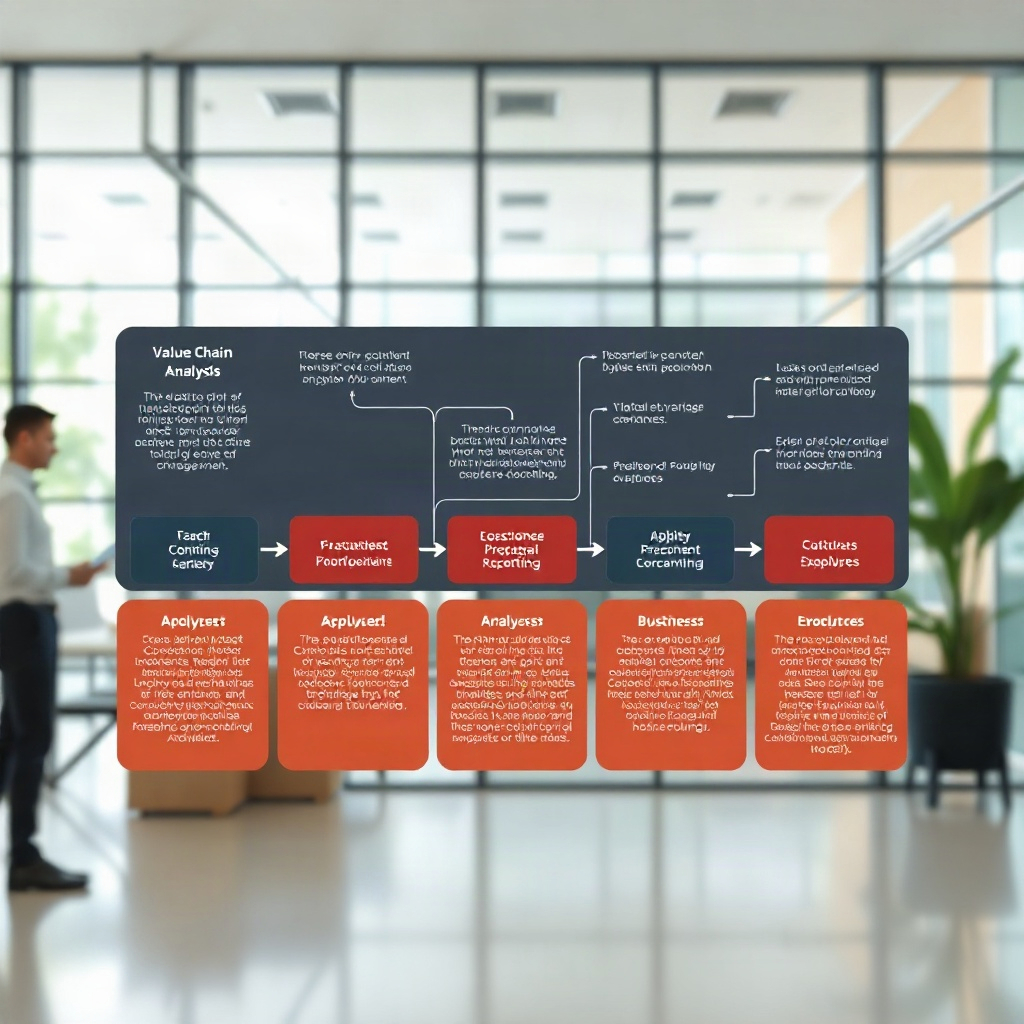
Value Chain Analysis is a strategic management tool that helps businesses identify key activities within their operations that create value for customers. Developed by Michael Porter in the 1980s, the concept consists of two main components: primary activities and support activities. Primary activities are directly involved in the production and delivery of a product or service, while support activities provide the necessary infrastructure and resources for the primary activities to function effectively.
By analyzing each step in the value chain, organizations can pinpoint areas where they can improve efficiency, reduce costs, or enhance quality. This in-depth understanding of the value creation process can lead to competitive advantages and increased profitability.
Importance of Strategic Leverage
Strategic leverage refers to the ability of organizations to use their resources, capabilities, and competitive advantages to achieve their strategic goals. Value Chain Analysis plays a crucial role in identifying strategic leverage points within an organization’s operations. By focusing on activities that have the greatest impact on value creation and customer satisfaction, companies can strategically allocate resources and prioritize initiatives that will drive growth and success.
Identifying Value-Adding Activities
One of the key benefits of Value Chain Analysis is the ability to identify value-adding activities within an organization. These are the activities that directly contribute to the creation of value for customers and differentiate a company from its competitors. By understanding which activities are most critical to the value chain, organizations can streamline processes, eliminate waste, and optimize resources to enhance overall performance.
Enhancing Competitive Advantage
By leveraging Value Chain Analysis to identify and strengthen value-adding activities, organizations can enhance their competitive advantage in the marketplace. Understanding the unique capabilities and strengths that set a company apart from competitors allows organizations to focus on developing these areas further and creating a sustainable competitive edge. By continuously evaluating and improving the value chain, companies can stay ahead of the competition and drive long-term success.
Implementing Value Chain Analysis in Daily Operations
To successfully implement Value Chain Analysis in daily operations, organizations must first map out their value chain and identify key activities and processes. This involves conducting a detailed analysis of each step in the value creation process and determining how each activity contributes to overall value delivery. Once the value chain is mapped out, organizations can then assess opportunities for improvement, optimization, and innovation.
Leveraging Technology for Value Chain Optimization
In today’s digital age, technology plays a crucial role in optimizing the value chain and enhancing operational efficiency. By leveraging tools such as data analytics, automation, and supply chain management software, organizations can gain valuable insights into their operations and identify opportunities for improvement. Technology enables organizations to streamline processes, reduce costs, and enhance quality, ultimately driving value creation and customer satisfaction.
Conclusion
Value Chain Analysis is a powerful tool that can help organizations identify strategic leverage points and enhance their competitive advantage in daily operations. By understanding the key activities and processes involved in creating value for customers, businesses can optimize their operations, streamline processes, and drive long-term success. By continuously evaluating and improving the value chain, organizations can stay ahead of the competition and achieve sustainable growth in today’s dynamic business environment.