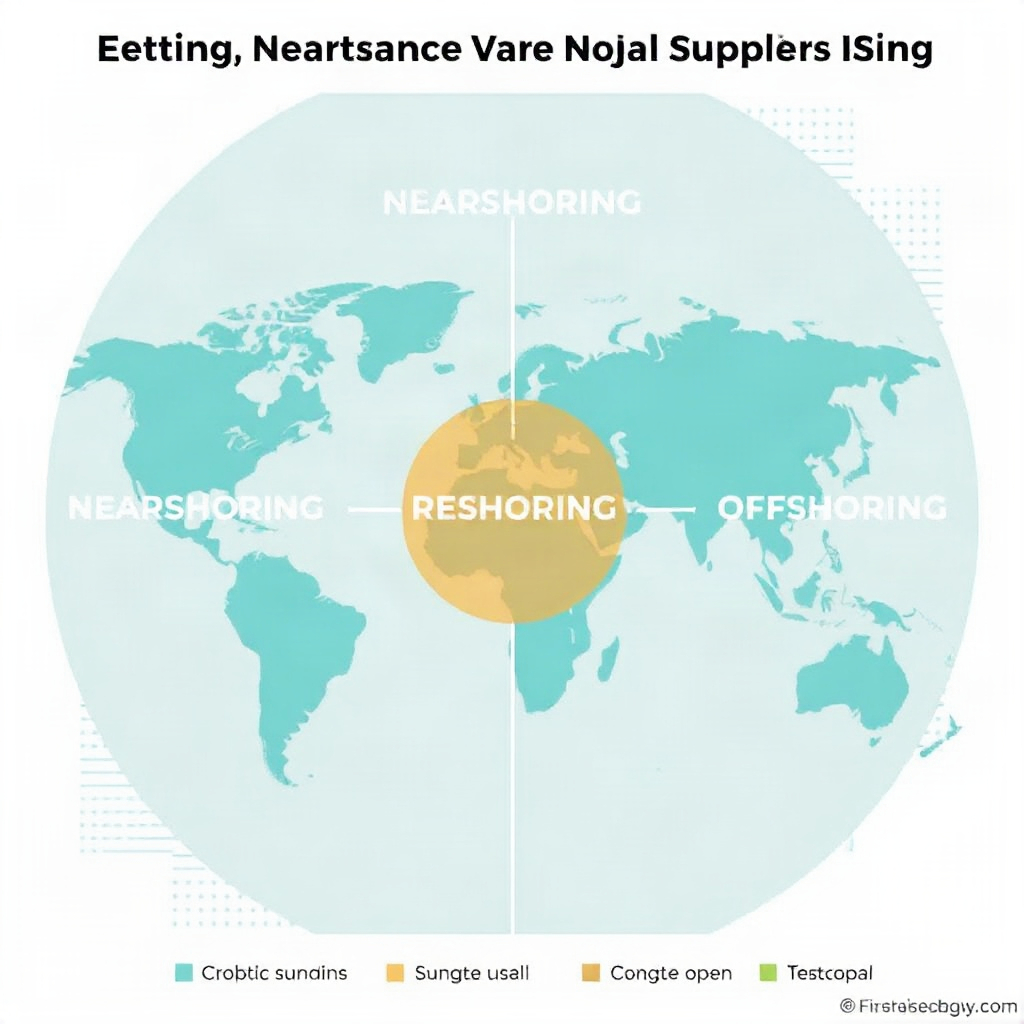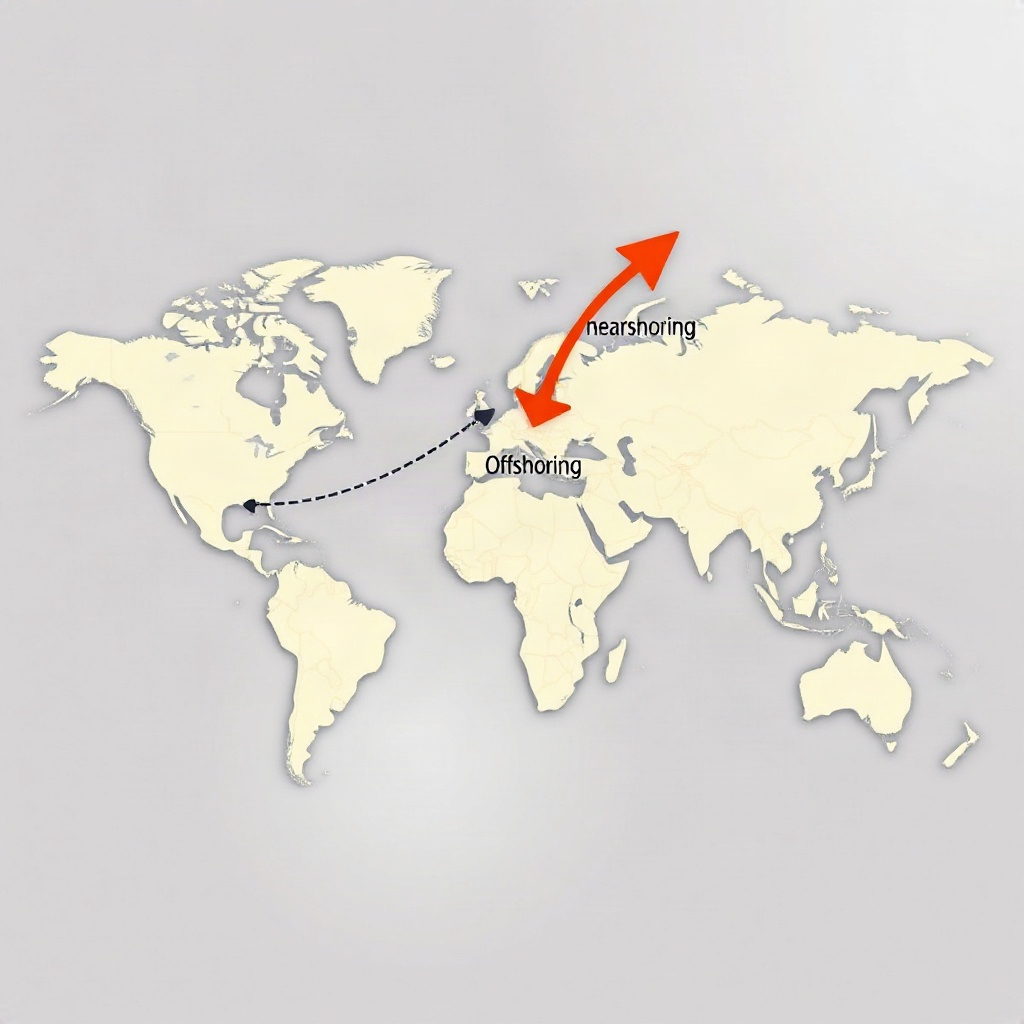
In today’s globalized world, companies have various options when it comes to setting up their operations. Nearshoring, reshoring, and offshoring are three popular models that businesses often consider. Each model has its own advantages and disadvantages, and understanding the differences between them is crucial for making informed decisions. In this article, we will explore the key distinctions between nearshoring, reshoring, and offshoring, and discuss how these models impact businesses.
Nearshoring A Closer Look
Nearshoring involves outsourcing business processes to a nearby country, typically within the same region. This model offers benefits such as reduced costs, similar time zones, and cultural similarities. Companies often choose nearshoring to take advantage of lower labor costs while maintaining proximity to their home country. However, challenges such as language barriers and regulatory differences can still arise in nearshoring partnerships.
Reshoring Bringing Operations Back Home
Reshoring, on the other hand, refers to the practice of bringing business activities back to the company’s home country. This trend has gained momentum in recent years as companies seek to reduce supply chain risks and support local economies. Reshoring can lead to increased control over quality, faster response times, and improved customer satisfaction. However, the higher labor costs associated with reshoring can be a deterrent for some businesses.
Offshoring Expanding Horizons
Offshoring involves relocating business processes to a foreign country, often in a different continent. This model is popular for its cost-saving potential, access to a larger talent pool, and global market reach. Offshoring can help companies tap into new markets, lower production costs, and enhance scalability. However, factors like language barriers, time zone differences, and cultural challenges can pose obstacles in offshoring arrangements.
Key Considerations for Businesses
When deciding between nearshoring, reshoring, and offshoring, businesses must carefully evaluate their unique needs and goals. Factors such as cost, quality, speed, and risk mitigation should be taken into account. Additionally, the regulatory environment, political stability, and labor market conditions of the target country play a crucial role in the success of any outsourcing strategy.
The Future of Global Operations
As technology continues to advance and geopolitical landscapes evolve, the dynamics of nearshoring, reshoring, and offshoring are also changing. Companies are increasingly focusing on building resilient supply chains, fostering innovation, and adapting to market demands. The flexibility to switch between different models based on changing circumstances will be essential for businesses to thrive in the global marketplace.
Conclusion
In conclusion, nearshoring, reshoring, and offshoring are distinct models that offer unique benefits and challenges for businesses. By understanding the differences between these outsourcing strategies, companies can make informed decisions that align with their objectives. Whether it’s cost savings, improved quality, or market expansion, choosing the right model can have a significant impact on a company’s success in today’s competitive landscape.