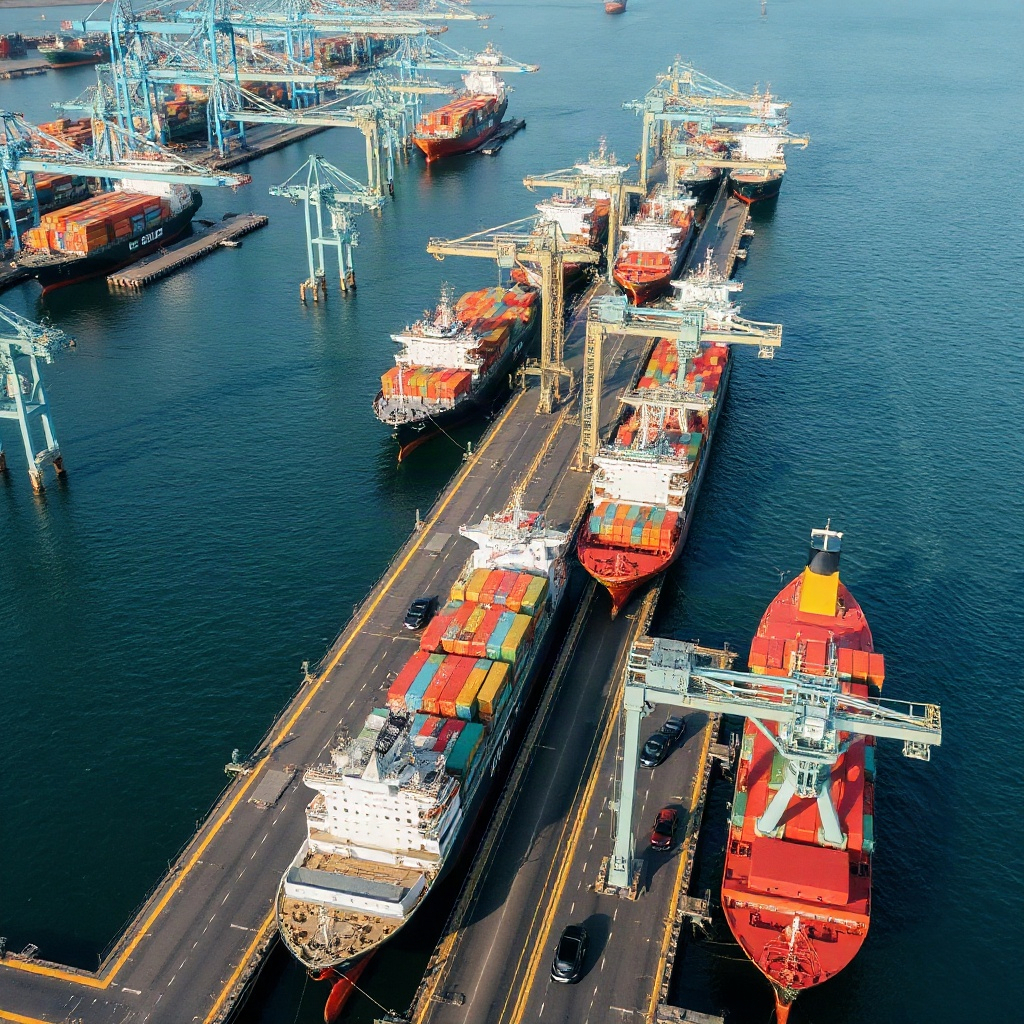
The world of international trade is a complex web of interconnected systems and processes that rely heavily on the efficiency of ports and shipping routes. The cost of trade, both in terms of time and money, is greatly influenced by the strategic location and operational effectiveness of these key components. In this review, we will delve into how ports and shipping routes shape the cost of trade on a global scale.
The Role of Ports in Global Trade
Ports are the gateways through which goods flow in and out of countries, serving as crucial hubs for international commerce. The location, infrastructure, and capacity of ports play a significant role in determining the efficiency of trade operations. A well-equipped port with modern facilities can streamline the movement of goods, reducing costs and transit times for businesses.
The Impact of Shipping Routes on Trade Costs
Shipping routes are the highways of the sea, connecting ports and facilitating the transportation of goods across oceans. The choice of shipping routes can impact the cost of trade in terms of fuel consumption, transit times, and potential risks such as piracy or adverse weather conditions. Understanding the dynamics of shipping routes is essential for optimizing trade operations and minimizing costs.
Port Congestion and Its Effects on Trade
One of the major challenges faced by ports is congestion, which occurs when the demand for port services exceeds their capacity. Port congestion can lead to delays, increased costs, and disruptions in supply chains. Addressing congestion through improved infrastructure, technology, and operational practices is crucial for enhancing the efficiency of trade and reducing costs.
The Role of Technology in Port Operations
Technological advancements are revolutionizing the way ports operate, enabling automation, digitalization, and data-driven decision-making. Smart ports equipped with IoT devices, AI algorithms, and blockchain technology can improve efficiency, reduce costs, and enhance security in trade operations. Embracing technology is essential for staying competitive in the fast-paced world of global trade.
Environmental Sustainability in Port Management
Ports have a significant impact on the environment due to their operations, including emissions from ships, port activities, and transportation. Implementing sustainable practices such as shore power, LNG bunkering, and eco-friendly infrastructure can reduce the environmental footprint of ports and contribute to a greener and more sustainable trade ecosystem. Balancing economic growth with environmental conservation is a key challenge for port authorities worldwide.
The Role of Government Policies in Shaping Trade Costs
Government policies and regulations play a crucial role in shaping the cost of trade by influencing port operations, shipping routes, tariffs, and trade agreements. Transparent and predictable policies are essential for fostering a conducive trade environment, attracting investments, and promoting economic growth. Collaboration between governments, industry stakeholders, and international organizations is key to ensuring a level playing field in global trade.
The Future of Ports and Shipping Routes
As global trade continues to expand and evolve, the future of ports and shipping routes is being shaped by technological innovation, sustainability initiatives, and geopolitical developments. Adapting to changing trends, embracing digital transformation, and enhancing connectivity between ports and shipping routes will be vital for ensuring the cost-effective and efficient movement of goods in the years to come.
In conclusion, ports and shipping routes play a pivotal role in determining the cost of trade on a global scale. By optimizing port operations, improving shipping routes, embracing technology, and implementing sustainable practices, countries can enhance the efficiency of trade, reduce costs, and foster economic growth. The future of trade lies in the hands of those who understand the importance of ports and shipping routes in shaping the global economy.