SWOT analysis is a powerful tool that businesses use to evaluate their strengths, weaknesses, opportunities, and threats. Making decisions based on this analysis can lead to strategic outcomes that drive success. In this step-by-step guide, we will explore how to conduct a SWOT analysis effectively and turn the insights gained into actionable decisions.
Understanding SWOT Analysis
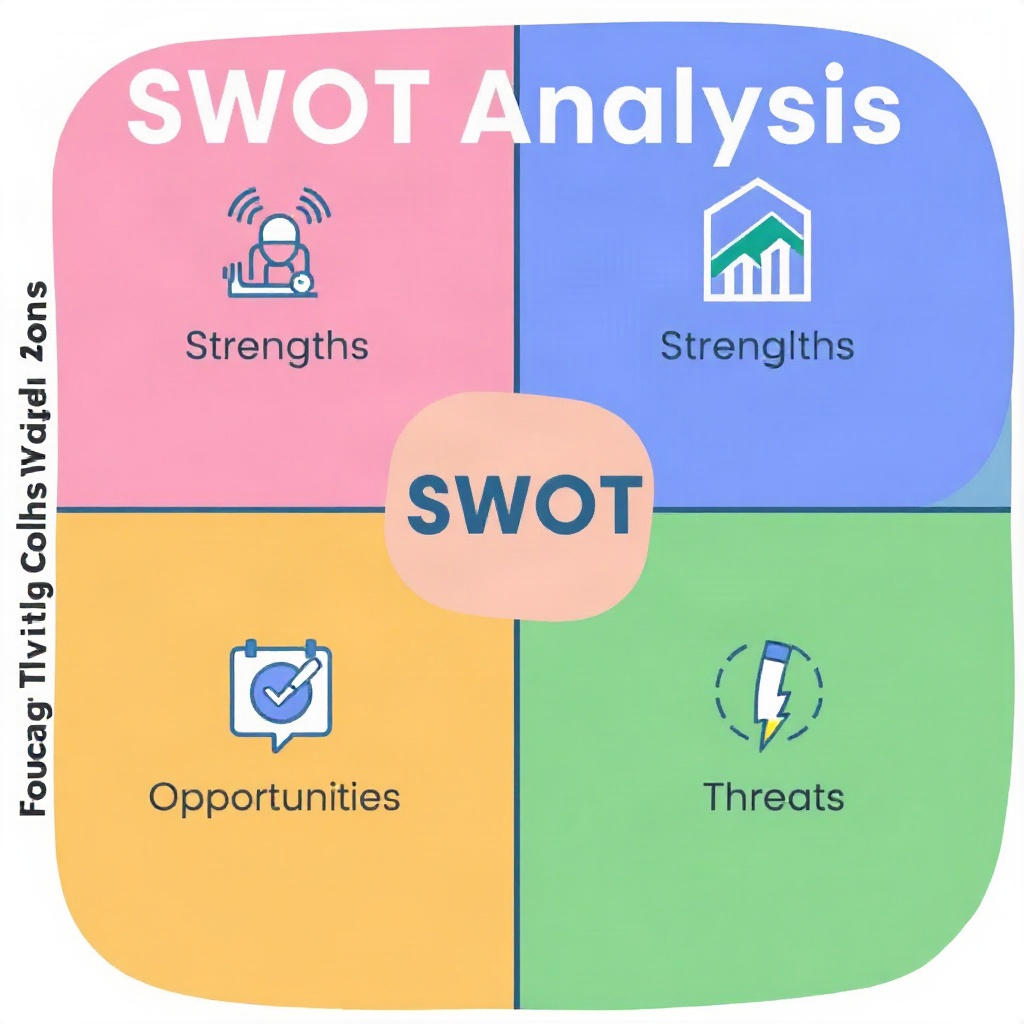
SWOT analysis involves identifying internal strengths and weaknesses, as well as external opportunities and threats. By assessing these factors, businesses can develop a clear understanding of their current position in the market.
Conducting a SWOT Analysis
To conduct a SWOT analysis, start by brainstorming with key stakeholders to identify strengths and weaknesses. Then, look externally to recognize opportunities and threats in the market. It’s crucial to be honest and realistic during this process.
Analyzing Strengths
Strengths are internal factors that give a business a competitive advantage. These can include a strong brand reputation, innovative products, or a talented team. Analyzing strengths helps businesses capitalize on what sets them apart from competitors.
Identifying Weaknesses
Weaknesses are internal factors that hinder a business’s performance. These can include poor financial management, lack of market research, or outdated technology. Identifying weaknesses is the first step towards improving and addressing them.
Exploring Opportunities
Opportunities are external factors that a business can leverage to grow and expand. These can include emerging markets, technological advancements, or changes in consumer behavior. Exploring opportunities allows businesses to stay ahead of the curve.
Assessing Threats
Threats are external factors that may harm a business’s success. These can include new competitors entering the market, economic downturns, or shifts in regulations. Assessing threats helps businesses prepare for potential challenges.
Making Decisions
After completing the SWOT analysis, it’s time to translate insights into decisions. This could involve setting strategic priorities, allocating resources effectively, or developing new products/services. By making data-driven decisions, businesses can navigate uncertainties with confidence.