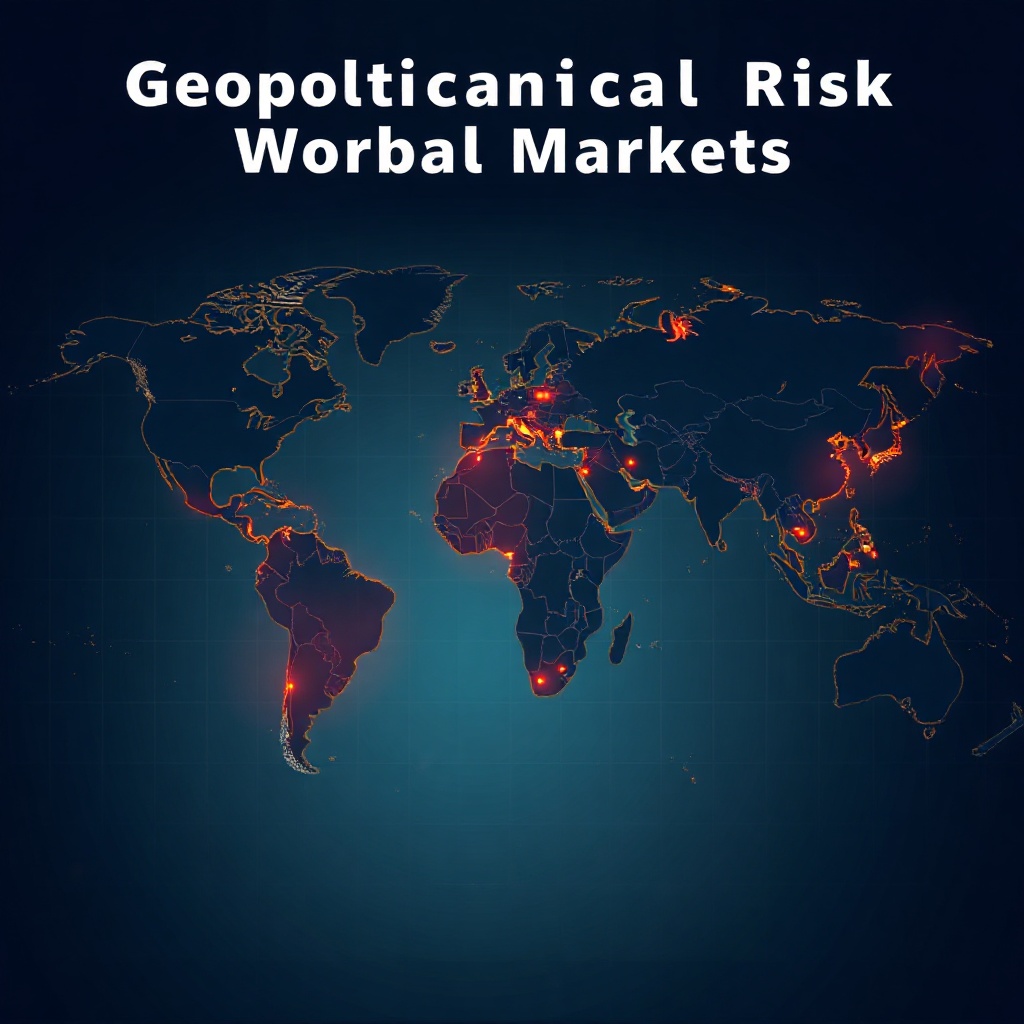
Geopolitics and geostrategy are two terms often used interchangeably, but they actually have distinct meanings and implications in the realm of international relations. While geopolitics focuses on the geographical factors that influence political decisions and interactions between countries, geostrategy delves deeper into the strategic aspects of these interactions. In this article, we will explore the differences between geopolitics and geostrategy, highlighting their unique characteristics and significance in shaping global dynamics.
Understanding Geopolitics
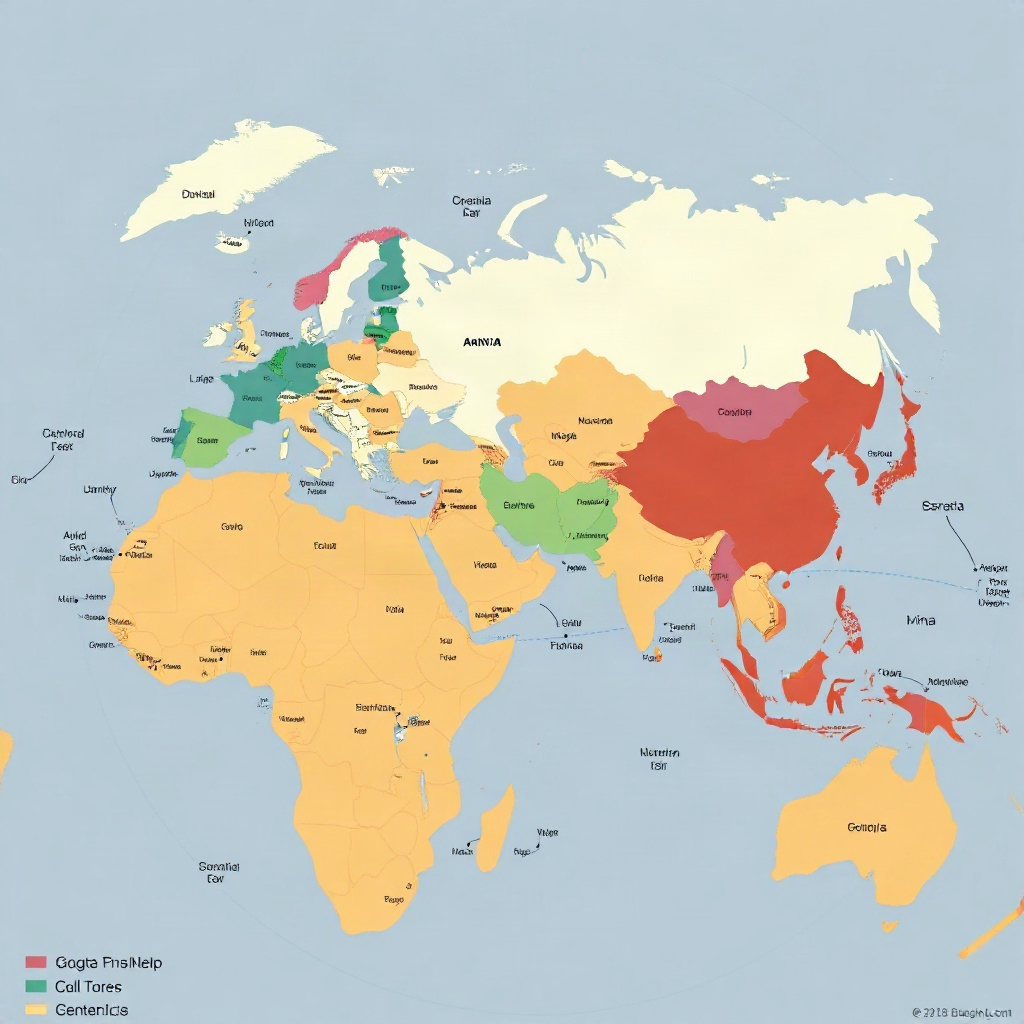
Geopolitics is the study of how geography, resources, and demography impact international politics. It examines the spatial dimensions of power and how they influence the behavior of states. Geopolitical analysis considers factors such as borders, natural resources, and population distribution to understand the strategic interests of nations. By assessing the geopolitical landscape, policymakers can anticipate potential challenges and opportunities in the international arena.
The Evolution of Geostrategy
Geostrategy, on the other hand, goes beyond the geographical context to focus on the strategic objectives of states. It involves the formulation and implementation of military, diplomatic, and economic strategies to achieve national goals. Geostrategic considerations encompass long-term planning, risk assessment, and alignment of resources to advance a country’s interests. Understanding geostrategy is crucial for developing effective foreign policies and navigating complex geopolitical environments.
Key Differences and Intersections
While geopolitics provides the foundational framework for understanding global power dynamics, geostrategy offers a more action-oriented perspective on how states can leverage their geopolitical advantages. Geopolitics informs geostrategy by identifying the geopolitical constraints and opportunities that shape strategic decision-making. The intersection of geopolitics and geostrategy allows policymakers to craft comprehensive foreign policy approaches that address both the structural and strategic aspects of international relations.
Implications for Global Governance
The distinction between geopolitics and geostrategy is essential for analyzing contemporary issues such as territorial disputes, resource competition, and security challenges. Geopolitical tensions often drive states to adopt specific geostrategic measures to safeguard their interests and influence regional dynamics. By examining the interplay between geopolitics and geostrategy, policymakers can anticipate potential conflicts, mitigate risks, and promote cooperation in an increasingly interconnected world.
Future Trends and Challenges
As the global landscape continues to evolve, the importance of geopolitics and geostrategy will only grow. Emerging technologies, economic shifts, and environmental changes will shape the geopolitical and geostrategic calculus of nations worldwide. Adapting to these trends requires a nuanced understanding of the complex interplay between geography, strategy, and power. By staying attuned to evolving geopolitical and geostrategic dynamics, states can navigate the uncertainties of the 21st century more effectively.