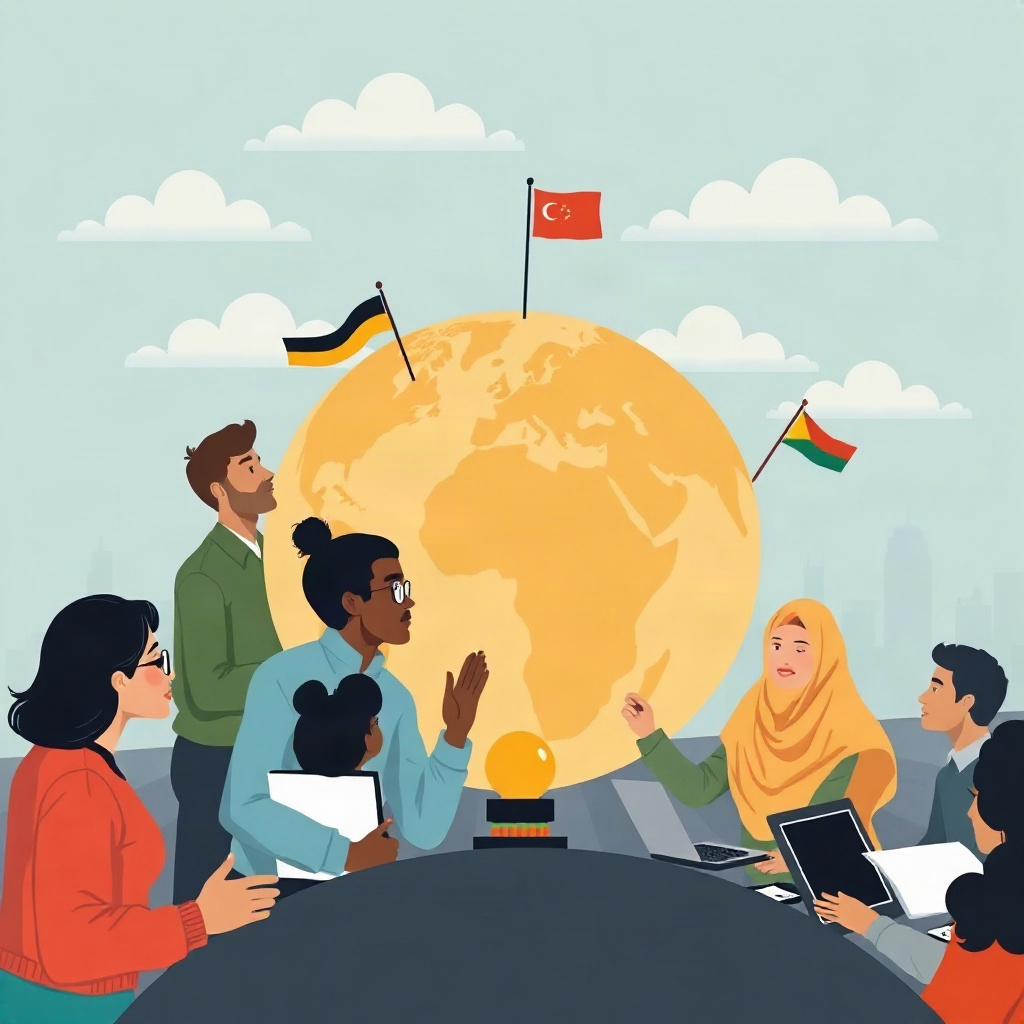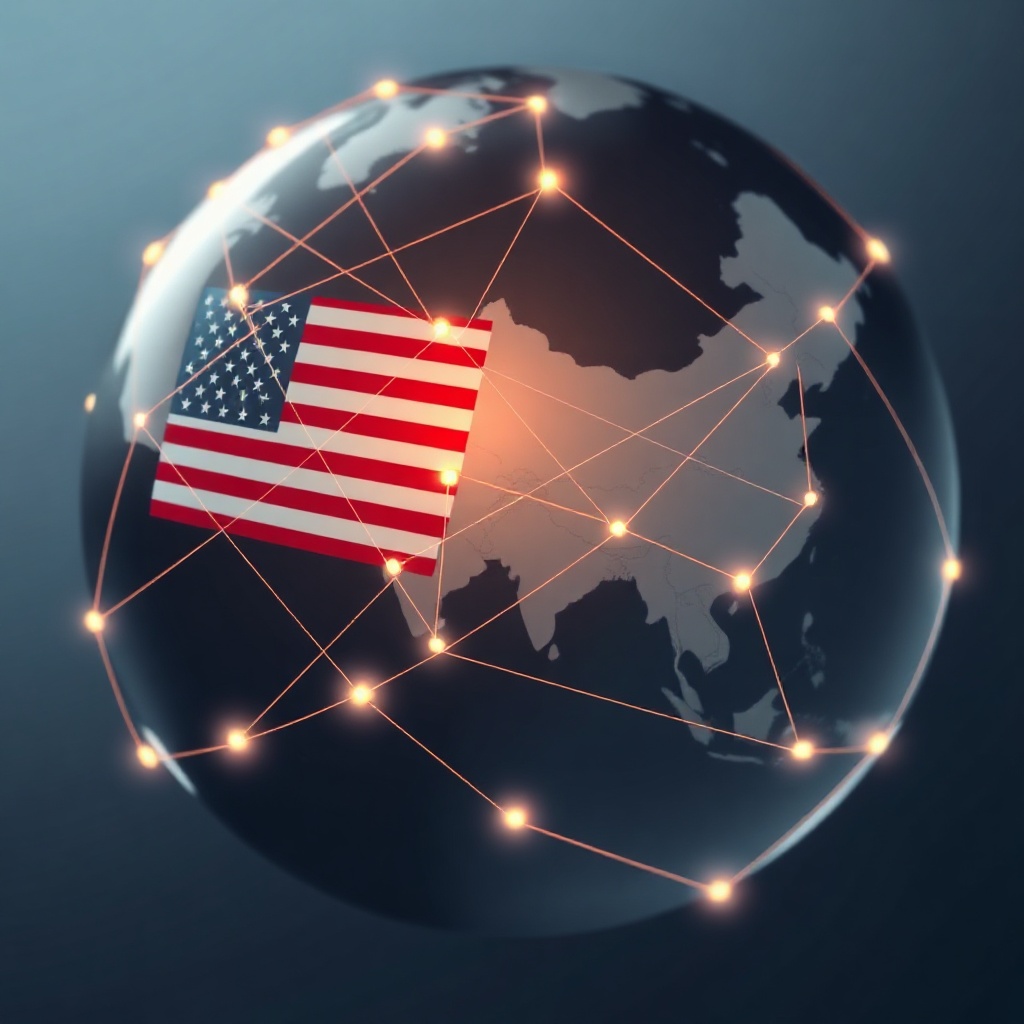
The BRICS countries (Brazil, Russia, India, China, and South Africa) have been playing an increasingly significant role in the global economy in recent years. This group of emerging economies has been reshaping international trade, finance, and development, challenging the traditional dominance of Western powers. The changing role of BRICS in the global economy is a topic of great interest and importance, with implications for various aspects of global economic dynamics.
The Rise of BRICS Economies
The first key aspect to consider when examining the changing role of BRICS in the global economy is the remarkable rise of these economies in the past few decades. Brazil, Russia, India, China, and South Africa have experienced rapid economic growth, industrialization, and urbanization, leading to significant increases in their GDP and per capita income levels. This economic transformation has propelled the BRICS countries onto the global stage as major players in international trade and investment.
BRICS as Engines of Global Growth
Another important dimension of the changing role of BRICS in the global economy is their collective impact on global economic growth. As engines of growth, the BRICS countries have contributed substantially to the expansion of the world economy, particularly during times of global economic downturns. Their large and dynamic consumer markets, abundant natural resources, and growing technological capabilities have made them attractive destinations for foreign investment and trade partnerships.
BRICS Influence in International Organizations
The influence of BRICS in international organizations and forums has also been on the rise, reflecting their growing economic and political clout. These countries have sought to reform existing global governance structures, such as the International Monetary Fund (IMF) and the World Bank, to better reflect the changing realities of the global economy. By advocating for greater representation and decision-making power, BRICS have challenged the traditional Western dominance in these institutions.
Challenges and Opportunities for BRICS
Despite their economic successes, the BRICS countries face a range of challenges that could impact their future role in the global economy. These challenges include income inequality, corruption, political instability, and environmental sustainability issues. Moreover, the shifting geopolitical landscape and rising protectionist tendencies in some countries pose threats to the continued growth and cooperation among BRICS nations. However, these challenges also present opportunities for the BRICS countries to strengthen their cooperation, address common concerns, and enhance their collective influence on global economic governance.
BRICS and the Post-Pandemic Recovery
The COVID-19 pandemic has had profound effects on the global economy, including the BRICS countries. As they navigate the challenges of the post-pandemic recovery, the BRICS nations have an opportunity to leverage their collective strengths and resources to foster economic resilience and sustainable development. By promoting innovation, digital transformation, and green technologies, BRICS can play a pivotal role in shaping the future of the global economy and advancing inclusive growth.
Conclusion
In conclusion, the changing role of BRICS in the global economy reflects a dynamic and evolving landscape of international economic relations. As these emerging economies continue to assert their influence and shape global economic policies, the world is witnessing a shift towards a more multipolar and inclusive global economic order. By leveraging their diverse strengths, addressing common challenges, and fostering cooperation, the BRICS countries can contribute to a more balanced and sustainable global economy for the benefit of all nations.