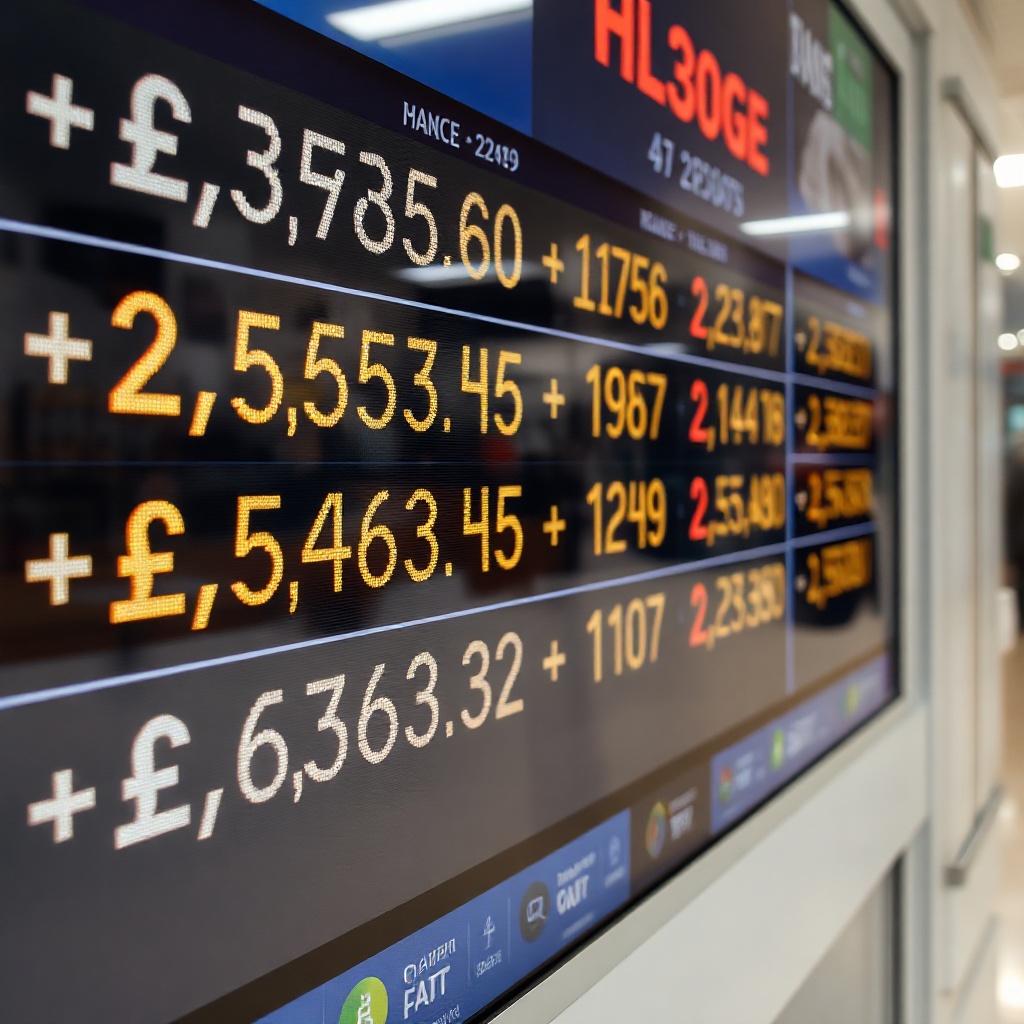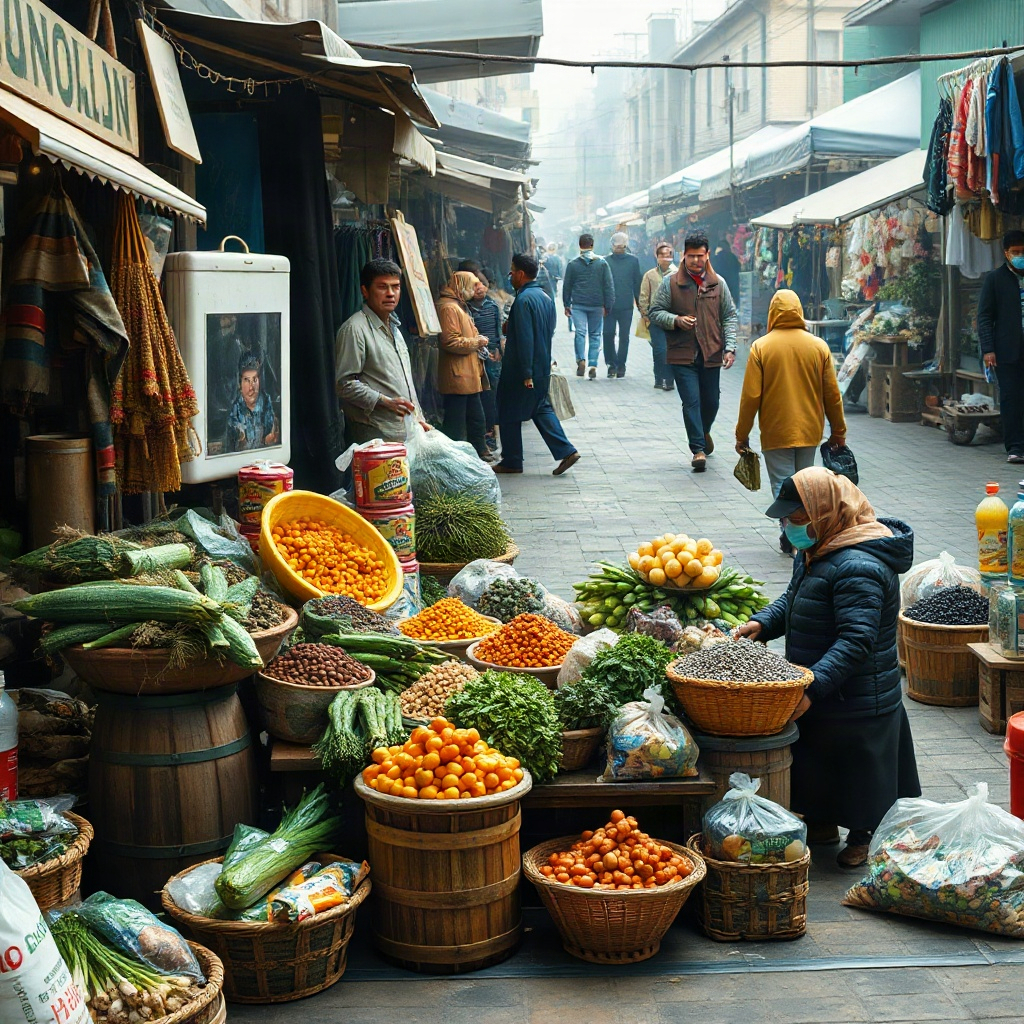
The global economy is a complex system that is influenced by a multitude of factors, one of which is commodity markets. Commodity markets play a crucial role in shaping the economic landscape of countries around the world. In this article, we will explore how commodity markets influence the global economy and the implications of their movements.
The Role of Commodity Markets in the Global Economy
Commodity markets are where raw materials or primary agricultural products are traded. These markets play a vital role in the global economy as they determine the prices of essential goods such as oil, gold, wheat, and soybeans. The fluctuations in commodity prices have a direct impact on inflation, trade balances, and overall economic stability.
Supply and Demand Dynamics
The supply and demand dynamics in commodity markets are a major driver of global economic trends. When the demand for a particular commodity exceeds its supply, prices tend to rise, leading to inflation in the economy. Conversely, when supply outstrips demand, prices fall, affecting the profitability of producers and exporters.
Geopolitical Factors and Commodity Prices
Geopolitical events can significantly impact commodity markets and, by extension, the global economy. Political instability in a major oil-producing region, for example, can lead to disruptions in the supply chain, causing oil prices to spike. Similarly, trade disputes between countries can result in tariffs on agricultural products, affecting farmers and consumers worldwide.
Commodities as Economic Indicators
Commodity prices are often used as leading indicators of economic trends. For instance, a rise in the price of copper, a key industrial metal, can signal increasing demand for manufactured goods and infrastructure development. As such, commodity markets provide valuable insights into the overall health of the global economy.
Speculation and Market Volatility
Speculation in commodity markets can lead to increased price volatility, making it difficult for businesses to plan and invest effectively. Traders who engage in speculative activities can drive prices up or down based on market sentiment, creating uncertainty for producers, consumers, and policymakers.
Sustainable Practices in Commodity Trading
With growing concerns about climate change and environmental sustainability, there is a push towards more responsible practices in commodity trading. Companies are increasingly being held accountable for their impact on the environment and local communities, leading to a shift towards sustainable sourcing and ethical supply chains.
In conclusion, commodity markets play a significant role in shaping the global economy, influencing everything from inflation to trade balances. Understanding the dynamics of commodity markets is essential for policymakers, businesses, and investors seeking to navigate the complexities of the global economic landscape.