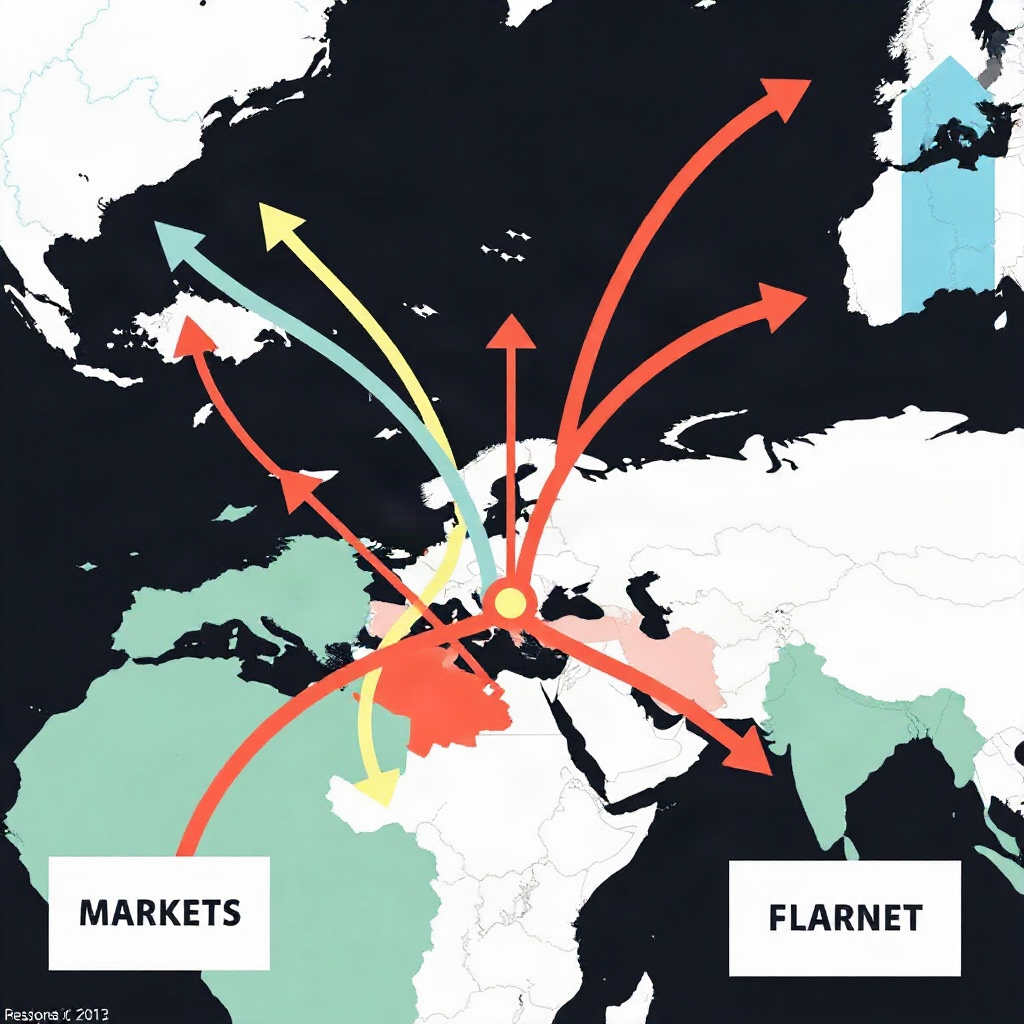
In today’s interconnected world, the competition for global influence among great powers has become increasingly fierce. This article aims to explore the reasons behind why these powerful nations engage in such competition and the implications it has on the world order.
The Historical Context of Great Power Competition
Throughout history, great powers have always vied for dominance on the global stage. From the colonial era to the Cold War, the struggle for power and influence has shaped the course of international relations.
Economic Interests and Geopolitical Strategy
One of the primary drivers of great power competition is the pursuit of economic interests and geopolitical strategy. Nations seek to secure access to key resources, markets, and strategic locations to enhance their own economic power and influence.
Military Superiority and Deterrence
Another key aspect of great power competition is the quest for military superiority and deterrence. Nations invest heavily in their military capabilities to assert dominance and deter potential adversaries from challenging their interests.
Ideological and Cultural Influence
Ideological and cultural influence also play a significant role in great power competition. Nations seek to spread their values, beliefs, and cultural norms to shape global perceptions and gain soft power advantages over their rivals.
Technological Innovation and Cyber Warfare
In the modern era, technological innovation and cyber warfare have emerged as critical battlegrounds in the competition for global influence. Great powers race to develop cutting-edge technologies and cyber capabilities to gain a strategic edge in the digital domain.
Multilateral Diplomacy and Alliance Building
Multilateral diplomacy and alliance building are essential tools in great power competition. Nations form alliances and partnerships with like-minded countries to strengthen their position and leverage collective power in pursuit of shared interests.