Exploring the Multipolar World Order: Fact or Fiction?, Debunking the Myth of the Multipolar World Order, How Measurable is the Multipolar World Order?
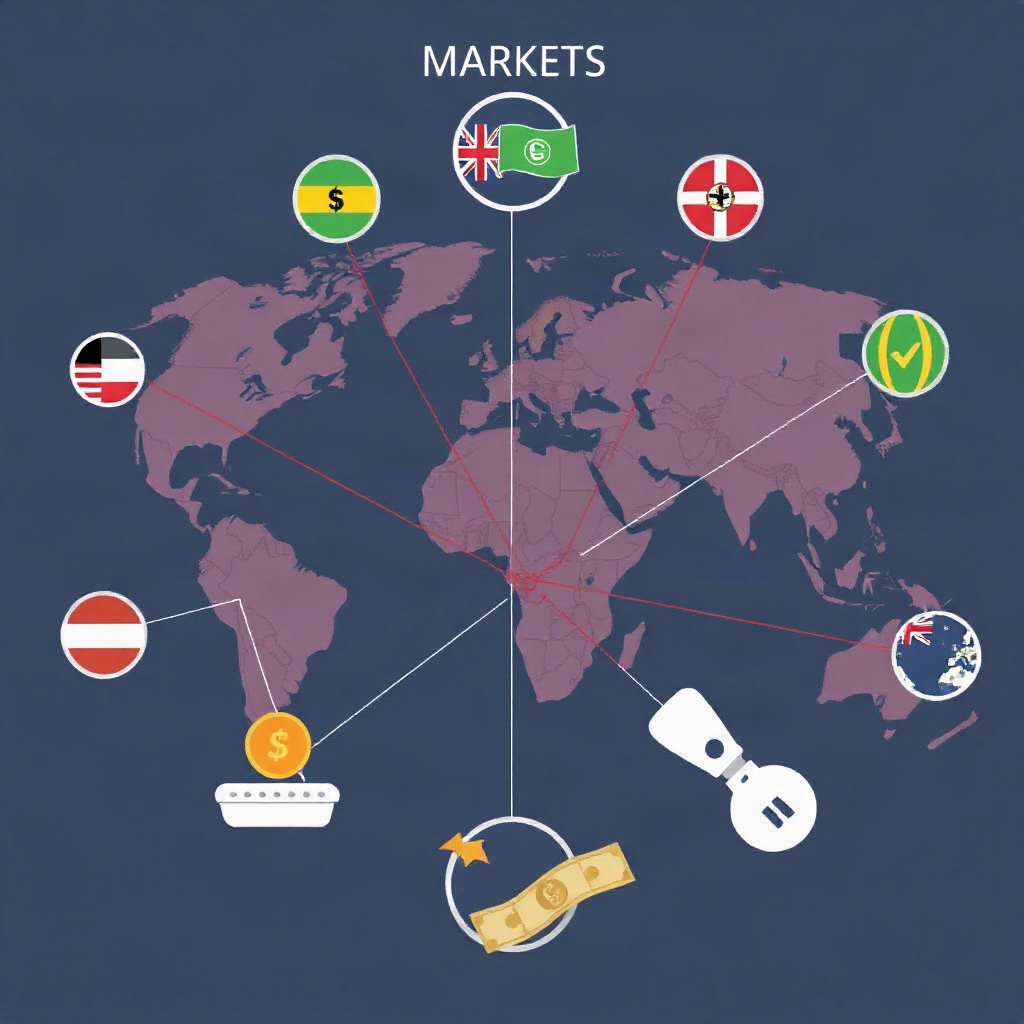
Multipolar World Order As we delve into the concept of the multipolar world order, it is crucial to analyze whether it is a factual reality or merely a theoretical construct. The idea of a multipolar world suggests a balance of power among several major global players, shifting away from the traditional unipolar or bipolar structures. However, debunking the myth of the multipolar world order reveals complexities that challenge its straightforward categorization.
While proponents of the multipolar world order argue that it reflects the current geopolitical landscape with emerging powers such as China, India, and Brazil gaining influence, critics point out the continued dominance of the United States in various spheres. This highlights the blurred lines between the traditional power dynamics and the evolving configurations that characterize the contemporary global scenario.
Measuring the extent of the multipolar world order presents another layer of complexity. Traditional metrics such as GDP, military capabilities, and political influence provide limited insights into the intricate web of interdependencies shaping international relations. Non-state actors, technological advancements, and cultural influences further complicate the assessment of power distribution in the multipolar framework.
| Indicators | Challenges |
|---|---|
| GDP | Does not account for socio-political dynamics |
| Military Capabilities | Overlooks non-traditional security threats |
| Political Influence | Varies in different regions and issue areas |
In conclusion, the multipolar world order exists as a complex interplay of traditional power structures and emerging forces, challenging conventional notions of global governance. While it may not be easily quantifiable or neatly defined, the multipolar framework captures the dynamic nature of contemporary international relations, urging scholars and policymakers to adopt a nuanced perspective in understanding and navigating the evolving global landscape.
The Truth Behind the Multipolar World Order
As we navigate through the complexities of global politics, it becomes increasingly evident that the world is transitioning towards a multipolar world order. This shift signifies a departure from the traditional hegemonic power structures dominated by a single superpower, towards a more balanced distribution of influence among multiple key players.
Understanding the Dynamics of a Multipolar World Order
In a multipolar world order, power is dispersed among several major actors, each with their own spheres of influence and strategic interests. This dynamic often leads to a more complex geopolitical landscape, where alliances and rivalries are constantly shifting based on mutual goals and conflicts of interest.
Is the Multipolar World Order a Realistic Concept?
The concept of a multipolar world order is not only realistic but also reflective of the evolving power dynamics in the 21st century. With the rise of emerging powers such as China, India, and Russia, alongside the continued influence of the United States and the European Union, the world is undeniably moving towards a more multipolar system.
| Pros of Multipolar World Order | Cons of Multipolar World Order |
|---|---|
| Distribution of power prevents hegemony | Potential for increased competition and conflicts |
| Diverse perspectives lead to more comprehensive solutions | Challenges in reaching consensus and decision-making |
Overall, embracing the reality of a multipolar world order requires a nuanced understanding of the intricacies involved, as well as a willingness to engage in diplomacy and cooperation to navigate the complexities of a more diverse and interconnected global landscape.
Assessing the Viability of a Multipolar World Order and The Evolution of the Global Power Structure
In the current global landscape, the concept of a multipolar world order is gaining increasing attention as a potential shift from the existing unipolar or bipolar structures. This shift signifies a more balanced distribution of power among multiple major players on the world stage, reshaping geopolitics and international relations.
Assessing the viability of a multipolar world order involves analyzing various factors such as economic interdependence, military capabilities, political influence, and cultural soft power. Each of these elements contributes to the overall power dynamics and determines the stability and sustainability of a multipolar system.
The evolution of the global power structure towards a multipolar world order is a complex process that is influenced by the rise of emerging powers, shifting alliances, and changing dynamics in regional and global governance. The traditional dominance of a few powerful nations is being challenged by the emergence of new actors who are asserting their influence in different spheres.
| Factors | Impact on Viability |
|---|---|
| Economic Interdependence | Enhances cooperation but also creates vulnerabilities |
| Military Capabilities | Balance of power and deterrence |
| Political Influence | Shaping global policies and alliances |
| Cultural Soft Power | Ability to attract and influence beyond military and economic means |
The shift towards a multipolar world order brings both opportunities and challenges. While it promotes diversity, reduces the risks of hegemonic dominance, and fosters competition for innovation and development, it also raises concerns about power struggles, conflicts of interest, and the need for effective global governance mechanisms.
As the world continues to evolve towards a multipolar order, it is crucial for nations to engage in dialogue, cooperation, and diplomacy to navigate this transition successfully. Balancing competing interests, promoting mutual respect, and upholding international norms and agreements are essential for building a stable and inclusive multipolar world order.
[faq title=”What is a multipolar world order?”]A multipolar world order refers to a global system where power is distributed among multiple major powers or centers of influence, rather than being dominated by a single superpower. This setup typically involves a more balanced distribution of political, economic, and military power among different countries or regions. [/faq]
[faq title=”Is the concept of a multipolar world order a myth or a measurable reality?”]The concept of a multipolar world order is a debatable topic among scholars and policymakers. Some argue that the world is already moving towards a multipolar system, with the rise of emerging powers such as China, India, and the European Union challenging the dominance of the United States. Others contend that the current international system still exhibits characteristics of unipolarity or bipolarity. Whether it is a myth or a measurable reality depends on one’s perspective and criteria for defining a multipolar world order. [/faq]
[faq title=”What are some indicators of a multipolar world order?”]Indicators of a multipolar world order include the presence of multiple major powers with significant economic, political, and military capabilities, the existence of competing alliances and partnerships among different countries, and a more decentralized decision-making process in global governance. Other signs may include the emergence of new regional powers and the increasing influence of non-state actors on the international stage. [/faq]
[faq title=”How does a multipolar world order differ from a unipolar or bipolar world order?”]In a unipolar world order, power is concentrated in the hands of a single dominant superpower, as was the case with the United States after the Cold War. In a bipolar world order, power is divided between two major powers, such as the United States and the Soviet Union during the Cold War. A multipolar world order, on the other hand, involves a more even distribution of power among multiple major players, leading to a more complex and fluid global system. [/faq]
[faq title=”What are the implications of a multipolar world order for global stability and cooperation?”]A multipolar world order can have both positive and negative implications for global stability and cooperation. On one hand, a more balanced distribution of power among major actors can help prevent hegemonic domination and promote greater diversity of perspectives in international decision-making. On the other hand, increased competition among major powers can also lead to heightened geopolitical tensions, conflicts, and challenges to existing international norms and institutions. Managing these dynamics effectively is crucial for maintaining peace and cooperation in a multipolar world. [/faq]